 +86-0510-86219899

 English
 English
 русский
 Español

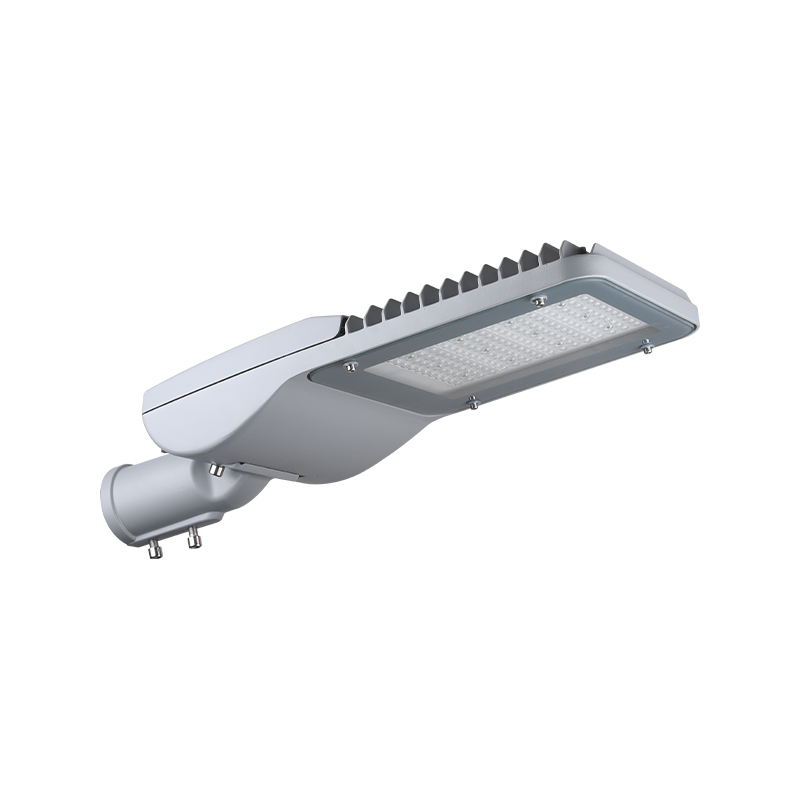
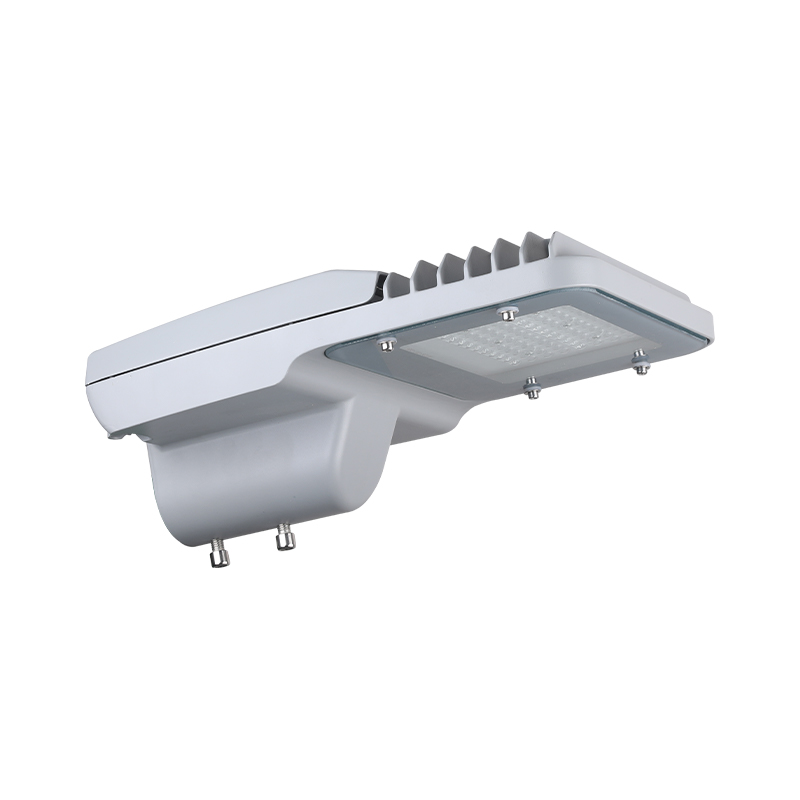
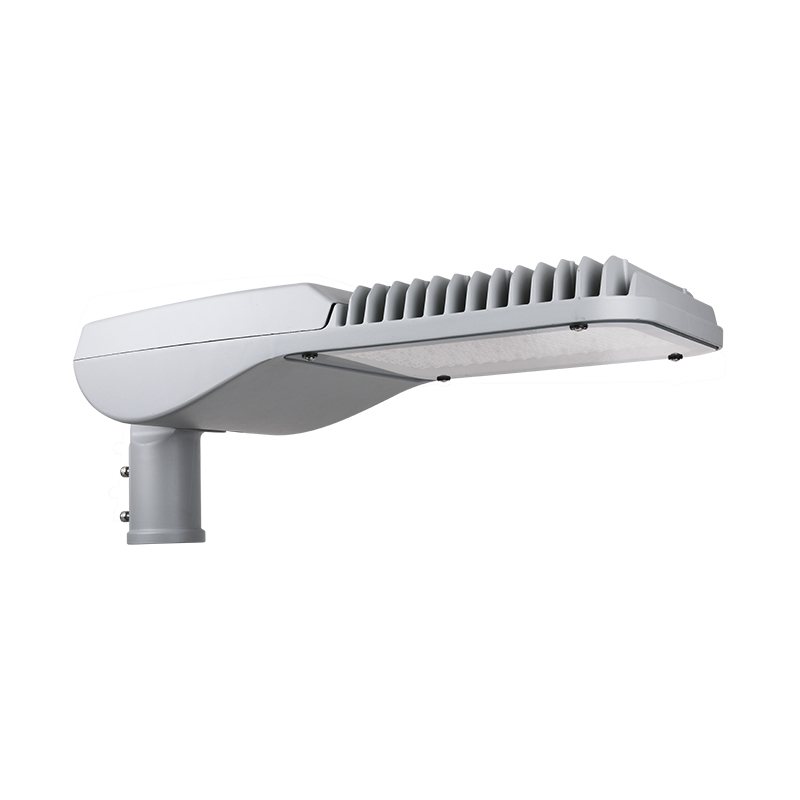
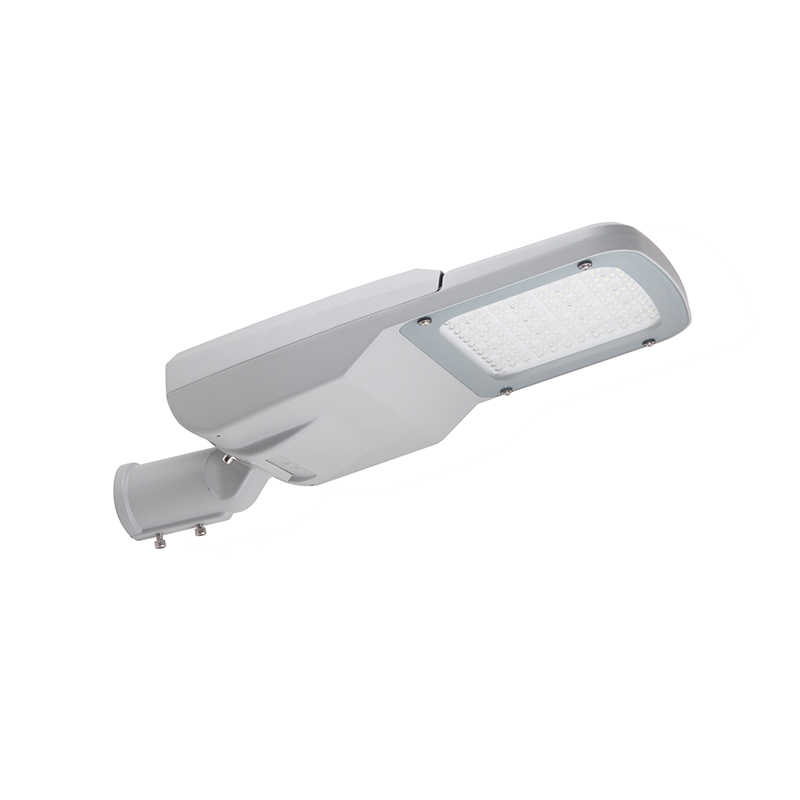









Urban Lights vs. Street Lights: What are the key functional differences?
Introduction
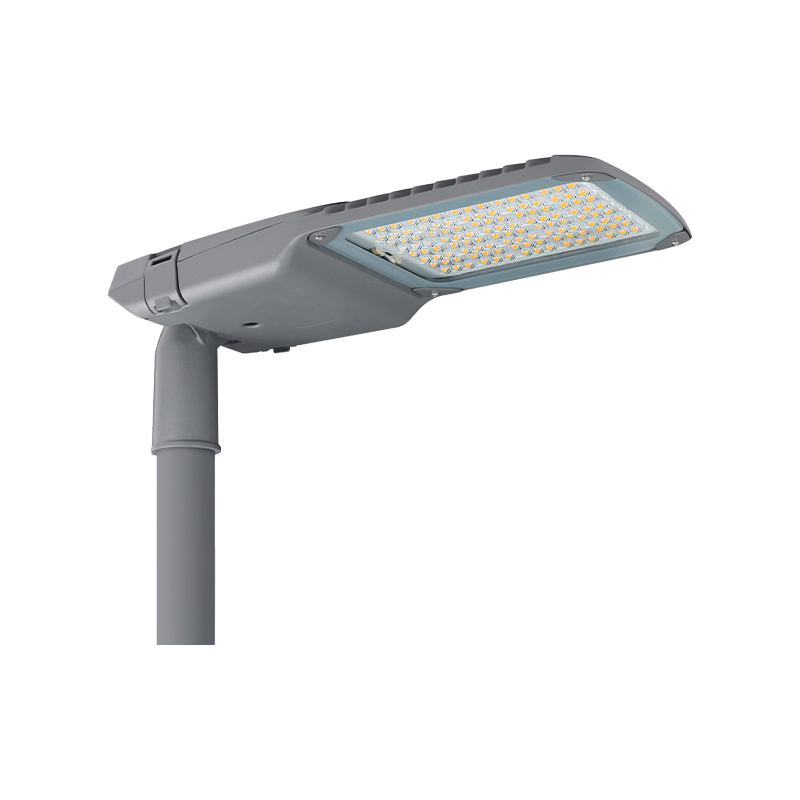
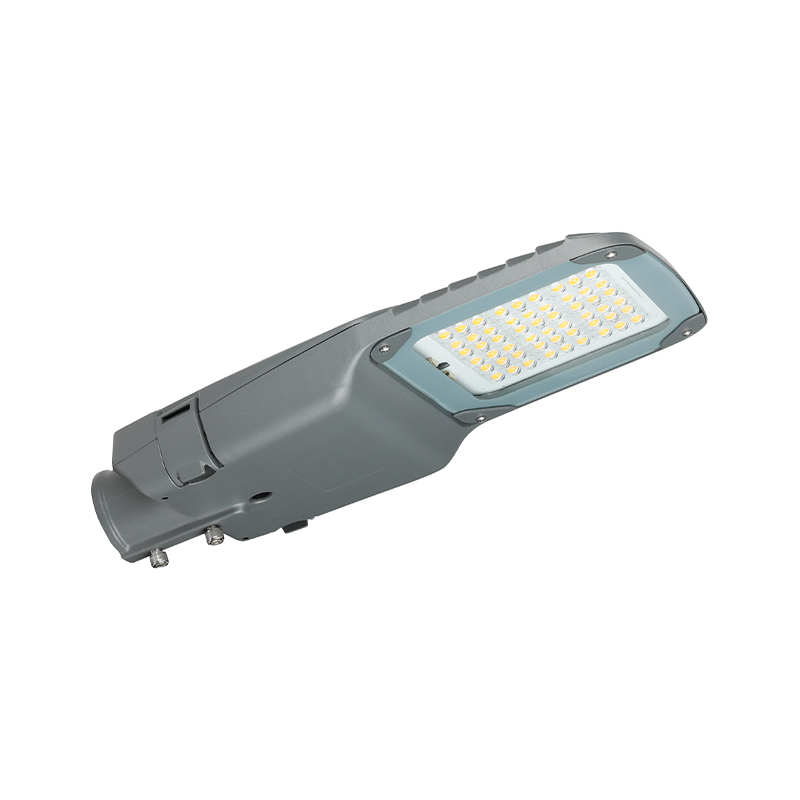
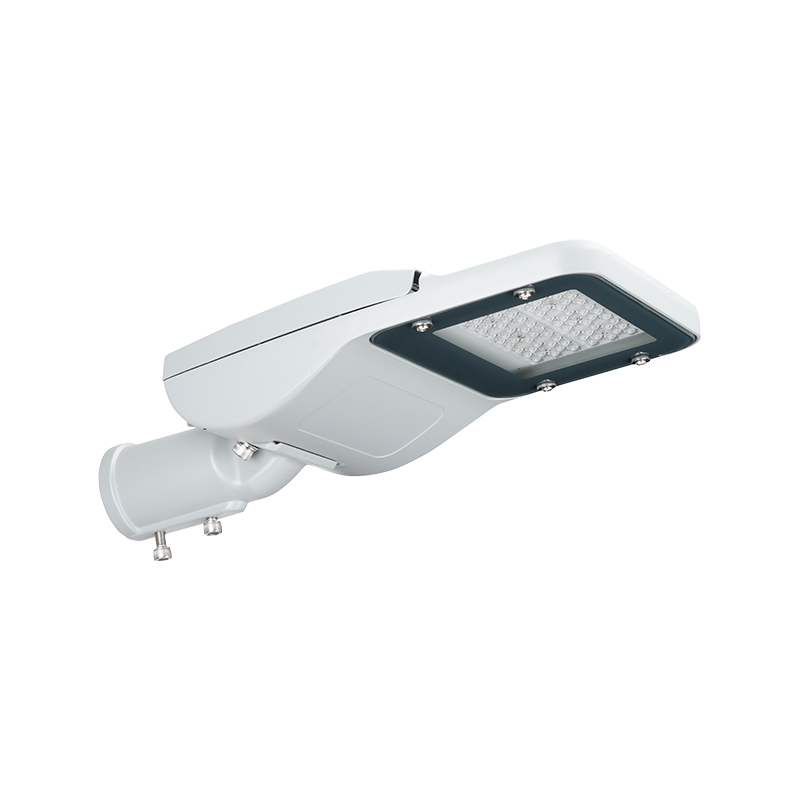
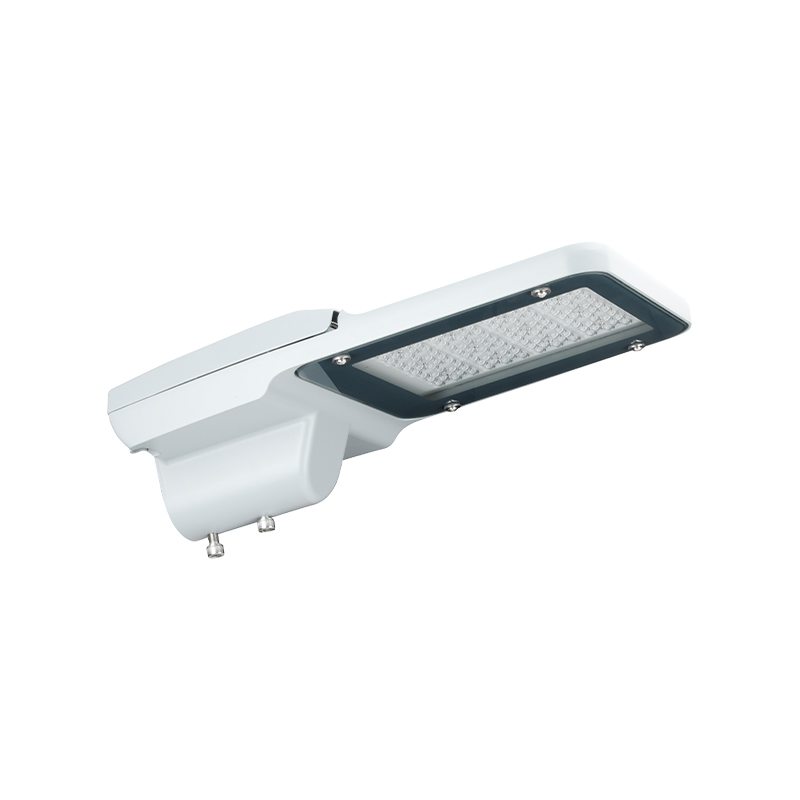
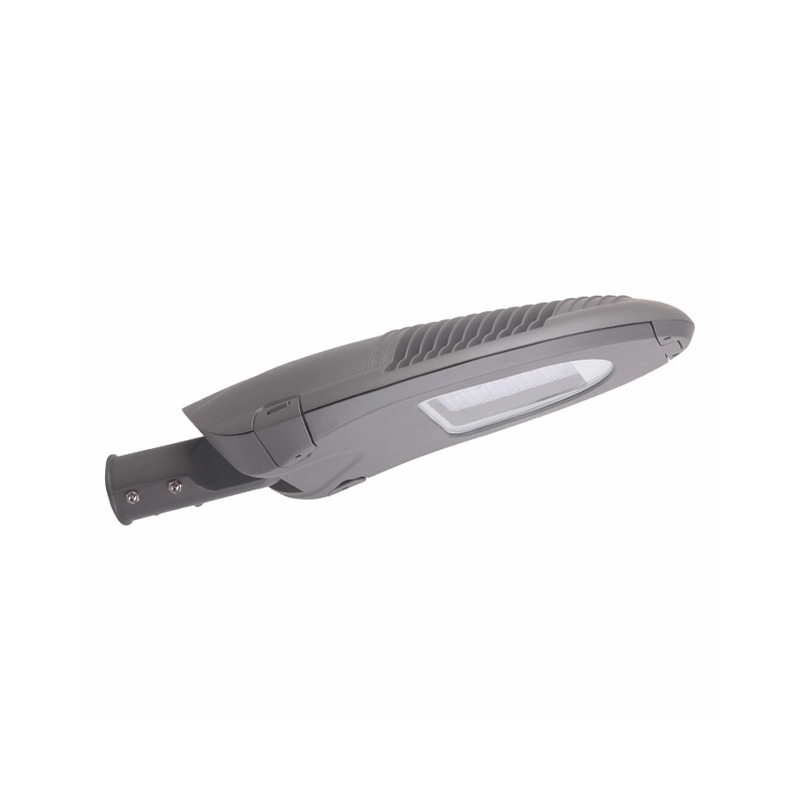
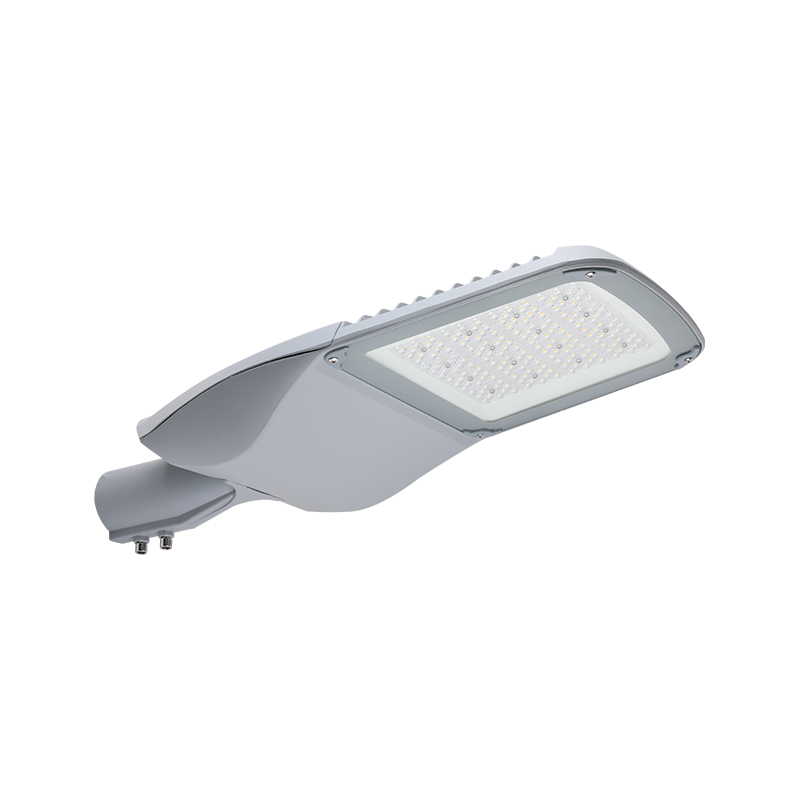
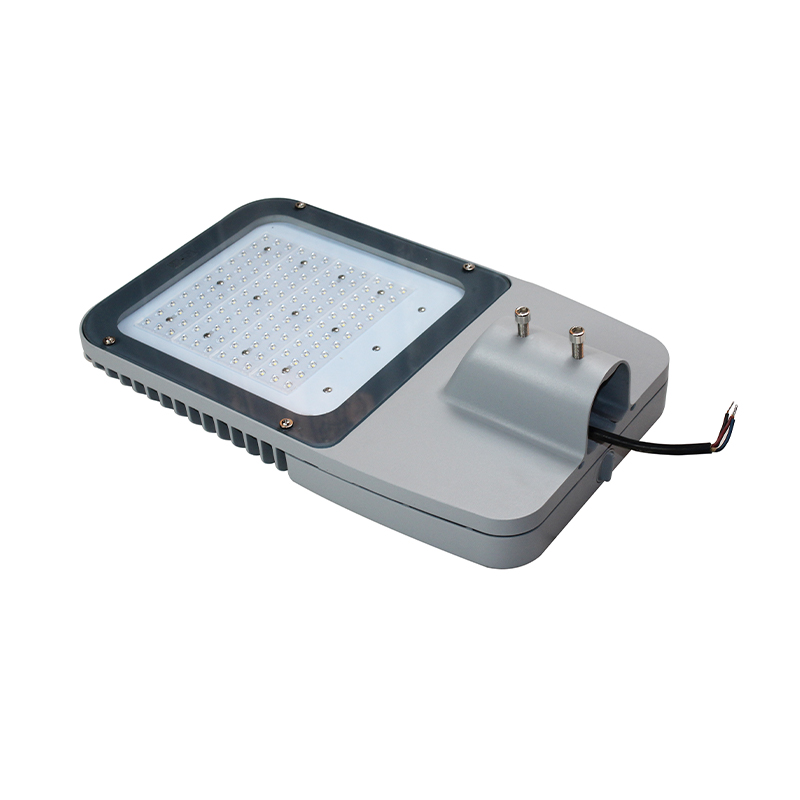
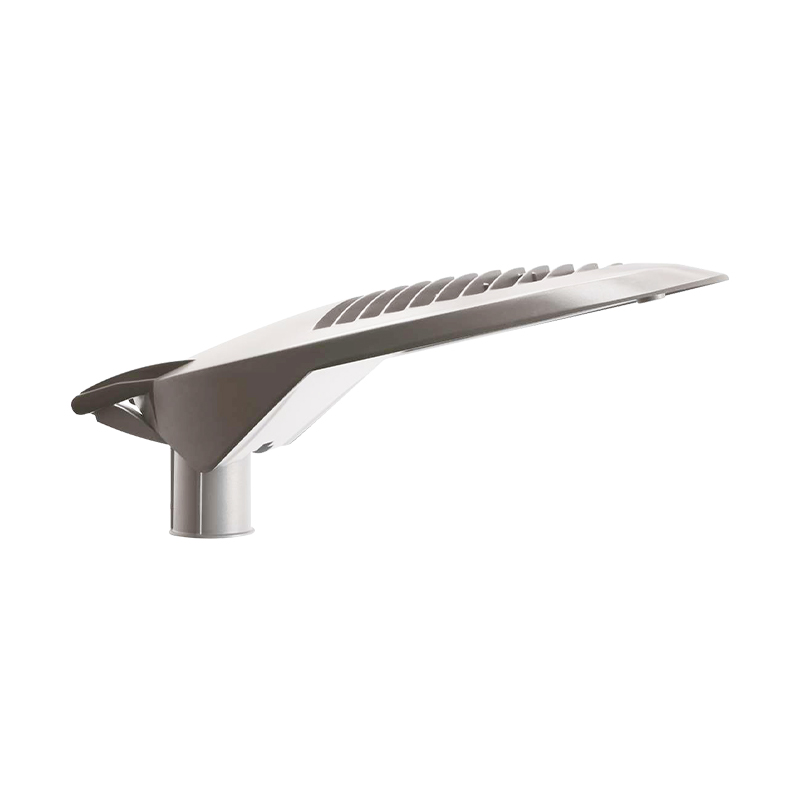
Urban lighting plays a crucial role in modern city planning, not only enhancing visibility and safety but also contributing to energy efficiency and aesthetic appeal. Among various urban lighting solutions, LED urban light has emerged as a leading technology, combining advanced illumination with intelligent control systems. Unlike traditional street lights, led urban light systems are designed to serve multiple functional and aesthetic purposes, ranging from roadway illumination to architectural highlighting, pedestrian safety, and environmental sustainability. Understanding the fundamental differences between urban lights and street lights is essential for city planners, lighting engineers, and municipal authorities who aim to optimize urban infrastructure.
Defining Urban Lights and Street Lights
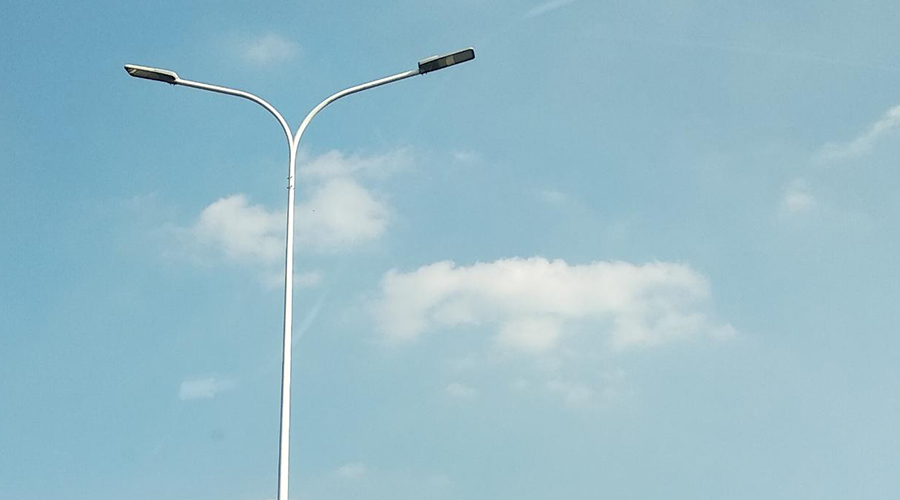
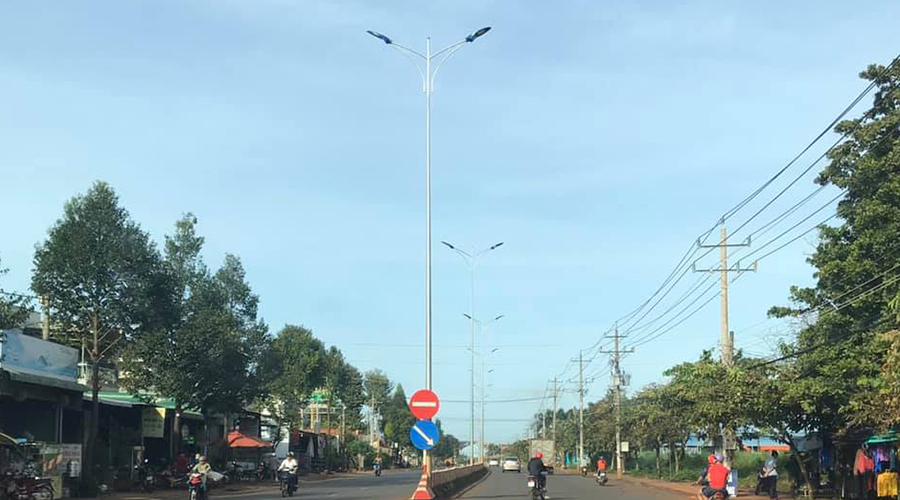
The term "urban lights" generally refers to lighting solutions that are installed within city environments to serve multiple functions beyond basic roadway illumination. These include public squares, parks, pedestrian pathways, and architectural façades. In contrast, street lights are traditionally designed to illuminate streets and roadways, primarily focusing on vehicular visibility and traffic safety. Led urban light solutions often incorporate higher levels of versatility, allowing for smart control integration, energy monitoring, and adaptive lighting based on real-time conditions.
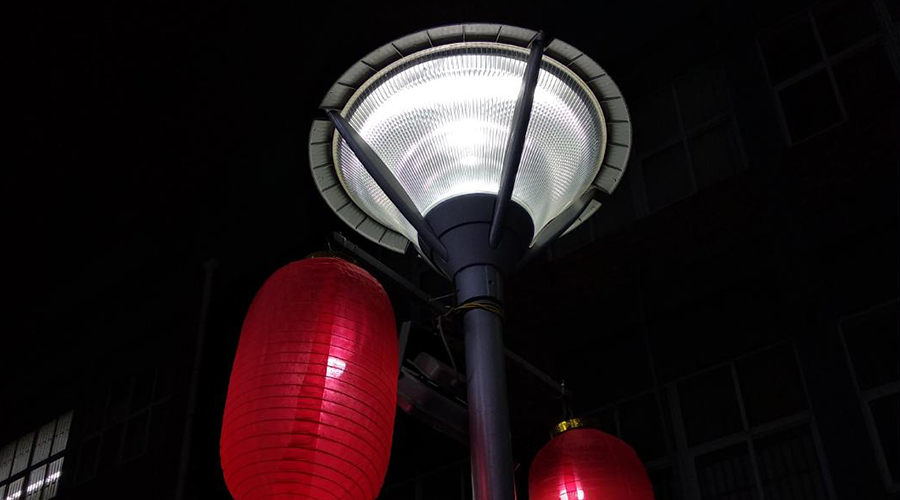
For instance, while street lights are often standardized in height, lumen output, and spacing, urban lights offer tailored beam angles, adjustable color temperatures, and enhanced optical design to suit diverse urban settings. Led urban light units can also provide accent lighting, creating a visually appealing environment while maintaining functionality. This dual-purpose design differentiates urban lights from conventional street lighting, highlighting the importance of choosing appropriate lighting systems for different city zones.
Energy Efficiency and Sustainability
One of the most significant functional differences between urban lights and street lights is energy efficiency. Traditional street lights often use older technologies such as high-pressure sodium or metal halide lamps, which consume higher energy and require frequent maintenance. In contrast, led urban light systems are built to optimize energy consumption through the use of high-efficiency LED chips, precision optics, and intelligent controls.
For example, led urban light products typically provide luminous efficacy ranging from 120lm/W to 180lm/W, significantly reducing energy consumption while maintaining required illumination levels. By incorporating smart controls such as DALI, Zigbee, and motion sensors, urban lighting systems can dynamically adjust brightness based on traffic, pedestrian flow, and environmental conditions. This not only reduces energy waste but also extends the lifespan of the lighting units, minimizing maintenance costs.
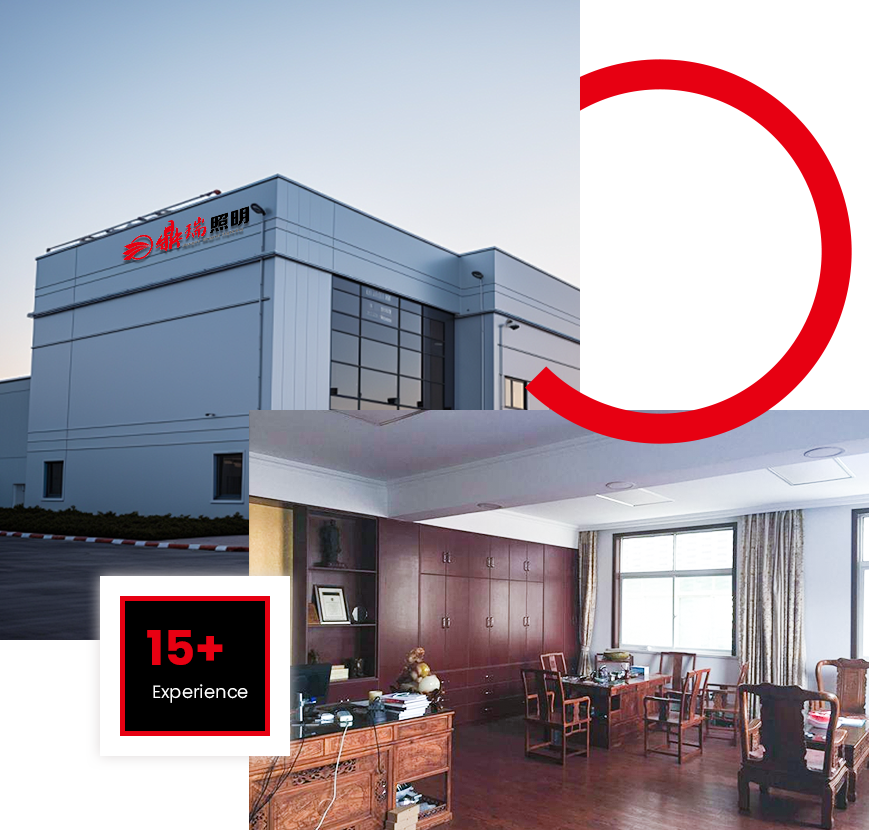
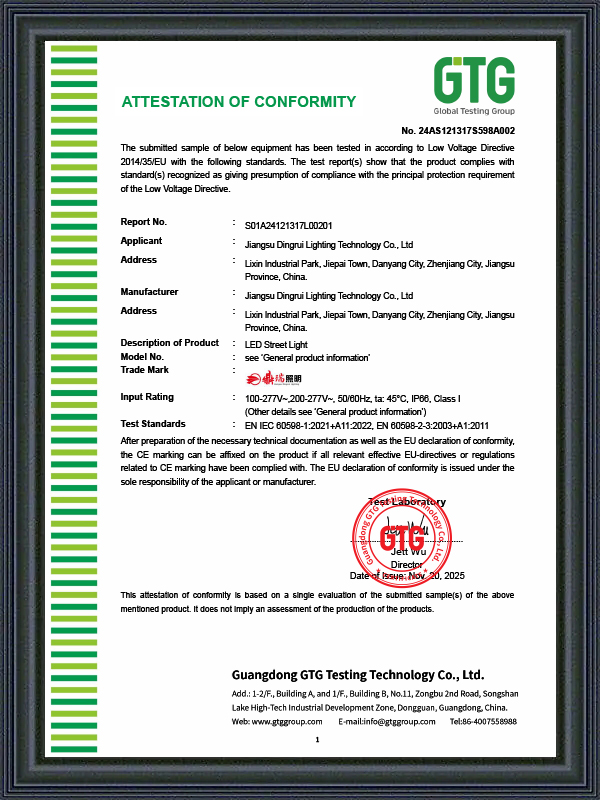
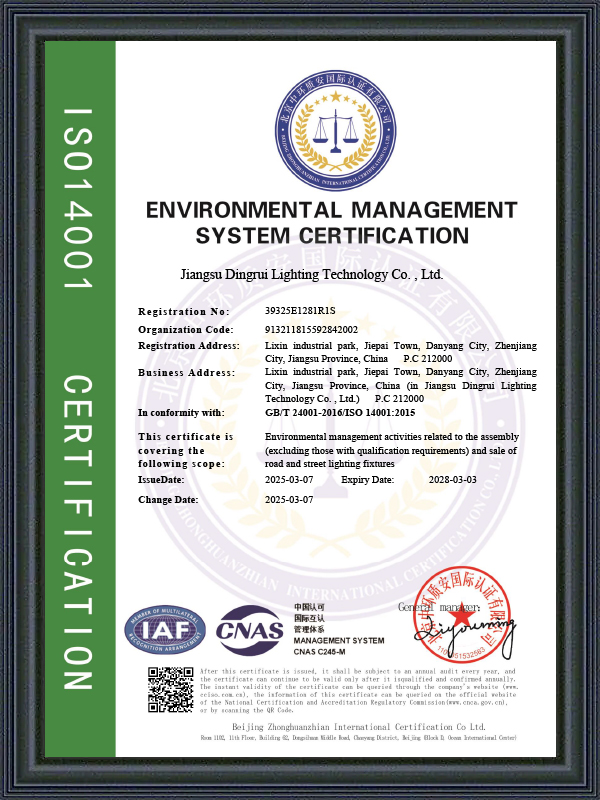
Jiangsu Dingrui Lighting Technology Co., Ltd. leverages decades of expertise in advanced lighting solutions to deliver led urban light systems that prioritize sustainability. Through stringent material selection, including high-grade aluminum heat sinks, premium LED chips, and durable optical lenses, the company ensures maximum efficiency, longevity, and environmental responsibility in every lighting installation.
Design and Optical Performance
The design philosophy of urban lights emphasizes flexibility and precision. Unlike traditional street lights that primarily focus on uniform roadway coverage, led urban light units incorporate customizable optical designs to meet the unique requirements of various urban environments. This includes tailored beam angles, lens options, and distribution patterns to ensure optimal illumination of targeted areas without causing light pollution.
Architectural and decorative aspects are also integral to urban lights, as they contribute to the aesthetic character of public spaces. Modern led urban light systems provide adjustable color temperatures ranging from 2700K to 6500K with high color rendering index (CRI>70), enabling accurate color perception in public and commercial spaces. This combination of functional and aesthetic lighting is a key differentiator from conventional street lights, which generally lack such adaptability and precision.
Durability and Environmental Adaptability
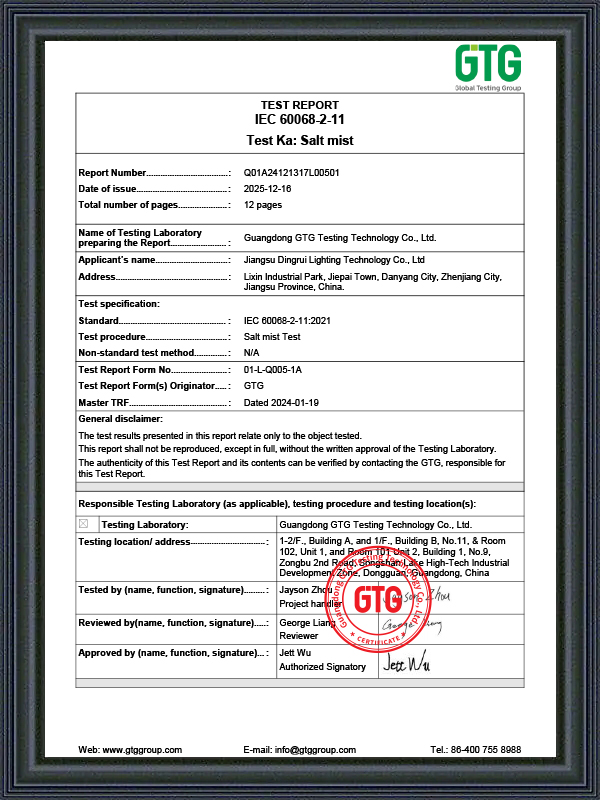
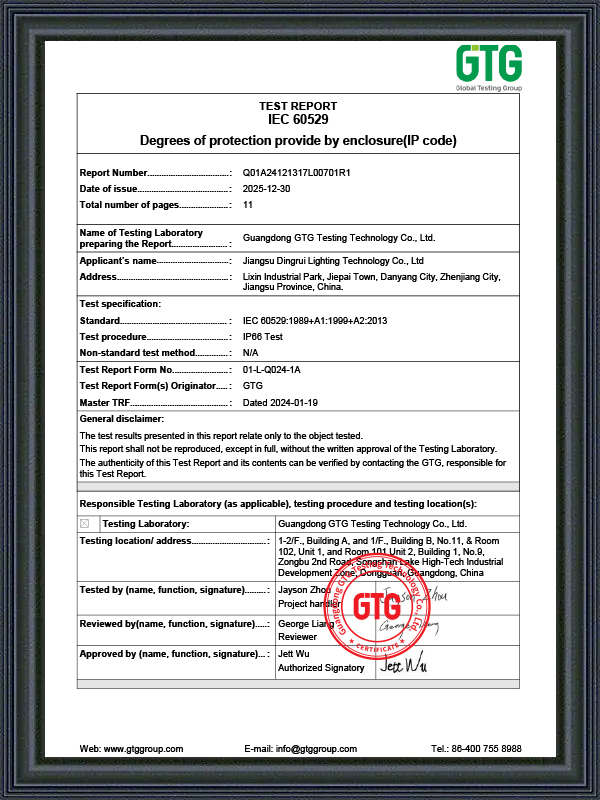
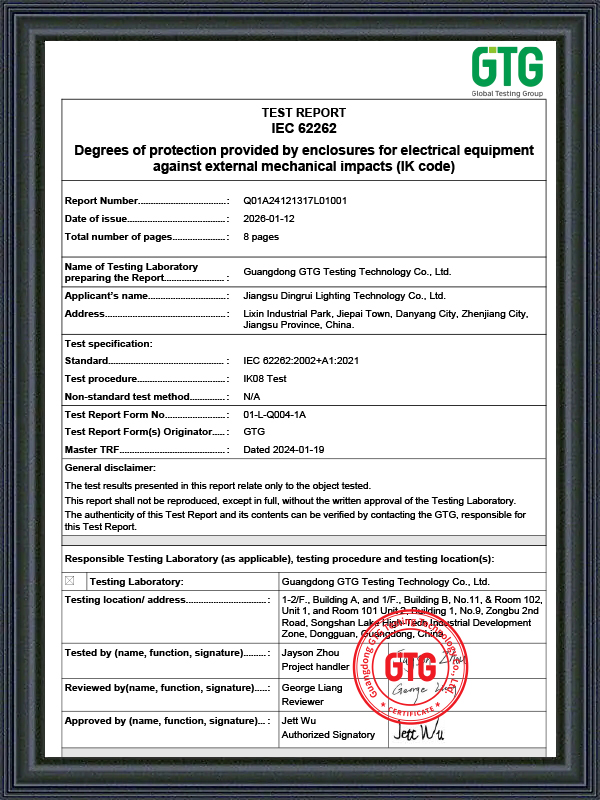
Durability is a critical factor when evaluating the functional differences between urban lights and street lights. Street lights are generally designed for basic exposure to outdoor environments, often resulting in limited performance under extreme conditions. In contrast, led urban light units are engineered to withstand diverse environmental challenges, including high humidity, temperature fluctuations, and heavy rainfall.
Companies like Jiangsu Dingrui Lighting Technology Co., Ltd. conduct comprehensive testing on led urban light units, including thermal stability assessments, waterproofing simulations, and lifespan evaluations. These procedures ensure consistent performance and reliability, even in harsh urban climates. Additionally, corrosion-resistant coatings and robust housing designs further extend operational life, reducing long-term maintenance requirements and supporting sustainable urban infrastructure development.
Smart Control and Connectivity
Another key distinction is the integration of smart controls and connectivity features. Traditional street lights often operate independently or with minimal centralized management. In contrast, urban lighting systems are increasingly equipped with intelligent control technologies, enabling remote monitoring, automated scheduling, and adaptive brightness adjustments. Led urban light products can integrate with city-wide networks to optimize energy consumption, enhance safety, and respond dynamically to environmental and human activity data.
For instance, urban light systems can dim automatically during periods of low traffic, adjust color temperatures for evening events, or synchronize with emergency response systems. These capabilities transform urban lights from static sources of illumination into intelligent components of a smart city ecosystem. Jiangsu Dingrui Lighting Technology Co., Ltd. applies cutting-edge R&D and precision assembly to ensure that led urban light units maintain seamless integration with smart control protocols, delivering consistent performance across applications.
Maintenance and Operational Costs
The operational costs of lighting systems are a crucial consideration for municipal budgets. Conventional street lights generally require frequent lamp replacements, high power consumption, and significant labor for maintenance. In contrast, led urban light solutions offer extended lifespans due to durable components, efficient thermal management, and intelligent monitoring systems. Reduced maintenance frequency and energy savings contribute to lower total cost of ownership over the lifespan of the lighting installation.
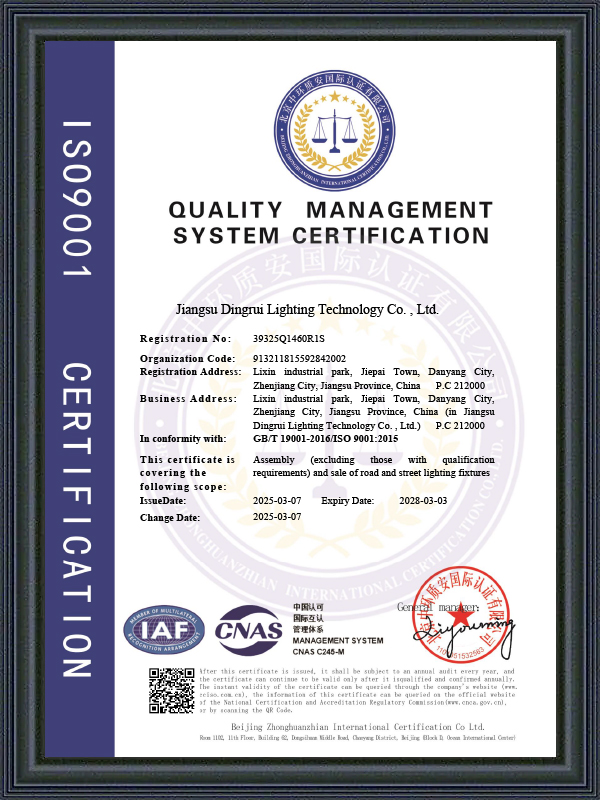
Jiangsu Dingrui Lighting Technology Co., Ltd. emphasizes the importance of automated production lines and precision assembly processes, ensuring that every led urban light unit meets stringent quality standards. Optical performance tests, waterproofing assessments, and thermal simulations minimize failures, guaranteeing reliable operation and cost efficiency. These characteristics make urban lighting solutions a practical and sustainable investment for modern cities.
Comparison Table of Functional Differences
| Feature | Urban Lights | Street Lights |
|---|---|---|
| Primary Function | Multi-purpose illumination, including aesthetics and safety | Roadway illumination and traffic safety |
| Energy Efficiency | High efficiency with smart control integration | Moderate efficiency, often without adaptive controls |
| Optical Design | Customizable beam angles and lens options | Standardized light distribution patterns |
| Durability | High resistance to environmental challenges | Basic durability, may degrade under extreme conditions |
| Maintenance | Low frequency due to long lifespan and monitoring | Higher frequency due to lamp replacements and limited monitoring |
| Smart Features | Remote monitoring, adaptive brightness, IoT integration | Limited or no smart functionality |
Conclusion
The differences between urban lights and street lights are significant, encompassing design, functionality, energy efficiency, durability, and smart control integration. Led urban light solutions offer advanced lighting experiences that combine illumination, aesthetics, and operational efficiency. They provide versatile, energy-saving, and intelligent options that go beyond conventional roadway lighting, making them essential components of modern smart cities.
Jiangsu Dingrui Lighting Technology Co., Ltd. exemplifies the integration of these features, delivering led urban light systems that prioritize performance, longevity, and sustainability. With decades of expertise and a commitment to precision, the company ensures that urban environments are illuminated safely, efficiently, and aesthetically, supporting the evolving demands of public spaces worldwide.
Frequently Asked Questions (FAQ)
Q1: What is the main difference between urban lights and street lights?
The primary difference lies in functionality. Urban lights serve multiple purposes, including safety, aesthetics, and smart control integration, while street lights mainly focus on roadway illumination and traffic safety.
Q2: How does led urban light improve energy efficiency compared to traditional street lights?
Led urban light systems use high-efficiency LED chips, intelligent control protocols, and adaptive brightness management, reducing energy consumption and extending operational life compared to conventional lighting technologies.
Q3: Can urban lights be integrated with smart city technologies?
Yes. Urban lights can connect with IoT networks, allowing remote monitoring, adaptive lighting schedules, and integration with emergency or environmental response systems, enhancing urban infrastructure management.
Q4: What maintenance advantages do led urban light systems provide?
They require less frequent maintenance due to durable components, automated quality testing, and intelligent monitoring, resulting in lower operational costs and reduced downtime.
Q5: How does Jiangsu Dingrui Lighting Technology Co., Ltd. ensure product reliability?
The company uses strict material selection, automated production, and comprehensive testing for thermal stability, optical performance, and waterproofing to ensure every led urban light unit performs reliably under diverse urban conditions.


 Add.: Jiepai Town, Danyang City, Jiangsu Province, China.
 Tel: +86-0510-86219899
 Phone: +86-18601236320
 Email: