 +86-0510-86219899

 English
 English
 русский
 Español

Content
- 1 What Does 10kV Surge Protection Mean for an LED Street Light?
- 2 Where 10kV Surge Protected LED Street Lights Are Actually Required
- 3 6kV vs 10kV vs 20kV: How to Choose
- 4 How to Verify a Genuine 10kV Surge Protected LED Street Light
- 5 Procurement Considerations for 10kV Surge Protected LED Street Lights
- 6 Frequently Asked Questions
- 6.1 What is the difference between 6kV and 10kV surge protection in an LED street light?
- 6.2 Does a 10kV surge protected LED street light still need an external SPD at the distribution board?
- 6.3 How can I confirm that a delivered lot is genuinely 10kV surge protected?
- 6.4 Can 10kV surge protection prevent all lightning damage to LED street lights?
A municipal road widening project on a Southeast Asian coastline lost 38 percent of its LED street light drivers across two thunderstorm seasons. The original specification permitted 6kV surge protection, but the corridor sits in a zone with roughly 30 lightning days per year and exposed overhead supply lines. After the second round of driver replacements, the engineering team re-specified the luminaires as 10kV surge protected LED street light fixtures. Subsequent lightning seasons produced no surge-related driver failures. This article explains what the 10kV rating covers, which projects genuinely require it, and how to verify that a supplier delivers a real 10kV product rather than a datasheet line.
What Does 10kV Surge Protection Mean for an LED Street Light?
10kV surge protection is the rated withstand capability of the luminaire's integrated surge protective device (SPD), verified to clamp and dissipate incoming transient voltages up to 10kV without damage to the LED driver or the LED module. The number is a transient-voltage rating, not a measure of waterproofing or impact resistance.
Street lights sit at the end of long supply circuits that behave like antennas. A lightning strike on a medium-voltage line, even several hundred metres away, induces a voltage surge into the conductors. Grid switching, capacitor banks and nearby industrial loads create smaller but repeated surges. The SPD inside a 10kV surge protected LED street light diverts that energy to earth before sensitive components in the driver reach their breakdown threshold.
Core definition A 10kV surge protected LED street light is a luminaire fitted with an SPD rated for 10kV transient voltage withstand, tested to ANSI C136.2 or IEC 61643-11, so the driver and LED module continue operating after a surge event at that magnitude.
Protection levels are commonly grouped into three classes:
- 6kV: basic protection for dense urban grids with low lightning exposure
- 10kV: reinforced protection for roadways, highways and exposed installations
- 20kV: heavy-duty protection for mountainous terrain and very high flash-density zones
Where 10kV Surge Protected LED Street Lights Are Actually Required
Any road lighting project in a region with more than eight flashes per square kilometre per year, on an unshielded supply network, or on poles with overhead conductors should default to 10kV surge protection. A lower rating leaves no margin between ordinary grid surges and the catastrophic event.
Global lightning climatology maps place Southeast Asia, Central America, the Gulf of Guinea and parts of southern India at 10 to 20 flashes per square kilometre per year. Northern Europe often records fewer than two. That difference translates directly into surge stress on luminaires. In a high-density zone, a 6kV SPD absorbs a single moderate event, but repeated surges deposit more thermal energy than the varistor can dissipate, and the driver fails on the next strike.
Utility maintenance records in several countries attribute roughly 30 to 60 percent of premature LED street light failures to surge and overvoltage events in exposed locations. For a 200-luminaire corridor, that range means dozens of truck rolls, traffic control setups and driver replacements over the asset lifetime.
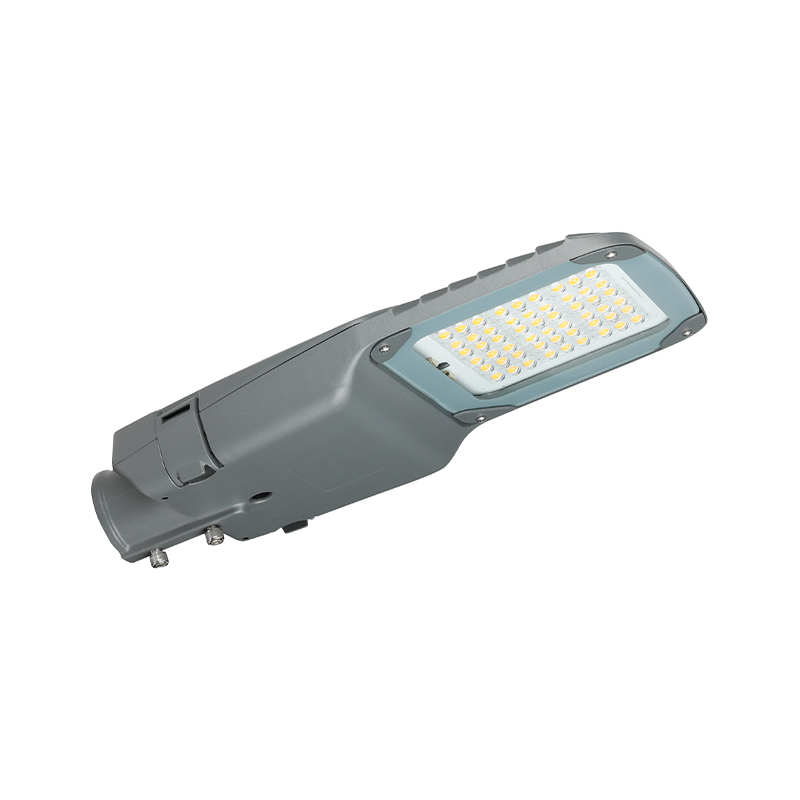
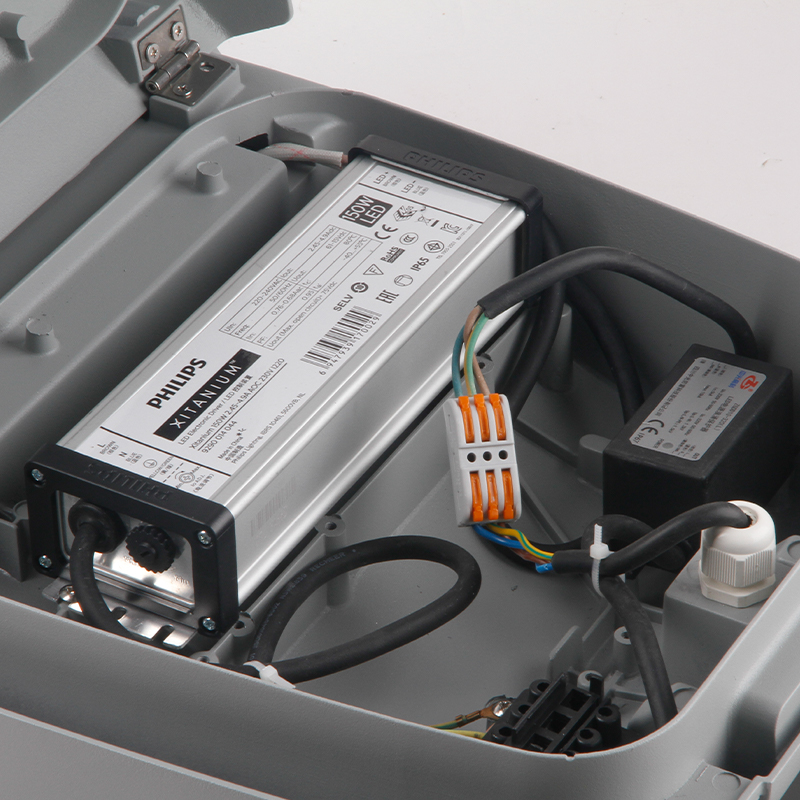 ATLANTIC Series Modular LED Street Light with Surge-Proof DesignThis high-power street light addresses surge-related failures highlighted in the preceding statistics, featuring modular construction, tool-free maintenance, and robust thermal management for reliable performance.View Product →
30-60% of premature LED street light driver failures in exposed installations are linked to surge and overvoltage events.
The chart below summarises how annual lightning flash density maps to surge protection recommendations:
Surge protection recommendation by flash density
6kV vs 10kV vs 20kV: How to Choose
Choose 6kV for dense urban grids with underground supply and low flash density, make 10kV the default for most roadway and highway projects, and reserve 20kV for sites where flash density exceeds roughly 15 flashes per square kilometre per year or where the supply line runs entirely overhead through open terrain.
| Protection level | Typical test wave | Flash density fit | Best-fit scenarios |
| 6kV | 6kV / 3kA combination wave | Below 2 flashes/km2/yr | Dense urban grids, shielded underground circuits |
| 10kV | 10kV / 5kA or 10kV / 10kA | 2-15 flashes/km2/yr | Rural roads, expressways, coastal corridors, exposed poles |
| 20kV | 20kV / 10kA class | Above 15 flashes/km2/yr | Mountain passes, high lightning zones, tall structures |
The cost difference between a 6kV SPD and a 10kV SPD inside a luminaire is typically USD 5 to 15 per unit at factory level. That amount is small next to a single field service visit, which includes the truck roll, technician hour and traffic control. Specifying 10kV surge protection in the original tender is the lowest-cost risk mitigation a project team can make.
Tender note: Write the surge rating into the technical specification as a mandatory performance requirement, not an optional accessory. Otherwise a supplier can qualify with a 6kV unit and leave the exposure risk with the owner.
How to Verify a Genuine 10kV Surge Protected LED Street Light
Verification requires the SPD test report, the driver's transient rating and the integrated luminaire test certificate, not a single claim on a datasheet. A luminaire is only as surge-resistant as its weakest link, and the driver is usually that link.
- Request the SPD test report and confirm it covers IEC 61643-11 or ANSI C136.2 at the 10kV level.
- Check the driver datasheet: many constant-current LED drivers carry only 6kV internal surge ratings.
- Confirm the SPD includes a thermal disconnector so it fails safely after an extreme event.
- Request the integrated surge test report for the complete luminaire, not just the SPD component.
- Check Ingress Protection and impact ratings for coastal or vandalism-prone sites: IP66 with IK09 or IK10 is a common reference point.
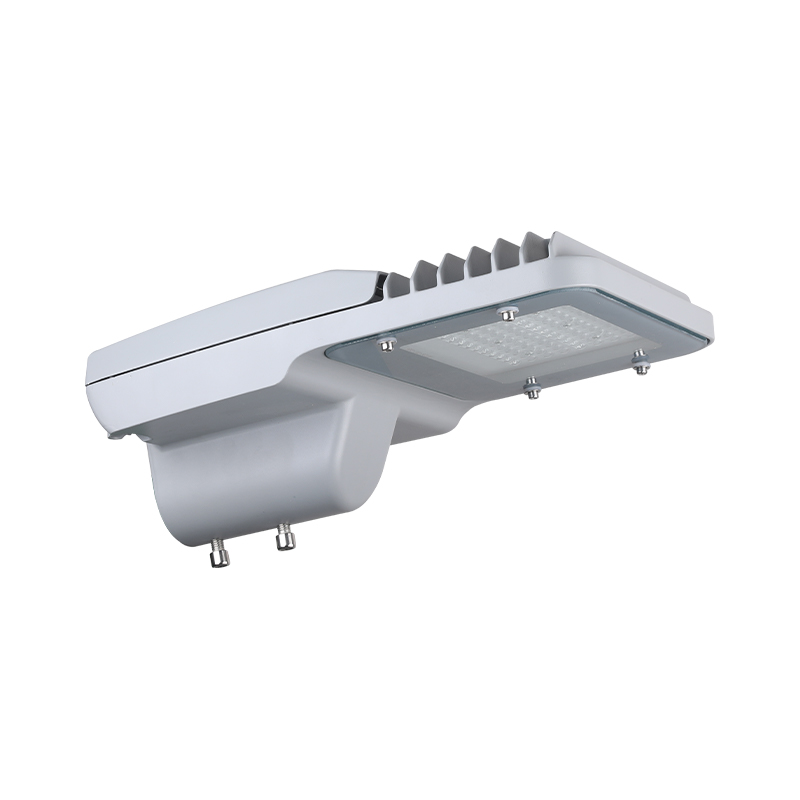
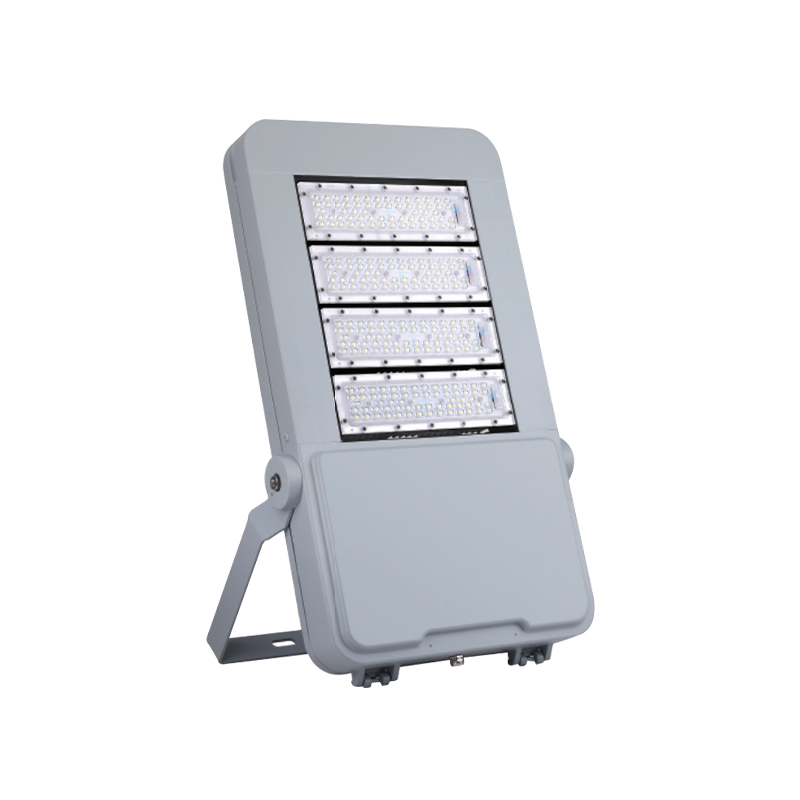 NOVA Series Modular LED Street Light with Replaceable Driver AccessWith tool-free gear compartment access and modular LED engines, this luminaire simplifies driver inspection and replacement, supporting verification of surge protection claims as described in the surrounding text.View Product →
Inspection rule: if the supplier cannot produce the IEC 61643-11 test report within 48 hours, treat the 10kV claim as unverified.
For high-exposure corridors, modular construction adds another layer of value: if the SPD or driver does fail after an extreme event, a modular luminaire allows the service crew to replace the affected module in minutes without discarding the whole housing. Optical efficiency also matters when comparing quotes, which is why the key efficiency metrics for urban LED street light applications should be reviewed alongside surge protection.
Procurement Considerations for 10kV Surge Protected LED Street Lights
Surge protection level must be written into the tender, verified in the offered datasheet and confirmed on the factory test certificate before shipment. The purchase conversation should be about lifecycle cost, not unit price.
Check physical compatibility before finalising the order: the mounting bracket must match the existing pole diameter, commonly 60 mm for roadway arms, and the luminaire's weight and windage must fall within the pole's structural allowance. Heavy-duty series with die-cast aluminium housings typically handle surge-dissipation heat better and offer longer service life in hot climates. Manufacturers such as Jiangsu Dingrui Lighting Technology Co., Ltd. publish the SPD rating, driver rating and test certificate for each street light series and should include them in the quotation package.
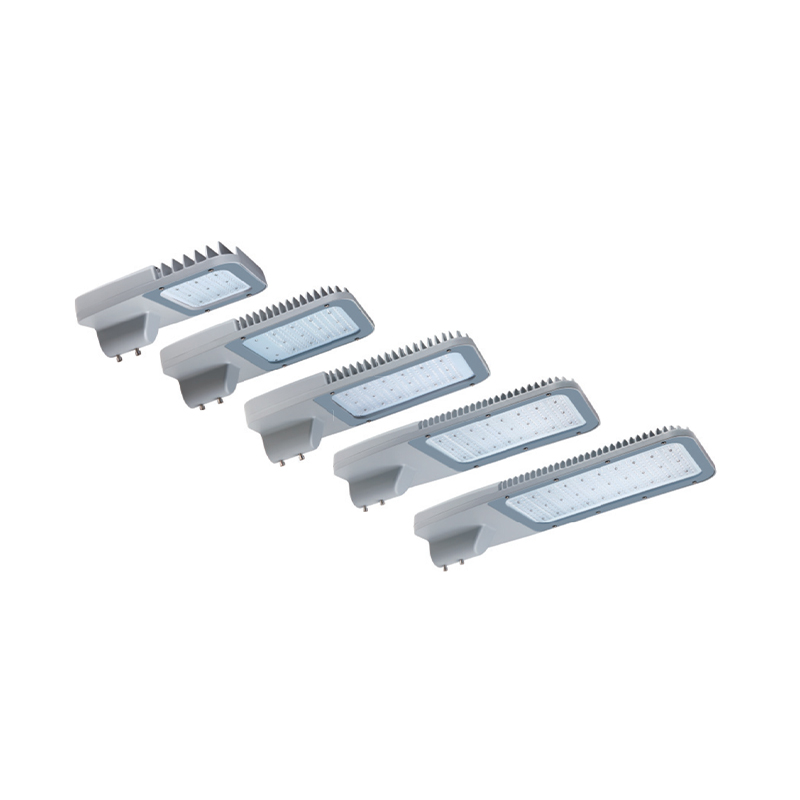 VENUS Series Heavy-Duty LED Street Light with D60mm BracketEngineered for pole compatibility and heat dissipation, this durable luminaire includes tool-free maintenance and asymmetric optics, with warranty details relevant to surge protection coverage as noted.View Product →
Warranty terms signal the supplier's confidence. A five-year luminaire warranty that explicitly covers the surge protection components is stronger than a two-year general warranty. Ask whether the warranty covers lightning-induced surge damage. Some suppliers exclude surge damage, which defeats the purpose of buying a surge protected product.
USD 120-250 per field service call means three prevented failures pay for the added cost of 10kV protection across a 100-unit project.
Frequently Asked Questions
What is the difference between 6kV and 10kV surge protection in an LED street light?
6kV protection handles the baseline combination wave in ANSI C136.2 and suits low-exposure grids. 10kV protection withstands a higher transient voltage and energy, typically 10kV/5kA or 10kV/10kA, making it suitable for exposed roadways and lightning-prone regions where induced surges are larger and more frequent.
Does a 10kV surge protected LED street light still need an external SPD at the distribution board?
Yes. The integrated SPD protects the driver and LED module, but the distribution cabinet, controllers and feeder lines also need protection. Coordinated two-level protection, an external SPD at the panel plus the 10kV rating inside the luminaire, is the recommended practice for large installations.
How can I confirm that a delivered lot is genuinely 10kV surge protected?
Request the IEC 61643-11 or ANSI C136.2 test report for the exact model, ask for the driver's transient-rating datasheet, and inspect the SPD module during incoming quality control. A credible manufacturer will provide these documents without resistance.
Can 10kV surge protection prevent all lightning damage to LED street lights?
No protection level can prevent damage from a direct strike to the pole or luminaire. A 10kV rating handles induced surges and grid transients, which represent the large majority of surge damage. Direct-strike protection requires external air terminals and a low-impedance earthing system.
Bottom line: specify 10kV surge protection for exposed roads in lightning-prone regions, verify it with test reports and the driver rating, and make sure the warranty covers surge damage.



 Add.: Jiepai Town, Danyang City, Jiangsu Province, China.
 Tel: +86-0510-86219899
 Phone: +86-18601236320
 Email: