 +86-0510-86219899

 English
 English
 русский
 Español

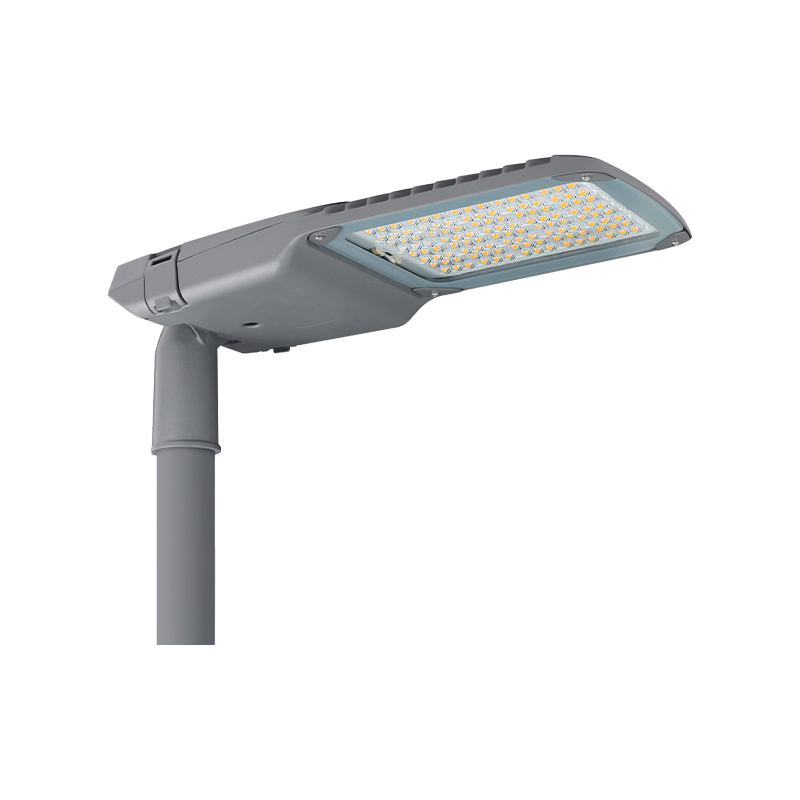
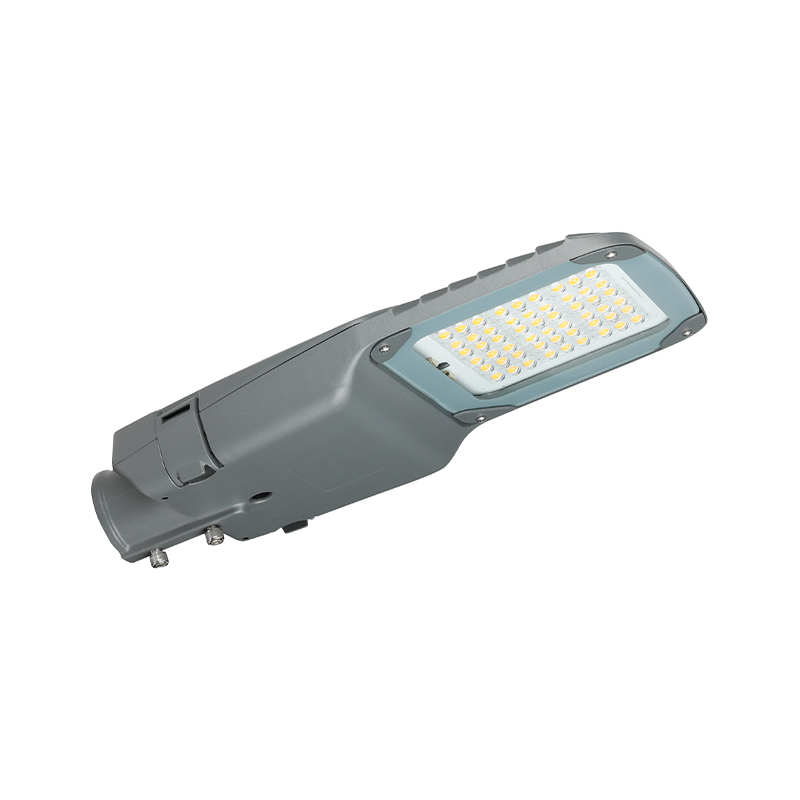
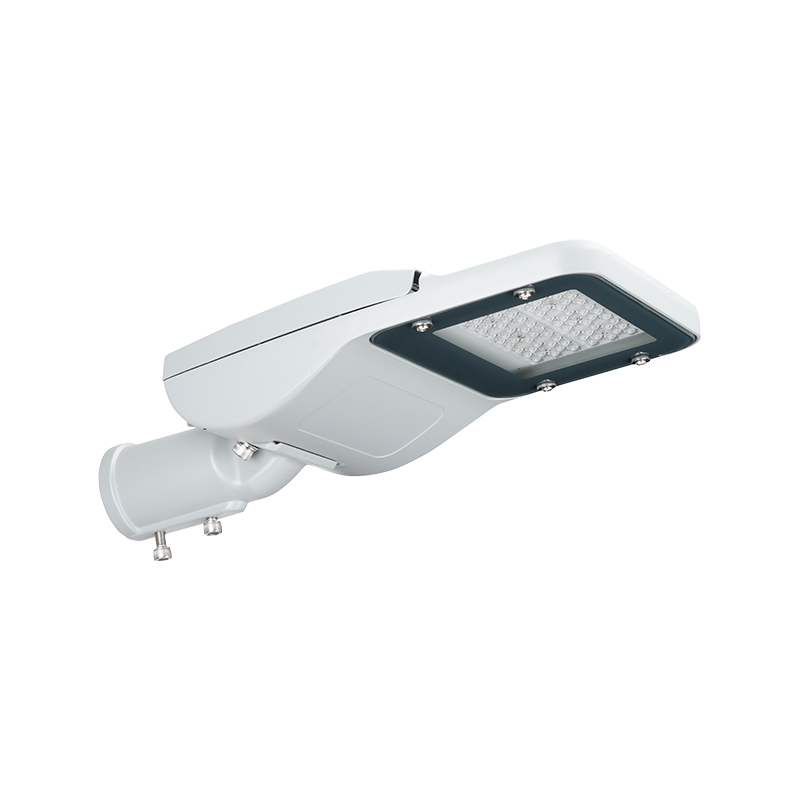
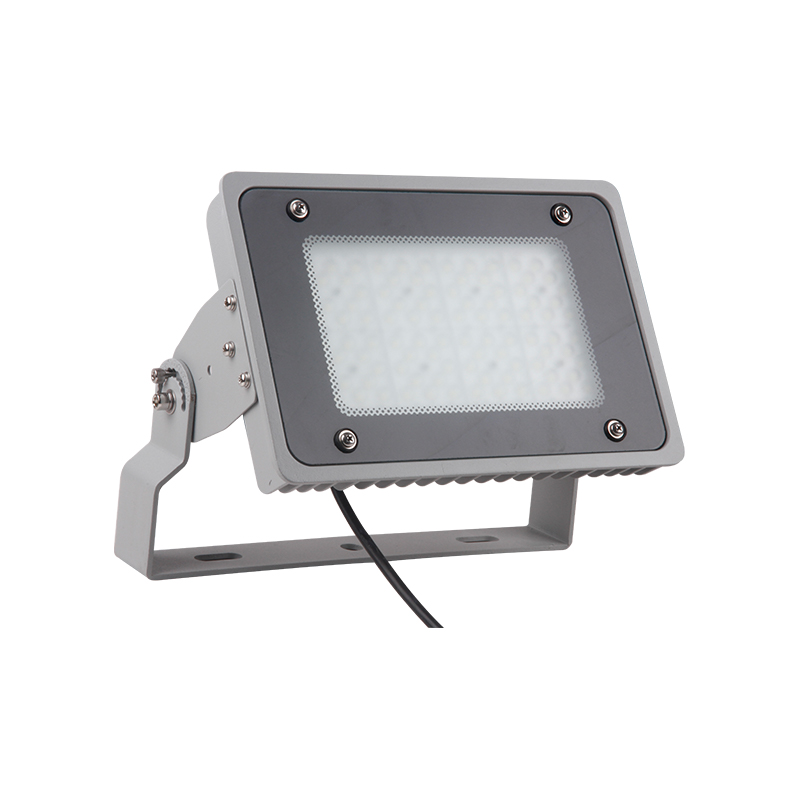
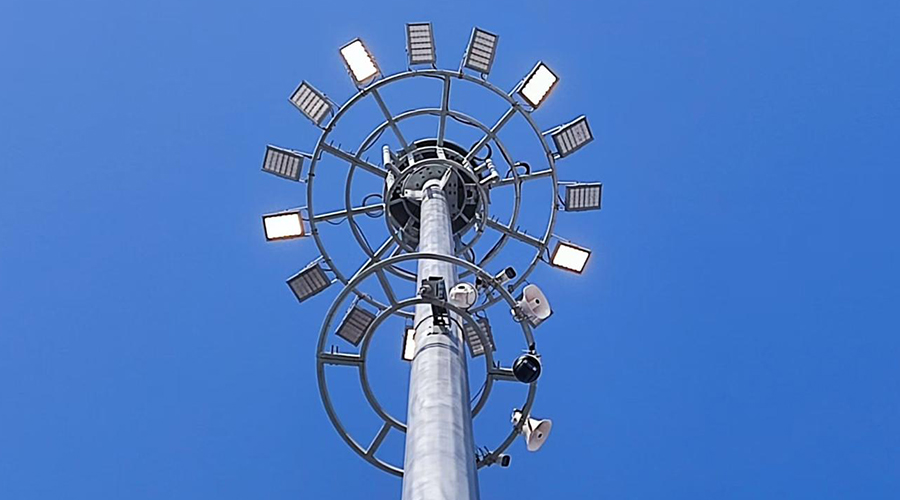

How Do Energy-Saving LED Flood Lights Achieve High Brightness with Lower Power Consumption?
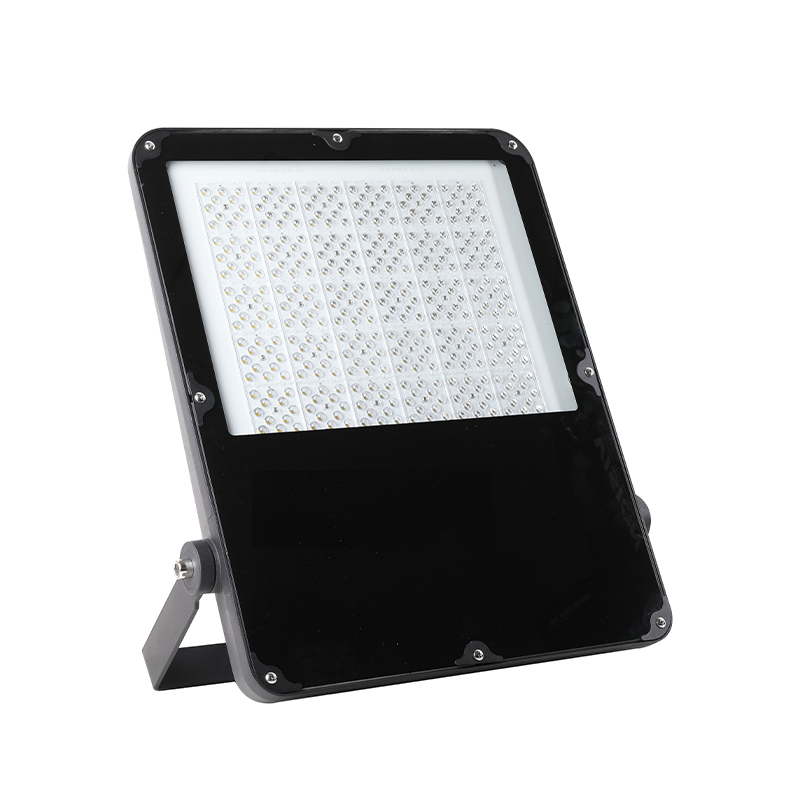
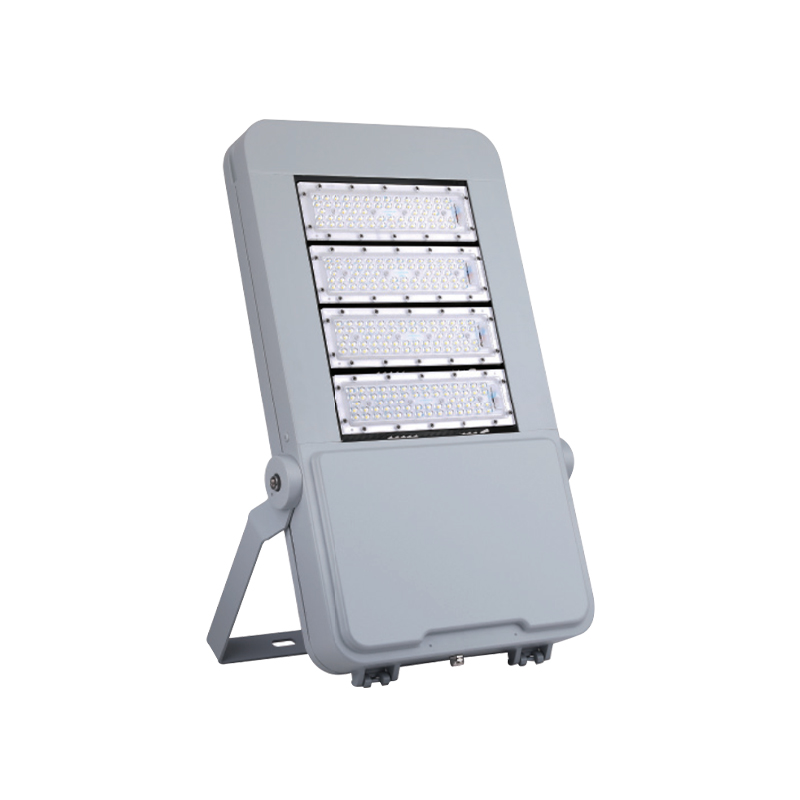
Energy efficiency in modern lighting is no longer achieved by simply reducing wattage; instead, it relies on advanced optical engineering, thermal management, semiconductor efficiency, and intelligent control systems. The development of the energy-saving LED flood light represents a shift from traditional high-power illumination to a more optimized system that maximizes luminous efficacy while minimizing electrical losses.
Core Principle: High Luminous Efficacy with Low Energy Loss
The key to achieving high brightness with lower power consumption lies in improving luminous efficacy—how much visible light is produced per unit of electrical power.
LED chips used in energy-saving LED flood light systems convert electricity into light through electroluminescence, which inherently produces less heat compared to traditional halogen or metal halide sources. This reduces wasted energy and ensures more input power is directly converted into usable illumination.
Modern designs further enhance efficiency through:
- Optimized semiconductor chip structures
- Reduced internal resistance
- Enhanced photon extraction technology
These improvements collectively increase brightness without increasing power input.
Precision Optical Design and Light Distribution Control
Another critical factor is optical efficiency. High-performance LED flood lighting systems use precision lenses and reflectors to control beam angles and reduce light scattering.
| Design Element | Function | Efficiency Benefit |
|---|---|---|
| Optical Lens System | Focuses light into targeted beam angles | Reduces light waste |
| Reflector Cavity | Redirects stray light | Improves uniformity |
| Anti-glare Coating | Minimizes visual discomfort | Enhances visual comfort |
| Beam Angle Optimization | Adjusts coverage range | Improves application adaptability |
Through these technologies, energy-saving LED flood light systems ensure that more light reaches the intended surface, improving perceived brightness without increasing power consumption.
Advanced Thermal Management for Stable Performance
Heat is one of the primary factors affecting LED efficiency. When temperature rises, luminous efficiency decreases and component lifespan shortens.
To solve this, modern industrial LED flood lighting uses:
- Die-cast aluminum heat sinks
- Thermal conductive substrates
- Passive convection cooling structures
Efficient heat dissipation ensures that LED chips operate within optimal temperature ranges, maintaining consistent brightness output over long durations. This is essential for outdoor flood lighting systems exposed to harsh environmental conditions.
Intelligent Control Systems and Energy Optimization
Smart lighting control is a major advancement in reducing unnecessary energy consumption.
Energy-saving LED flood light systems often integrate:
- Motion sensors
- Daylight harvesting sensors
- Dimming control systems
- Remote IoT-based management
These features allow lighting levels to adjust dynamically based on environmental conditions and usage requirements. As a result, energy is only consumed when and where it is needed.
This intelligent control approach is widely applied in smart city lighting, industrial complexes, and large-scale architectural illumination.
Material Selection and Structural Optimization
Material engineering also plays an essential role in improving performance and durability.
| Component | Common Material | Performance Advantage |
|---|---|---|
| Housing | Die-cast aluminum | High heat dissipation, corrosion resistance |
| Lens | Polycarbonate / tempered glass | High light transmission, impact resistance |
| Seal Ring | Silicone rubber | Waterproof and dustproof protection |
| Reflector | Aluminum or coated plastic | Improved reflectivity |
These materials ensure that energy-saving LED flood light systems maintain stability in outdoor and industrial environments while minimizing maintenance needs.
About DingRui
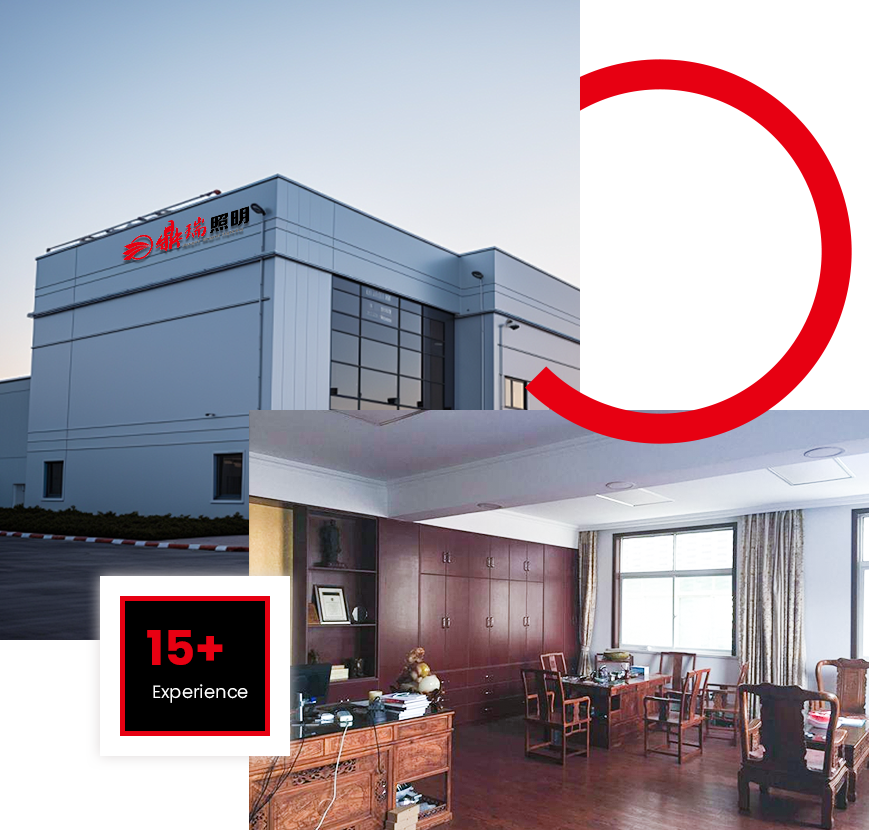
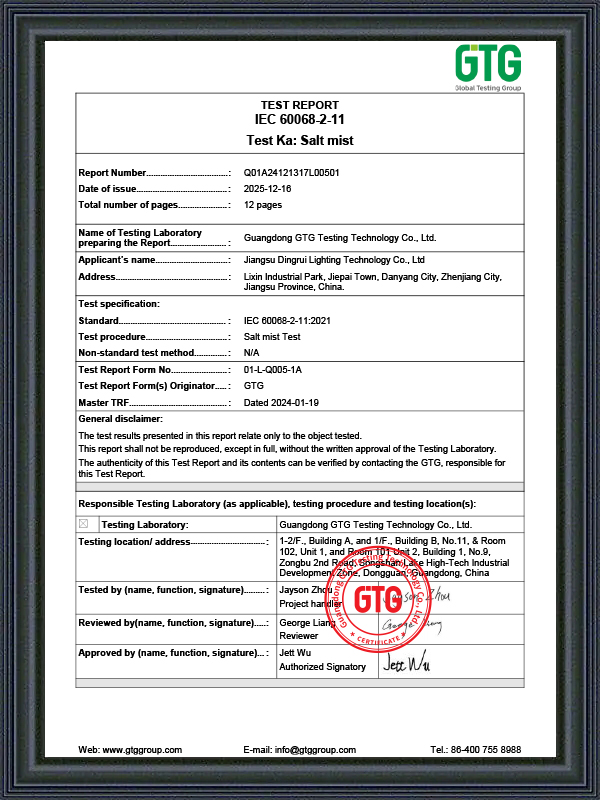
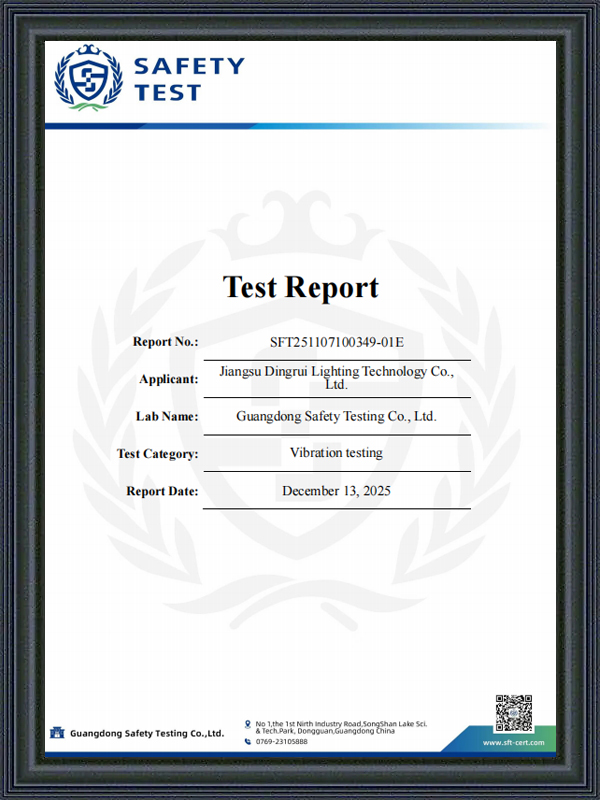
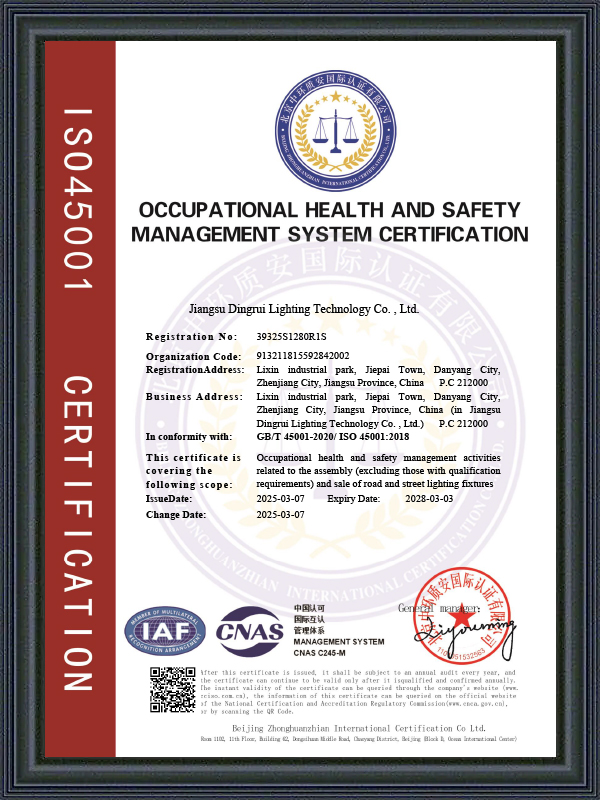
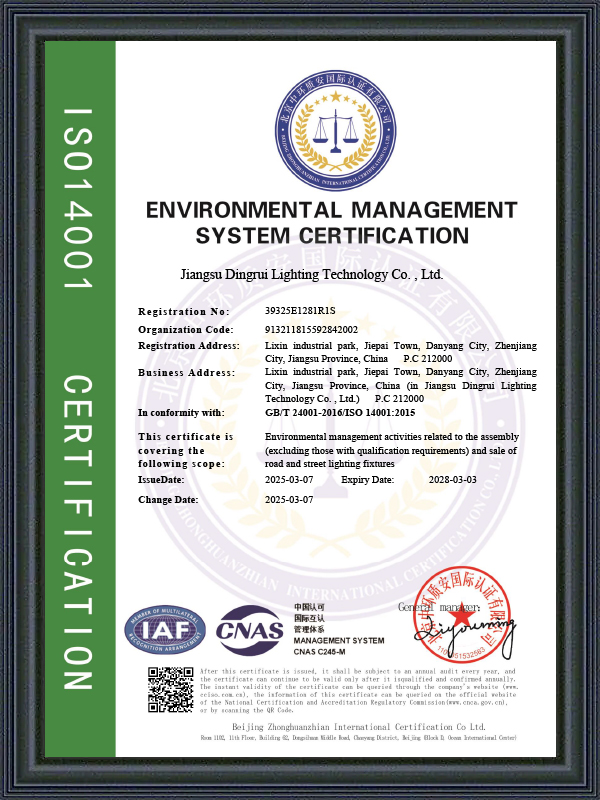
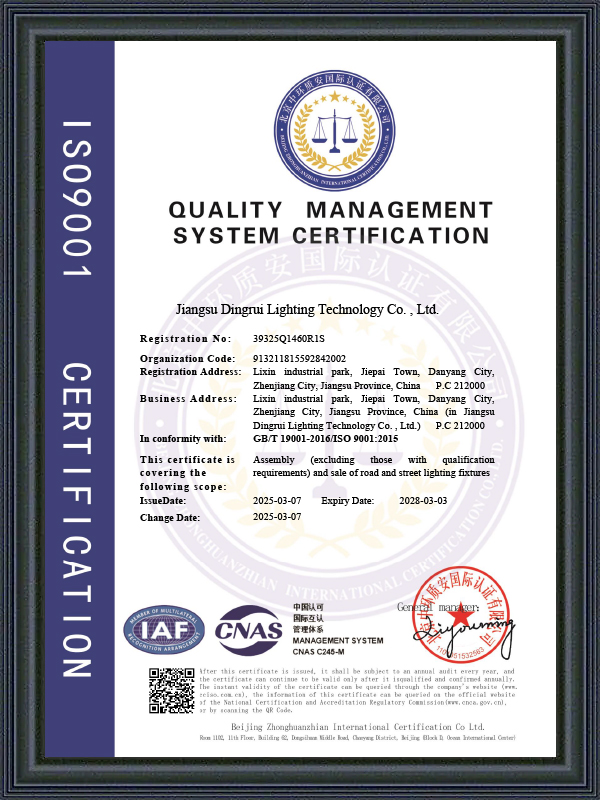
Jiangsu Dingrui Lighting Technology Co., Ltd. is a professional manufacturer specializing in advanced lighting solutions for commercial, industrial, and architectural applications. With decades of expertise in lighting system development, the company focuses on delivering high-performance products that combine efficiency, durability, and intelligent design.
Through continuous investment in R&D and precision manufacturing technologies, DingRui has developed strong capabilities in optical system design, thermal management engineering, and energy-saving lighting innovation. These strengths ensure that each energy-saving LED flood light is engineered for stable performance, high luminous efficiency, and long operational lifespan.
By integrating precision optics, intelligent control systems, and advanced energy optimization technologies, the company provides tailored lighting solutions that meet the evolving needs of global infrastructure. Its products are widely applied in smart city construction, industrial facilities, commercial environments, and premium architectural lighting projects, helping clients achieve improved visibility while reducing overall energy consumption.
Energy Efficiency vs. Brightness Balance
The core challenge in LED flood light design is balancing brightness output with energy consumption. This balance is achieved through a combination of:
- High-efficiency LED chips
- Optimized driver circuits
- Reduced optical loss
- Smart energy regulation
By integrating these systems, industrial LED flood lighting achieves high lumen output without proportionally increasing wattage, ensuring long-term sustainability and cost efficiency.
Conclusion
Energy-efficient lighting technology represents a convergence of optical engineering, thermal science, and intelligent control systems. The energy-saving LED flood light achieves high brightness not by increasing energy input, but by maximizing conversion efficiency, reducing losses, and improving system-level coordination.
FAQ
Q1: Why is an energy-saving LED flood light more efficient than traditional lighting?
It converts more electrical energy into visible light with less heat loss, improving overall luminous efficacy.
Q2: What improves brightness in LED flood lighting systems?
High-efficiency LED chips, optimized optics, and reduced thermal resistance all contribute to higher brightness.
Q3: How do smart controls reduce energy consumption?
They adjust brightness automatically based on motion, daylight, or remote scheduling needs.
Q4: What materials are important in LED flood light construction?
Aluminum housings, polycarbonate lenses, and silicone sealing components are key for durability and efficiency.
Q5: Where are energy-saving LED flood lights commonly used?
They are widely used in industrial facilities, outdoor landscapes, stadiums, and smart city infrastructure.


 Add.: Jiepai Town, Danyang City, Jiangsu Province, China.
 Tel: +86-0510-86219899
 Phone: +86-18601236320
 Email: