 +86-0510-86219899


 English
 English
 русский
 Español


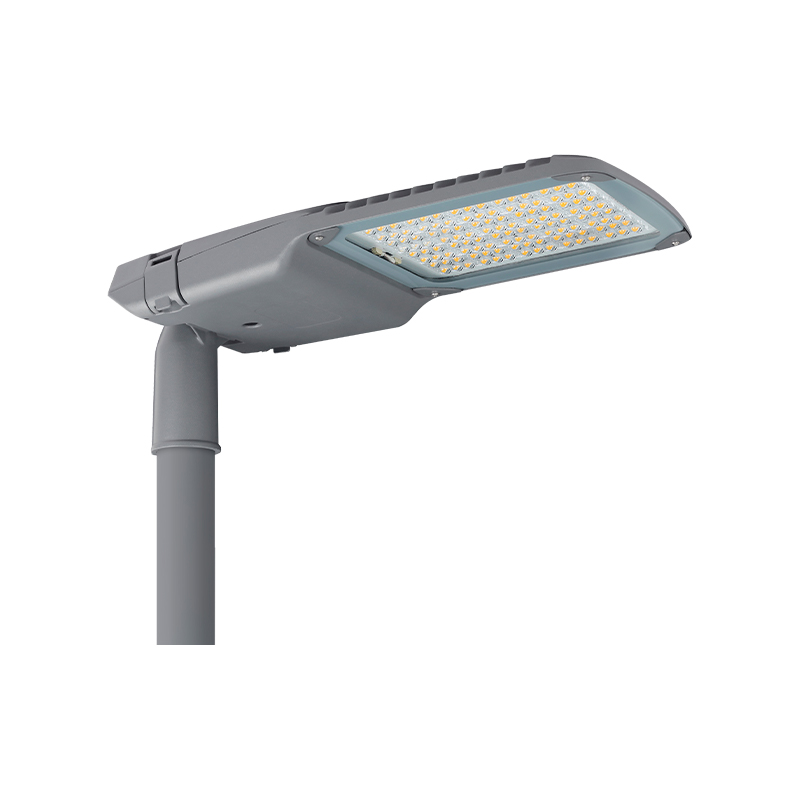
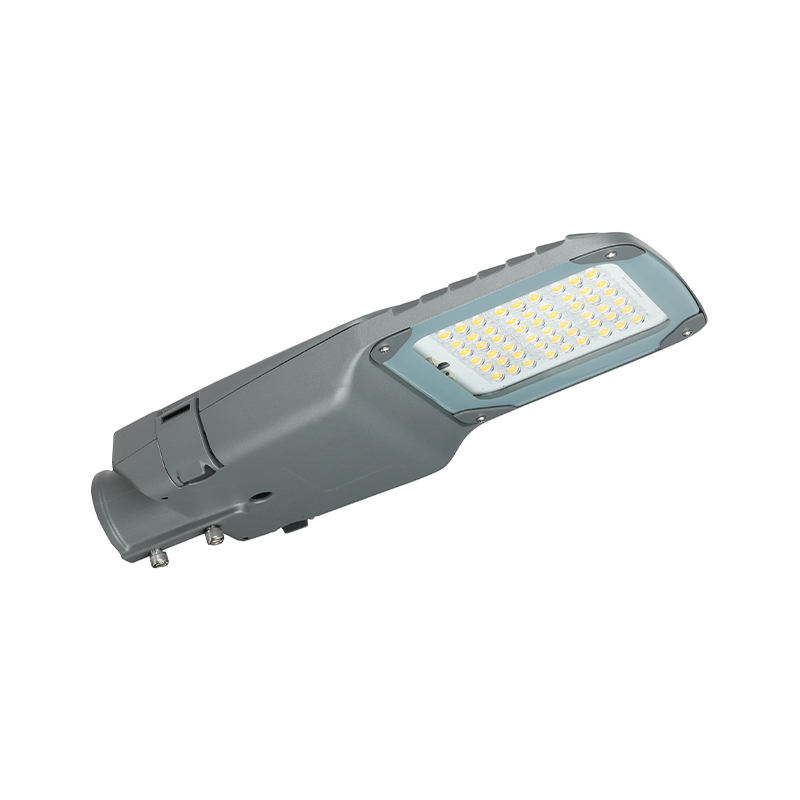
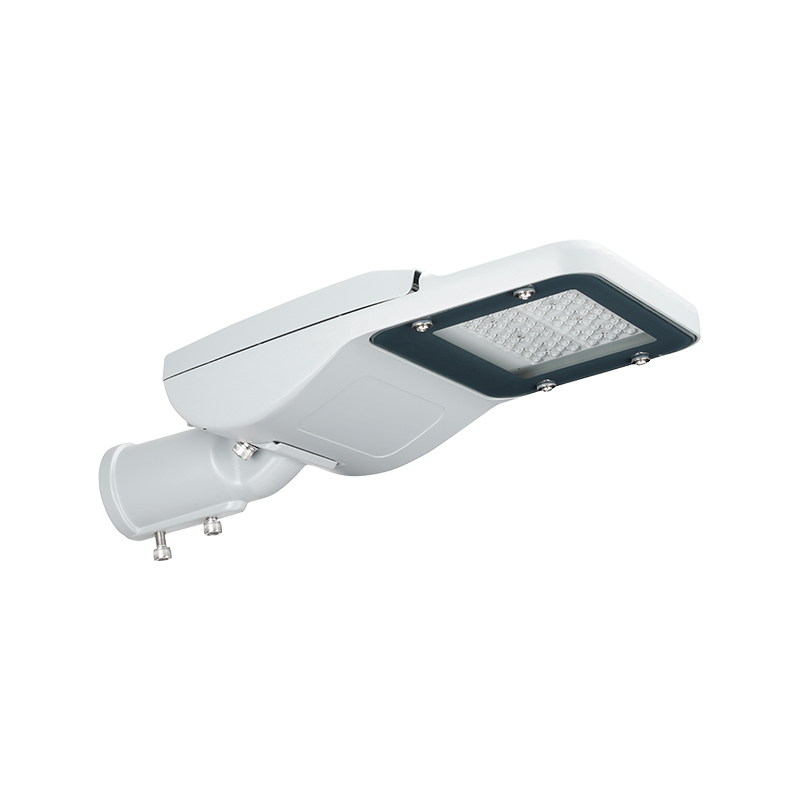
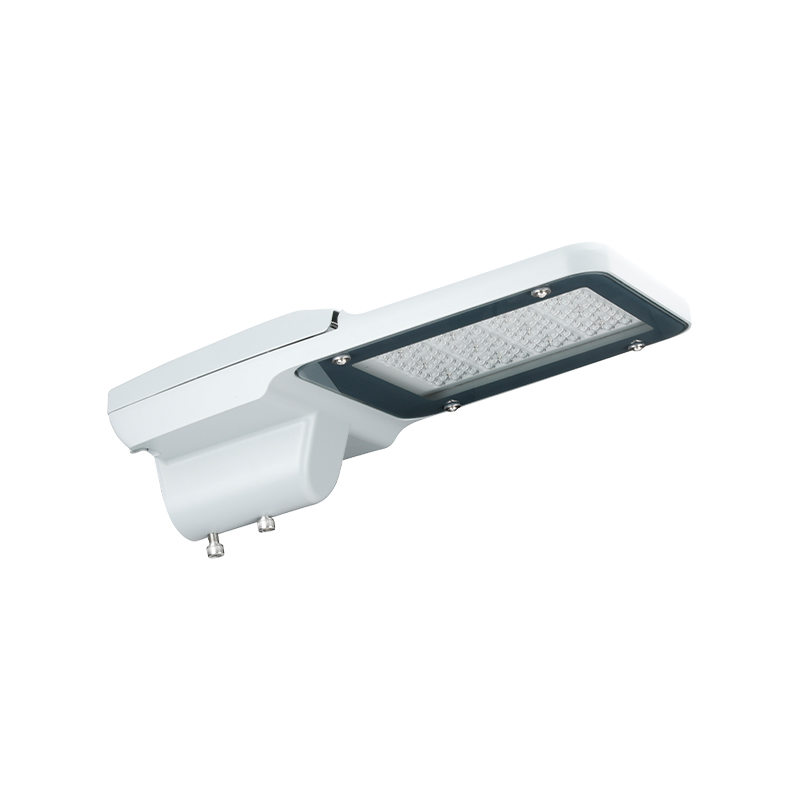
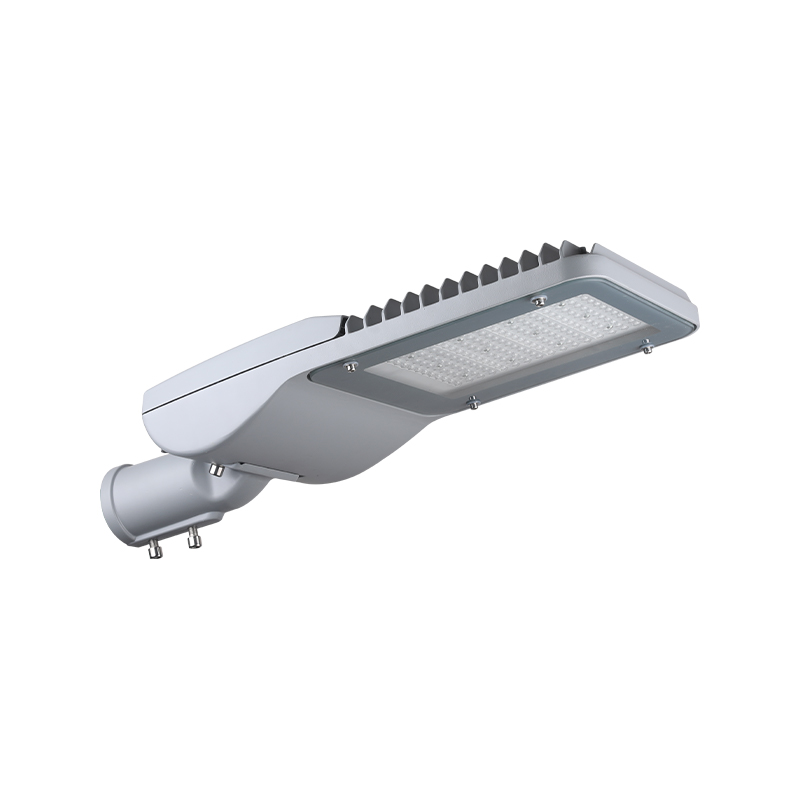
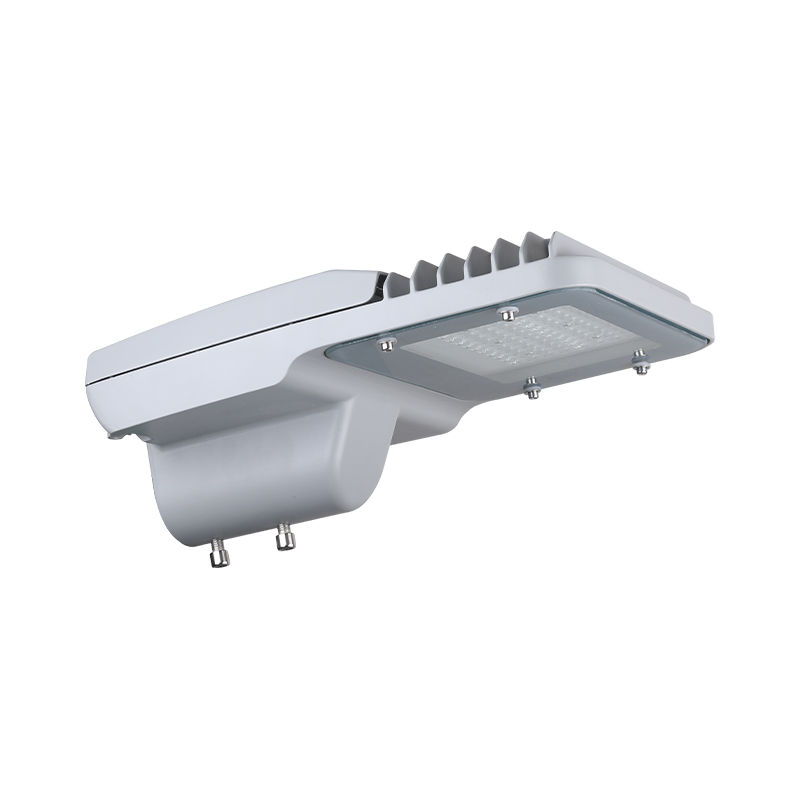
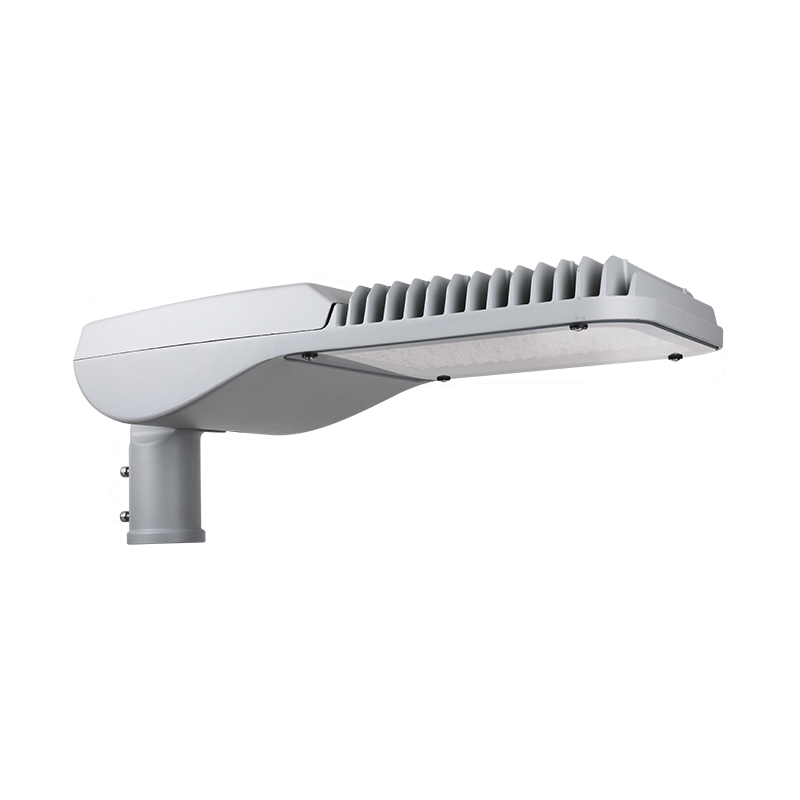
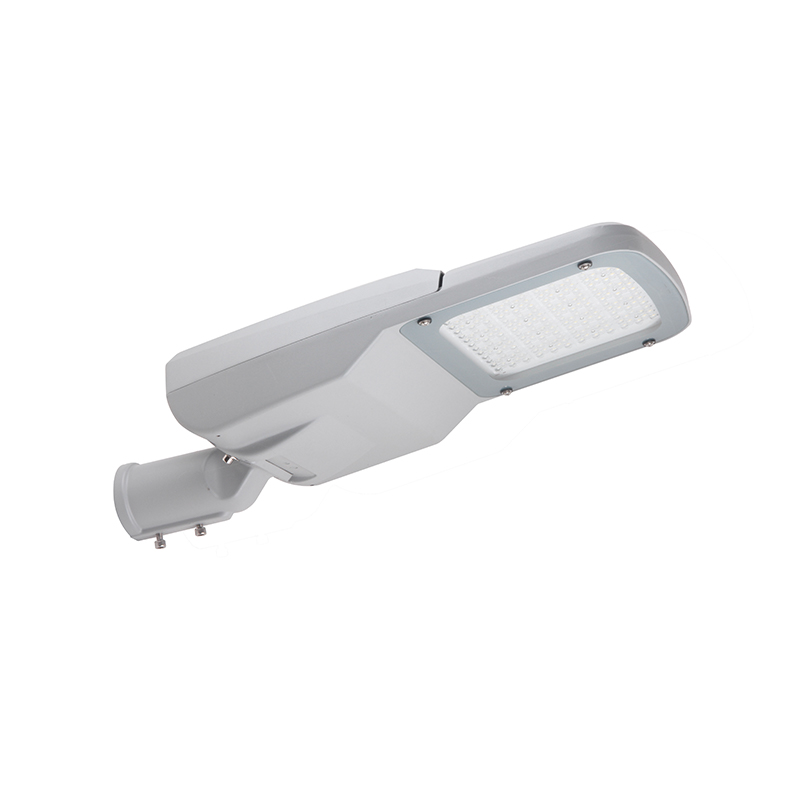
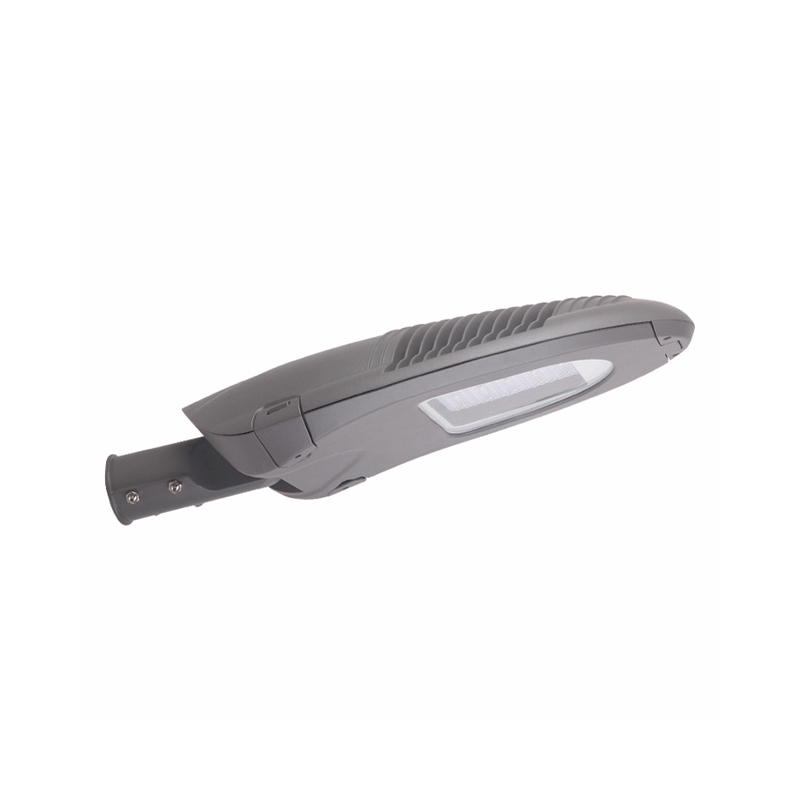
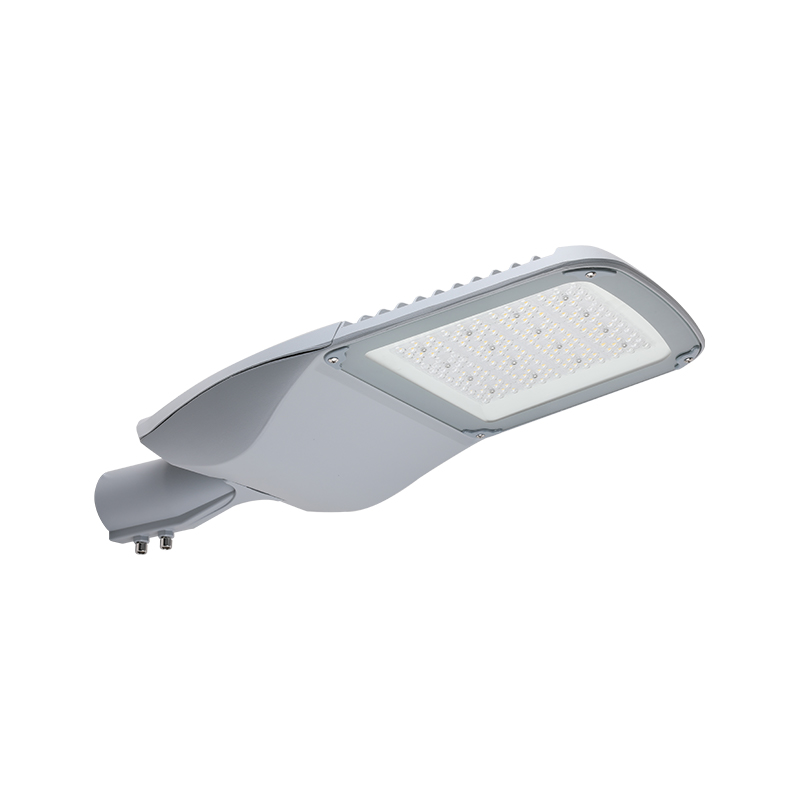
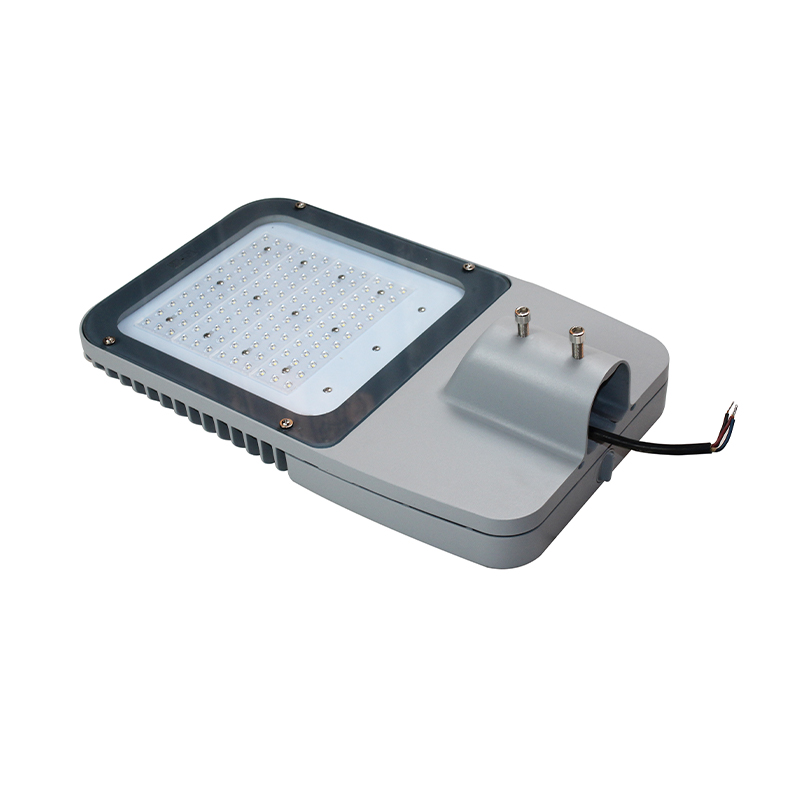
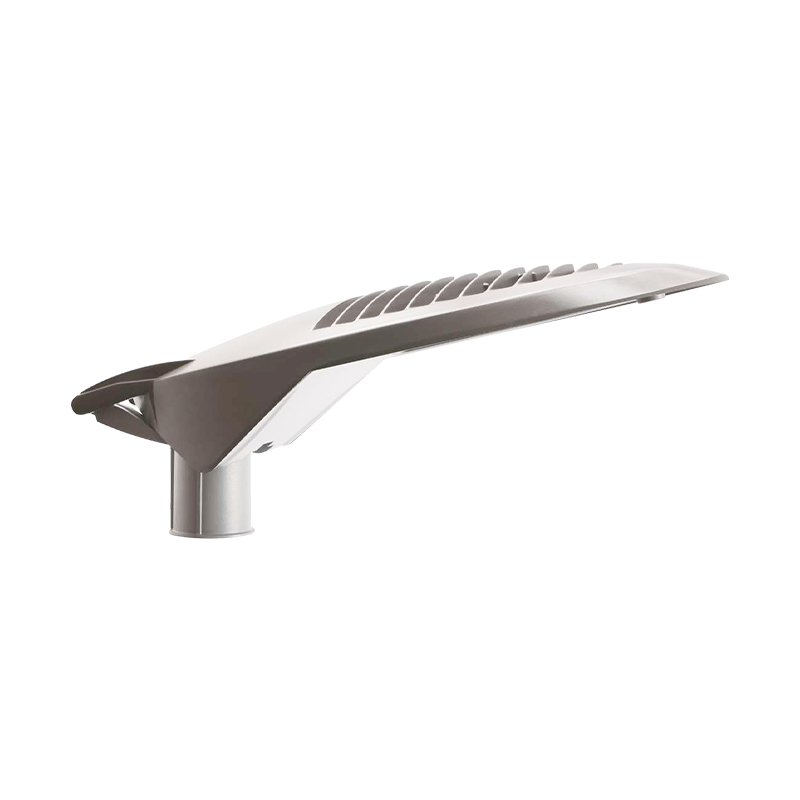
Roadway Lighting / Arm-Mounted Street Luminaire
LED Roadway Luminaire
An LED Roadway Luminaire is an outdoor lighting fixture mounted on a pole and outreach arm to illuminate road surfaces, carriageways, interchanges, and adjacent pedestrian areas. It is specified against roadway geometry, lane width, mounting height, and pole spacing, and is evaluated primarily through its light distribution across the road surface rather than through appearance. This page explains the optical, structural, and procurement factors that determine whether an LED roadway luminaire suits a given road project.
What Buyers Should Establish First
1
Road classification, lane width, and carriageway layout
2
Mounting height, pole spacing, and arm reach
3
Target luminance or illuminance and uniformity
4
Glare control requirements and cut-off class
5
Electrical supply and control needs
6
Applicable certification by market
01 — Introduction
Product Introduction
The LED Roadway Luminaire is an outdoor lighting fixture designed to be mounted on a pole and outreach arm, positioning the light head above the road surface so that light is directed along the carriageway rather than around the pole. It is used for street lighting on urban and rural roads, ring roads, interchanges, highway sections, and adjacent pedestrian areas. Because the luminaire sits above moving traffic and is often installed in long rows, its distribution, glare control, and mechanical reliability are evaluated at the road level rather than at a single point.
Roadway lighting is specified against the geometry of the road and the requirements of the traffic using it. Lane width, carriageway layout, mounting height, arm reach, and pole spacing together define how each luminaire contributes to the road surface. A distribution curve that performs well on a narrow street may be unsuitable on a multi-lane carriageway, and the reverse is also true. Professional buyers typically work from roadway layouts, target luminance or illuminance values, and uniformity criteria rather than from a single catalog description.
Jiangsu Dingrui Lighting Technology Co., Ltd. manufactures outdoor and public lighting products using LED chips, aluminum heat sinks, and optical lenses, supported by automated production lines, precision assembly, and in-house testing. For a given LED roadway luminaire configuration, the specific lumen output, distribution, CCT, CRI, wattage, cut-off class, and protection rating must be confirmed against the current datasheet and the agreed technical drawing before ordering.
Arm-Mounted Road Positioning
Luminaire head projects from the pole over the carriageway; arm reach and pole position define how light meets the road.
Distribution Along the Road
Light is directed along the carriageway; the distribution pattern determines uniformity and the spacing needed between poles.
Glare Control
Cut-off characteristics and shielding affect glare toward drivers and pedestrians; these are specification inputs, not marketing features.
Public Realm Reliability
Roadway luminaires operate through the night and in exposed conditions; thermal and sealing behavior must be confirmed per configuration.
02 — Advantages
Core Advantages in Roadway Lighting
01
Distribution Along the Carriageway
Roadway luminaires are shaped to direct light along the road rather than around the pole. The optical lens and reflector arrangement determine how much of the emitted light reaches the carriageway and how uniform the surface appears between poles. Buyers should review the distribution curve against the actual lane width and pole spacing.
02
Glare Control and Cut-Off
Glare from roadway luminaires affects driver comfort and visibility. The optical design and the shielding arrangement determine the cut-off characteristics of the luminaire. The applicable cut-off class and glare-related data should be confirmed from the product documentation for the specific configuration.
03
Arm and Pole Interface
Roadway luminaires interface with poles and outreach arms. Arm reach, tilt adjustment, mounting diameter, and cable entry vary between configurations. Buyers should supply pole and arm details before ordering so the mounting interface matches the site infrastructure.
04
Thermal Path for Long Nightly Operation
Roadway luminaires operate through the night and often at elevated ambient temperatures in exposed positions. LED heat has to be conducted away from the emitter and driver through the housing and heat sink. Thermal behavior must be confirmed from the product's own thermal documentation.
05
Protection in Exposed Conditions
Roadway luminaires are exposed to rain, wind, dust, and temperature variation. The enclosure protection rating and the sealing arrangement are product-specific and must be verified from the datasheet for the selected configuration, particularly in coastal or high-humidity projects.
06
Batch Consistency Along the Road
For long road installations, unit-to-unit consistency in output and distribution affects how uniform the carriageway appears between poles. Automated production lines and precision assembly support repeatability, while sample approval and batch checks remain the buyer's verification.
03 — Features
Product Features and Configuration Areas
LIGHT SOURCE
LED Module
LED chip configuration defined per product version; chip type and quantity confirmed from the datasheet.
OPTICS
Lens and Reflector
Optical lens and reflector arrangement selected for the required roadway distribution and cut-off.
HOUSING
Luminaire Body
Housing form and material specification confirmed per model; finish supplied per selected configuration.
HEAT PATH
Heat Sink Structure
Aluminum heat sink construction used in the company's lighting manufacturing; exact design is product-specific.
MOUNTING
Arm and Pole Interface
Slip fitter or adjustable arm interface; arm reach, diameter, and tilt confirmed from the technical drawing.
ELECTRICAL
Driver Configuration
Driver and electrical parameters vary by version; voltage, power factor, and control options confirmed per order.
PROTECTION
Enclosure Rating
Enclosure protection and sealing arrangement are product-specific; IP rating must be verified from the datasheet.
FINISH
Surface Treatment
Finish and coating specification provided in the product documentation for the selected configuration.
CONTROL
Dimming and Control
Dimming or control compatibility available only where confirmed for the selected driver and configuration.
04 — Applications
Applications
Urban and Rural Roads
Street lighting along urban and rural roads is specified against lane width, mounting height, and spacing. The distribution pattern determines whether the carriageway and adjacent pedestrian areas receive uniform light between poles.
Ring Roads and Interchanges
Ring roads and interchange lighting require attention to curvature, merge points, and multi-lane geometry. Distribution, cut-off, and spacing should be reviewed against the layout rather than by wattage alone.
Highway Sections
Highway lighting places emphasis on glare control and maintained light output over long operating hours. Driver lifetime and lumen maintenance documentation are relevant inputs alongside distribution data.
Bridges and Adjacent Walkways
Bridge lighting and walkways adjacent to roads may require attention to wind loading, mounting arrangement, and the relationship between road surface and pedestrian areas.
05 — Technical
Optical and Technical Considerations
Distribution Along the Road Surface
Roadway luminaires direct light along the road rather than around the pole. The distribution pattern determines how much of the carriageway is illuminated and how uniform the surface appears between poles. A distribution that concentrates light near the pole may leave gaps between poles, while a distribution that projects far along the road requires sufficient output to maintain intensity over distance. Buyers should review the distribution curve against the actual lane width, arm reach, and pole spacing.
Luminance, Illuminance, and Uniformity
Roadway lighting is typically specified in terms of luminance on the road surface or illuminance on the carriageway and adjacent areas, together with uniformity criteria. These values are derived from the luminaire distribution, mounting height, arm reach, and spacing. Comparing luminaires by wattage or nominal lumen output alone can mislead, because distribution and efficiency determine how much of the emitted light reaches the road.
Glare and Cut-Off Class
Glare from roadway luminaires affects driver comfort and visibility, particularly at night and in wet conditions. Cut-off classification and shielding arrangement shape how much light is directed above the horizontal and how visible the source is from a distance. The applicable cut-off class and any glare-related data should be confirmed from the product documentation for the specific configuration.
Arm and Pole Compatibility
Roadway luminaires interface with poles and outreach arms. Arm reach, tilt angle, mounting diameter, and cable entry determine whether the luminaire positions correctly over the carriageway. These details should be confirmed from the technical drawing and matched to the pole specification before ordering.
What to Confirm from the Datasheet
Lumen output, distribution, cut-off class, CCT, CRI, wattage, power factor, voltage, IP rating, IK rating where applicable, and control compatibility are all product-specific. Confirm each against the current datasheet and the approved sample before bulk ordering.
Arm-Mounted Roadway Distribution
Arm-mounted roadway luminaires project light along the carriageway rather than around the pole. Coverage and uniformity between poles depend on distribution, mounting height, arm reach, and spacing.
06 — Quality
Manufacturing and Quality Control
Assembly, Sealing, and Documented Testing
An LED roadway luminaire is assembled from the LED module, optical assembly, driver, housing and heat sink structure, and arm interface. Because the luminaire is installed over moving traffic and operates through the night, the sealing arrangement, the arm connection, and the consistency of optical output across the batch all affect the installation in service.
Automated production lines and precision assembly processes support repeatability, while material selection and inspection address incoming component quality. For outdoor public lighting, testing is part of the quality process where applicable to the product. The company conducts optical performance testing, thermal stability testing, waterproofing tests, and lifespan simulation testing. Buyers should confirm which tests apply to the specific product version and request the relevant documentation as part of sample approval.
The company states compliance with CE, RoHS, ISO 9001, and UL standards at the organizational level. This does not mean every LED roadway luminaire version carries every certification. Applicable certification for the ordered product must be confirmed separately.
Optical Performance
Verifies output and roadway distribution against the design intent for the configuration.
Thermal Stability
Checks behavior under operating heat load relevant to the product design.
Waterproofing
Assesses enclosure sealing where the product carries a defined protection rating.
Lifespan Simulation
Supports evaluation of long-term operating behavior within the test scope.
Material Selection
Incoming inspection of LED chips, heat sink material, and optical lenses used in production.
Batch Consistency
Process control supports repeatability; sample approval and batch checks remain the buyer's verification.
07 — Procurement
Selection and Procurement Guide
Road and Site Inputs
- Road classification and carriageway width
- Number of lanes and traffic direction
- Mounting height, arm reach, and pole spacing
- Layout drawing and curvature or merge points
- Target luminance or illuminance and uniformity
- Glare control requirements and cut-off class
- Ambient conditions including coastal exposure
- Electrical supply and cable routing
Product and Order Inputs
- Distribution curve and photometric file
- Lumen output and wattage for the configuration
- CCT and CRI requirements
- Cut-off classification and shielding arrangement
- Arm interface and mounting dimensions
- Required IP rating and applicable certification
- Dimming or control requirements
- Sample approval and packaging requirements
08 — OEM / ODM
OEM and ODM Considerations
Jiangsu Dingrui Lighting Technology Co., Ltd. operates as an OEM and ODM lighting manufacturer. For LED roadway luminaire projects, OEM and ODM discussions typically begin with the roadway classification and the installation infrastructure rather than with a fixed catalog model. Buyers should be prepared to provide the road layout, pole and arm specification, target luminance or illuminance, cut-off requirements, electrical supply, and any branding or product identification requirements.
Optical design, housing form, arm interface, and finish are reviewed against the project specifications. Technical drawings should be confirmed before production, and sample evaluation provides the reference for batch production. The company's more than 15 years of industry experience and more than 20 patent certificates support product engineering discussions, but no specific customization should be assumed without written confirmation of feasibility, tooling, and scope.
Typical Information for OEM/ODM Discussion
- Road classification and layout
- Pole and arm specification
- Optical distribution and cut-off requirements
- Electrical and control specifications
- Housing form and finish requirements
- Branding and product identification
- Technical drawing confirmation
- Sample evaluation and batch planning
09 — FAQ
Frequently Asked Questions
How should buyers determine the required distribution for a roadway project?
Start from the road geometry — lane width, carriageway layout, mounting height, and arm reach — and from the target luminance or illuminance and uniformity requirements. Then review the distribution curve against the pole spacing and layout. A distribution that works on a narrow street may not suit a multi-lane carriageway. Confirm the photometric file for the exact configuration before specifying.
What should be checked before ordering a roadway luminaire for an existing pole?
Confirm the arm interface type, arm reach, mounting diameter, tilt adjustment, and cable entry against the technical drawing. Check whether the arm and pole match the luminaire's mounting arrangement, and review weight and wind loading considerations. Mounting interfaces are not universal across roadway luminaire designs.
How does cut-off class affect driver comfort and glare?
Cut-off classification describes how light is controlled above the horizontal and how visible the source is from a distance. A more controlled cut-off reduces glare toward drivers but may restrict how far light projects along the road. The applicable cut-off class should be confirmed from the product documentation and matched to the road classification and local requirements.
What should be checked for installation in exposed or coastal environments?
Verify the enclosure protection rating from the datasheet, the sealing arrangement, and the finish specification. Consider wind loading on the pole and arm, rain exposure, dust, humidity, and temperature variation. In coastal or corrosive environments, confirm with the supplier whether the standard finish and protection level are suitable or whether a different specification is required.
Which technical specifications should be reviewed before bulk purchasing?
Review lumen output, distribution, cut-off class, CCT, CRI, wattage, power factor, voltage, IP rating, and control compatibility — each for the specific product version. Also confirm the arm interface, housing finish, and the test documentation available for that version. Certification must be verified for the destination market separately.
What should be considered when evaluating a roadway luminaire sample?
Check optical performance against the specified roadway distribution, construction quality and assembly, finish consistency, arm interface fit, and the documentation supplied with the sample. Compare the sample's measured data with the datasheet values. For project orders, retain the approved sample as the reference for batch production.
Can lighting configurations be discussed for different roadway requirements?
Yes. As an OEM and ODM manufacturer, the company can review project-specific requirements including optical design, housing form and finish, arm interface, and product identification. Buyers should provide road layout, pole specifications, target luminance, and electrical information for the discussion. Feasibility, tooling, and scope are confirmed in writing before production.
Which product certifications should international buyers verify?
Verify the certification required by the destination market and confirm it applies to the exact product version being ordered. The company states compliance with CE, RoHS, ISO 9001, and UL standards at the organizational level, but this does not mean every LED roadway luminaire version carries every certification. Request the applicable certificate or declaration for the specific product.
15+
Experience
Pioneering Excellence in Lighting Technology
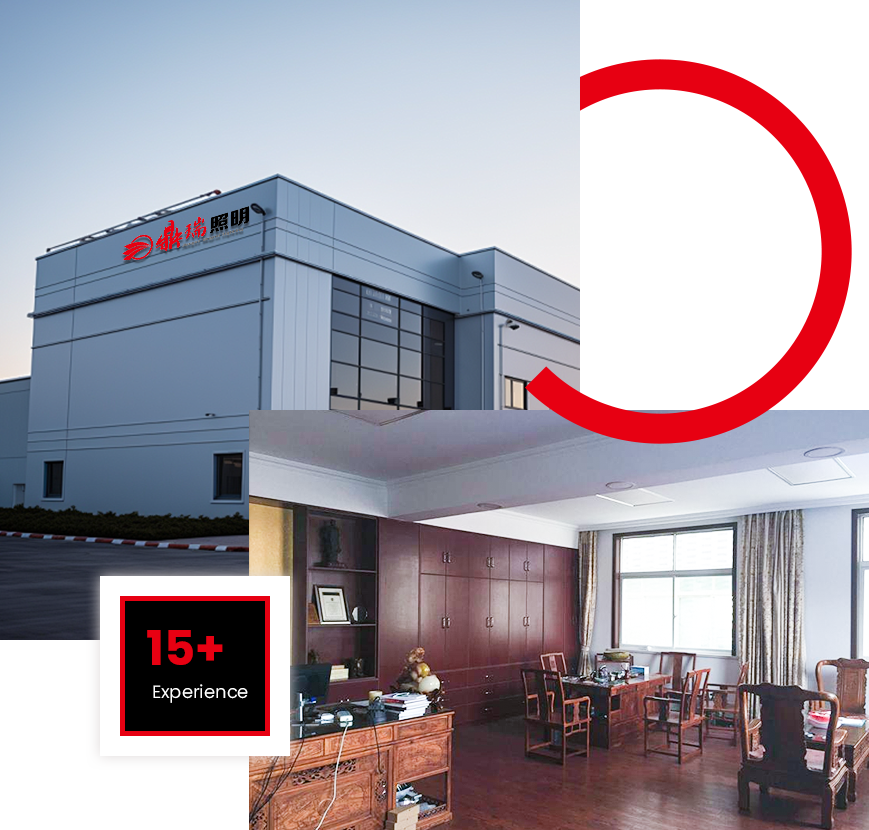
With 15+ years of experience in professional lighting, Jiangsu Dingrui Lighting Technology Co., Ltd. develops LED lighting for commercial, industrial, outdoor applications. With 20,000+ square meters of production space, R&D, automated manufacturing, and strict quality control, we deliver reliable products with consistent performance and long service life. We are Custom LED Roadway Luminaire Manufacturers.
For distributors, contractors, engineering companies, and project buyers, we focus on stable quality, energy efficiency, certification compliance, and dependable supply. Products undergo testing for optical performance, thermal stability, waterproofing, and service life, with compliance to CE, RoHS, ISO9001, and UL.
DingRui combines engineering expertise and quality management to reduce procurement risks and deliver reliable lighting across commercial, industrial, road, and landscape uses.


 Add.: Jiepai Town, Danyang City, Jiangsu Province, China.
 Tel: +86-0510-86219899
 Phone: +86-18601236320
 Email:
