 +86-0510-86219899


 English
 English
 русский
 Español


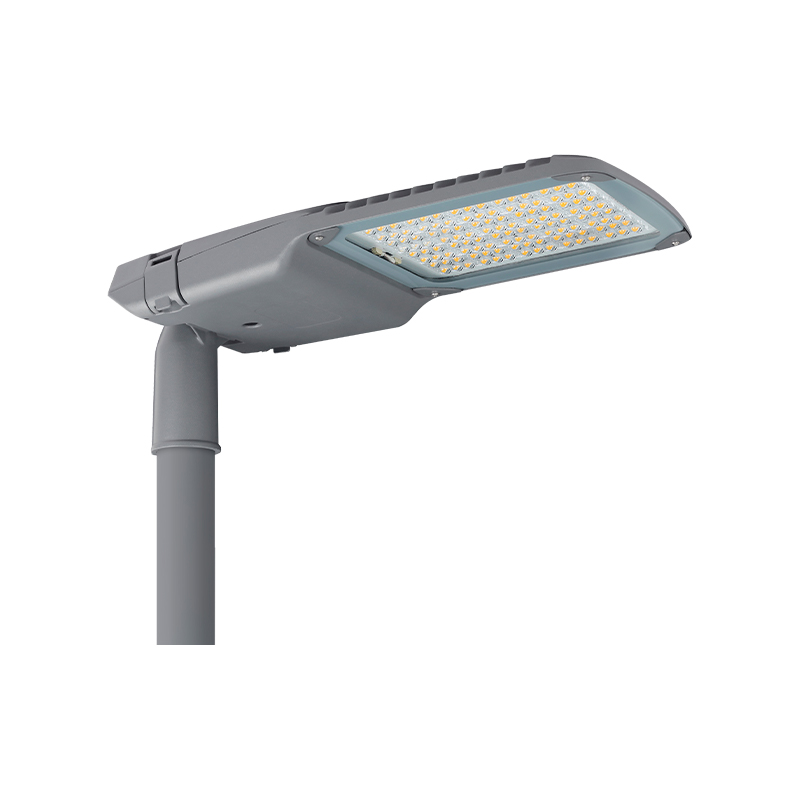
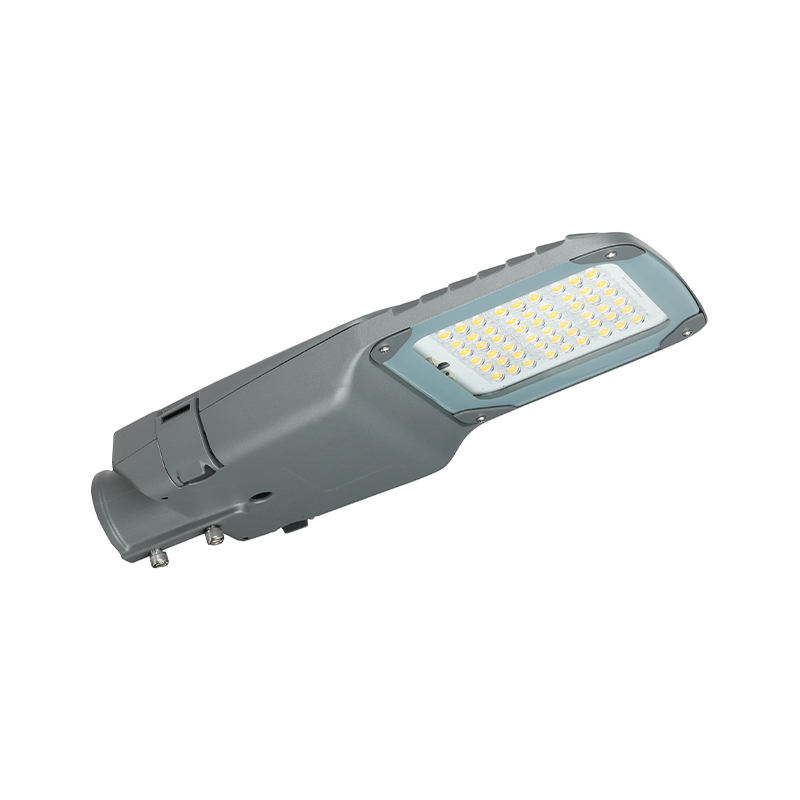
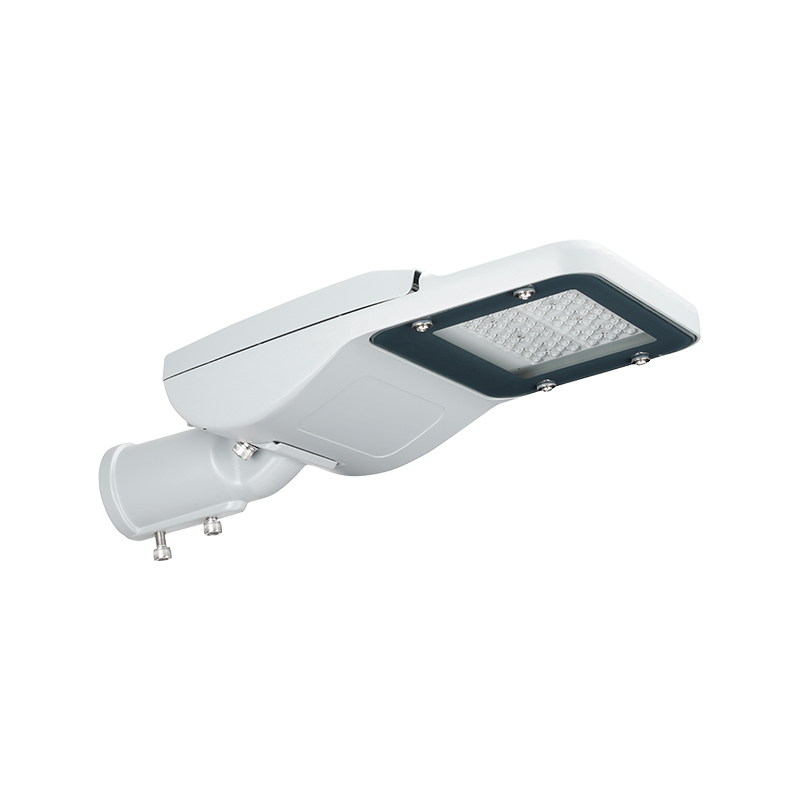
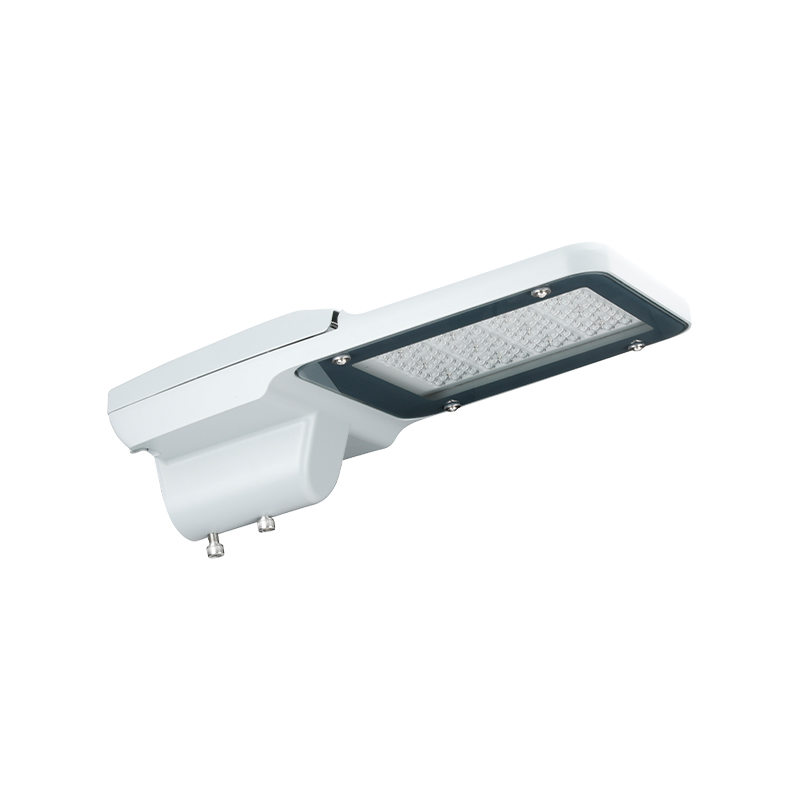
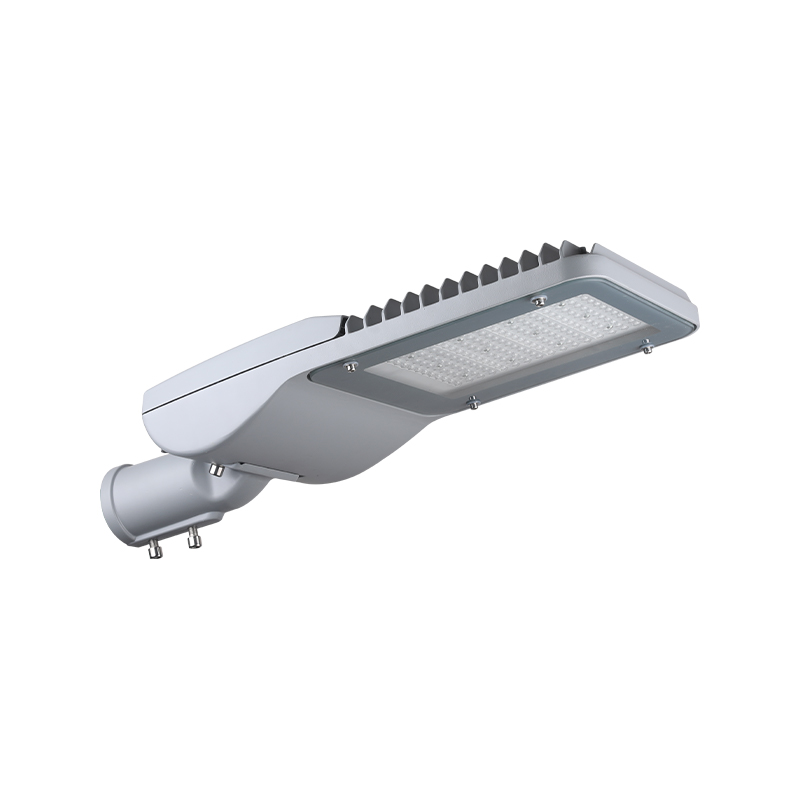
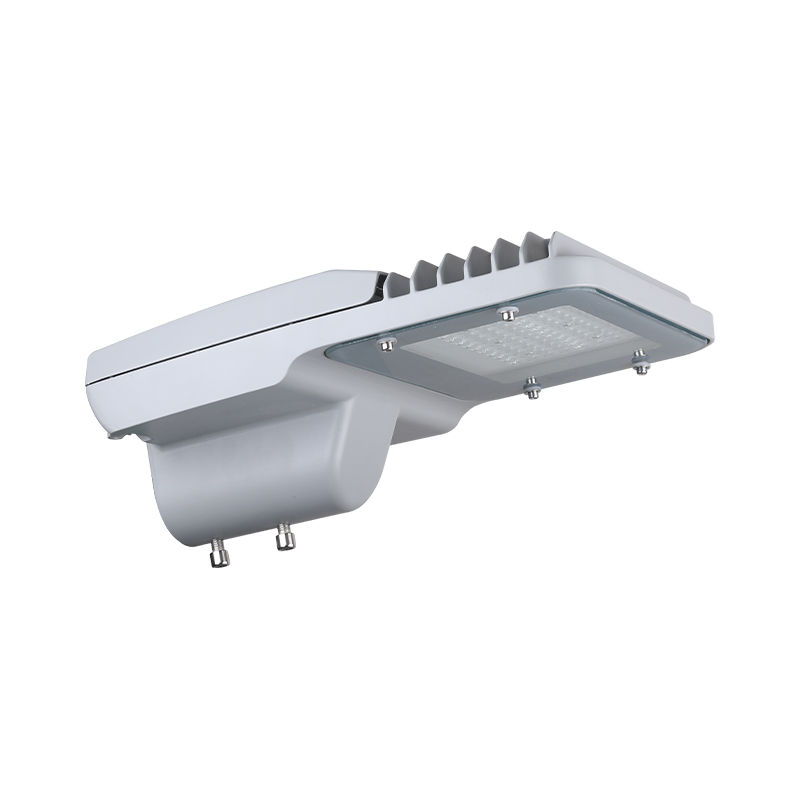
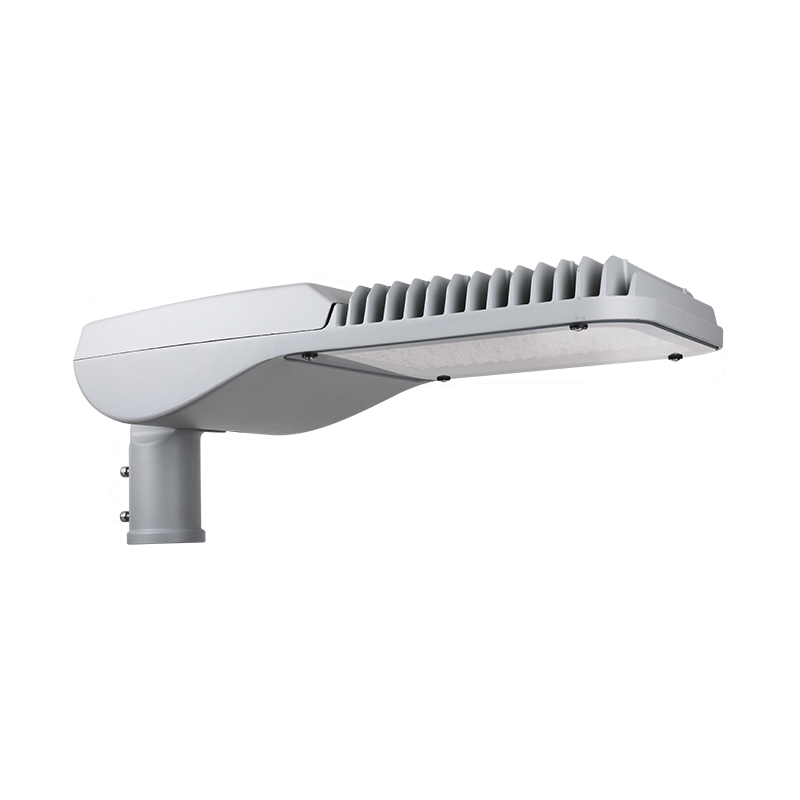
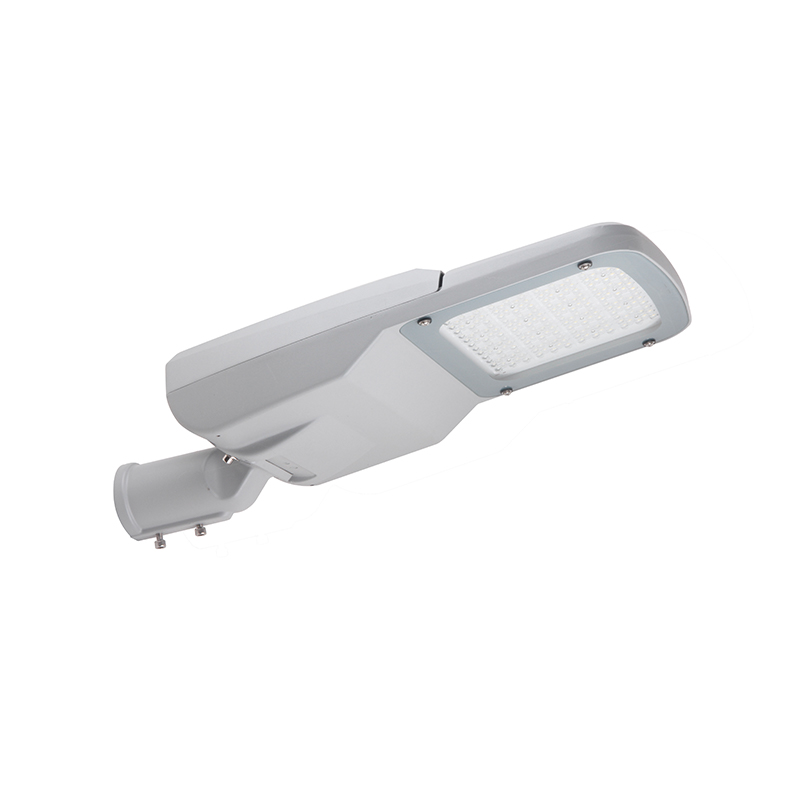
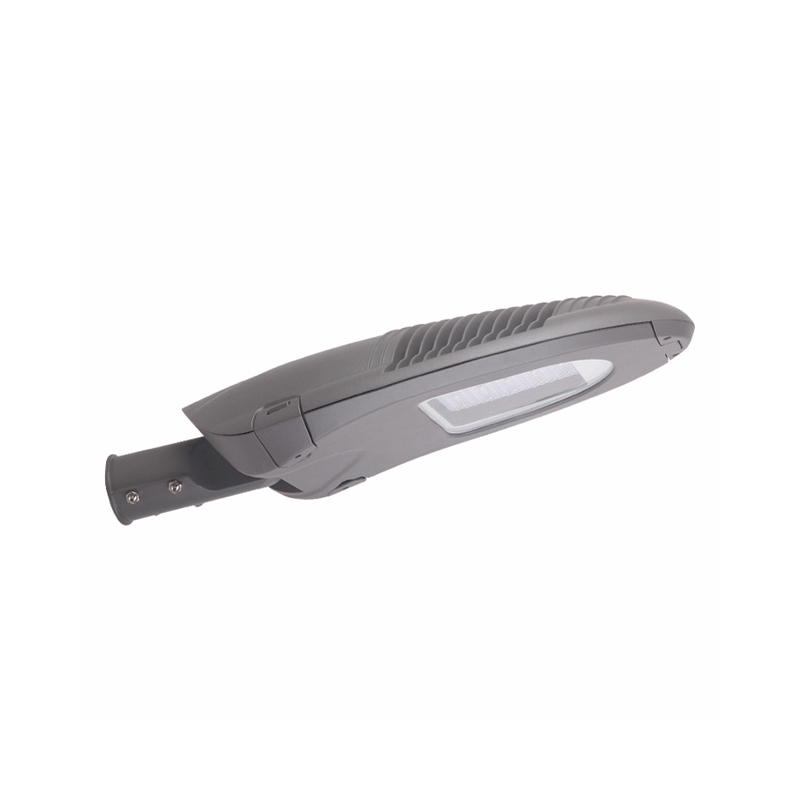
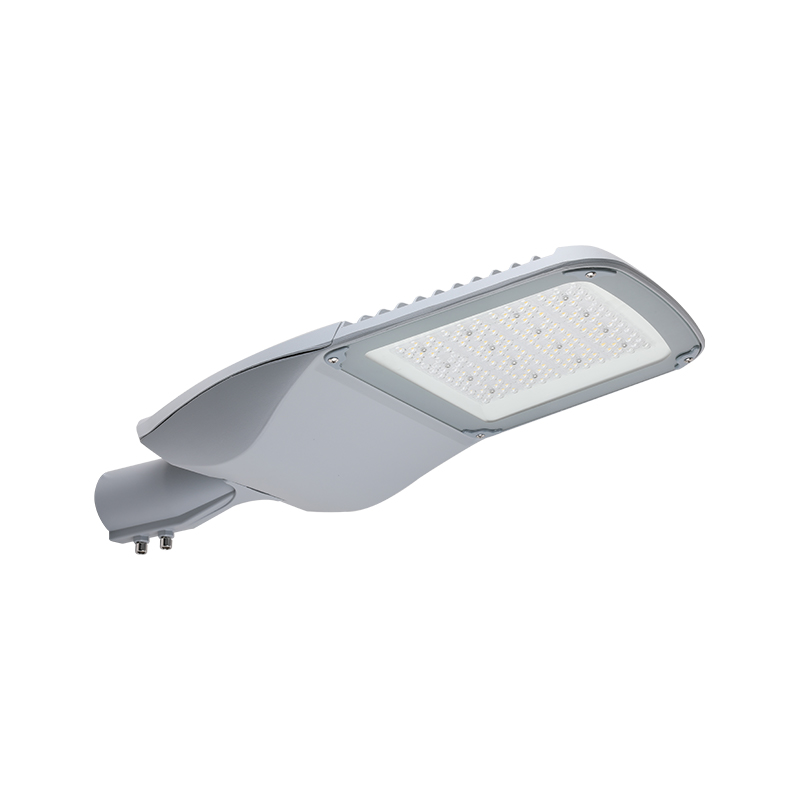
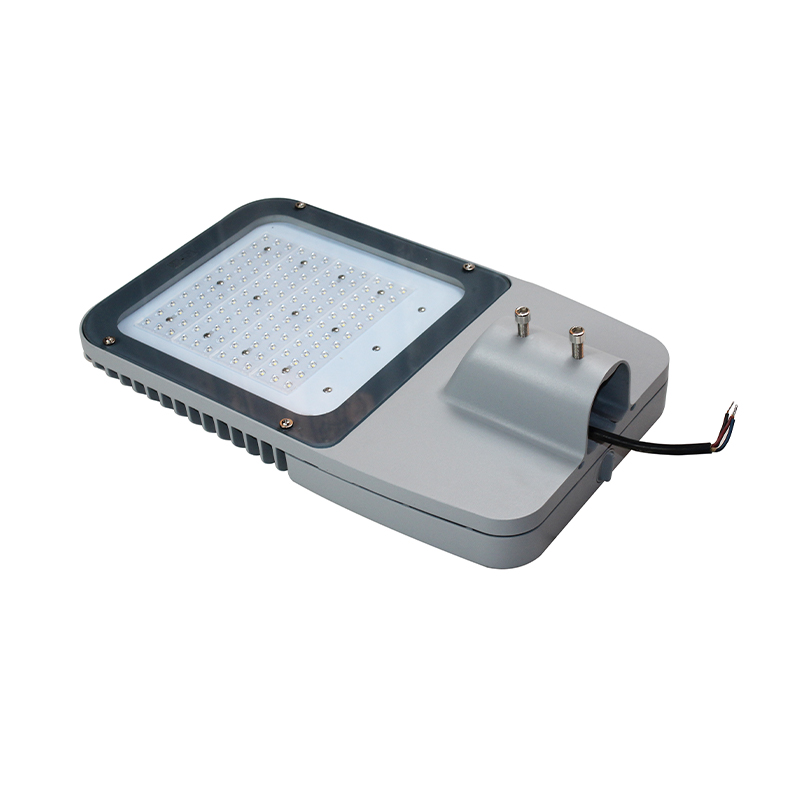
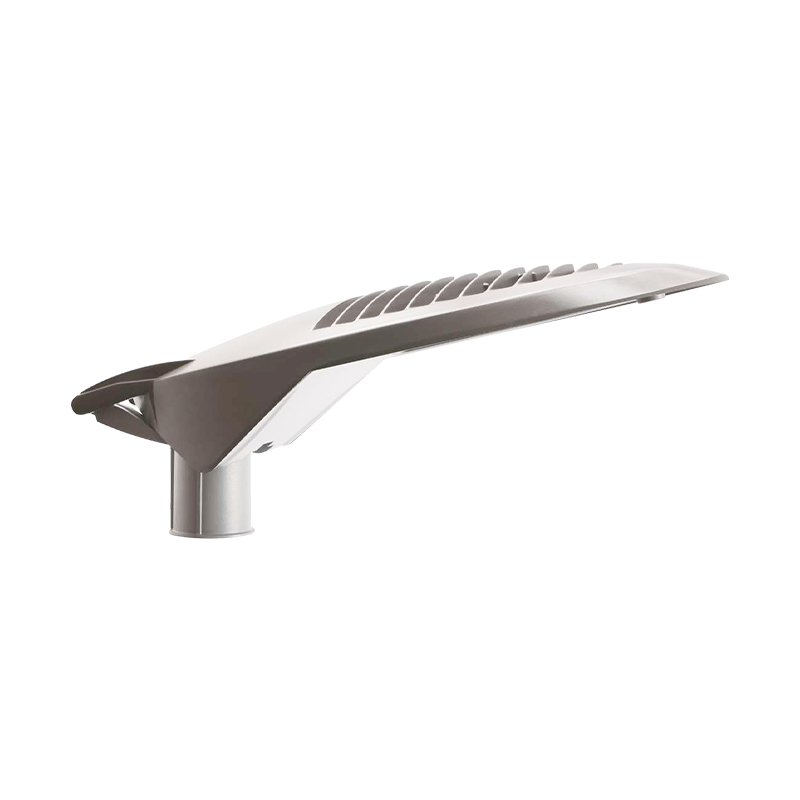
Modular Outdoor Flood Lighting
Modular LED Flood Light
A Modular LED Flood Light is an outdoor lighting fixture built from interchangeable LED module units assembled into a single luminaire body. The modular construction allows the output, beam configuration, and physical size of the fixture to be adjusted by combining module units, and it allows a failed module to be serviced without replacing the entire luminaire. This page explains the modular architecture, the optical and thermal behavior of multi-module fixtures, and the procurement considerations that determine whether a modular LED flood light suits a given project.
Why the Modular Format Matters
Output is scaled by combining module units rather than by choosing a single fixed wattage.
Beam configuration can be assigned per module, allowing mixed distribution within one fixture.
Service access is at module level, which affects maintenance planning for high-mounted installations.
Consistency across modules in output and color affects how the fixture behaves as a single light source.
Thermal behavior changes with the number of modules and their arrangement in the housing.
01 — Introduction
Product Introduction
Category overviewThe Modular LED Flood Light is an outdoor lighting fixture in which the light source is divided into separate LED module units that are assembled into a single luminaire body. This modular approach differs from a conventional single-module flood light: the fixture is built from repeated elements, and the number of modules determines the output and physical size of the luminaire. The format is used for facade lighting, industrial yards, ports and terminals, large signage, sports areas, and infrastructure projects where the required output may vary across the site and where maintenance access is a practical concern.
The modular design changes how the fixture is specified and how it behaves in service. Output is a function of how many modules are installed and how they are driven, so the same housing family can serve several power classes. Beam configuration can be assigned per module, which allows the luminaire to combine distributions within one body — for example, a mix of narrow and wide modules to shape light across an irregular target. On the maintenance side, module-level construction means that service access and replacement planning differ from single-module luminaires.
Jiangsu Dingrui Lighting Technology Co., Ltd. manufactures outdoor and industrial lighting products using LED chips, aluminum heat sinks, and optical lenses, supported by automated production lines, precision assembly, and in-house testing. For a given modular LED flood light configuration, the specific module count, lumen output, distribution, CCT, CRI, wattage, driver arrangement, and protection rating must be confirmed against the current datasheet and the agreed technical drawing before ordering.
Modular Output Scaling
Output and physical size are defined by the number and drive of module units, not by a single fixed wattage.
Per-Module Beam Assignment
Modules may carry different beam distributions within one fixture to shape light across a target.
Module-Level Service
Service access and replacement planning are at module level; this affects maintenance planning for high installations.
Consistent Single-Source Appearance
Unit-to-unit consistency across modules determines how the fixture reads as a single light source in the scene.
02 — Advantages
Core Advantages in Modular Flood Lighting
Modularity, optics, and service01
Output Scaled by Module Count
In a modular flood light, output is a function of the number and drive of the installed modules. This allows the same housing family to serve multiple power classes and allows project-specific configurations without a dedicated tooling change for each output level. Buyers should confirm the module count and drive current for the specific configuration rather than assuming output from the housing size alone.
02
Beam Configuration Per Module
Because each module carries its own optical arrangement, a single fixture can combine different distributions — for example, narrow modules for a focal point and wider modules for surrounding coverage. This is a specification tool, but it requires the layout and photometric data to be reviewed together so the combined beam meets the target as intended.
03
Service at Module Level
Modular construction allows a failed module to be replaced without replacing the entire luminaire, which is relevant for high-mounted installations where access equipment is required for service. The replacement procedure, module accessibility, and any spare-part planning should be confirmed with the supplier as part of the procurement.
04
Thermal Behavior Across Modules
Multi-module fixtures generate heat across a larger area of the housing, and the heat sink and housing must conduct this heat away from each module. The thermal behavior depends on the module count, the housing design, and the installation conditions. Thermal performance should be confirmed from the product's own documentation for the specific configuration.
05
Exposure Protection at Ground and Structure Level
Modular flood lights are installed in exposed outdoor positions and often at low mounting heights. The enclosure protection rating, sealing arrangement, and finish are product-specific and must be verified from the datasheet for the selected configuration, especially in coastal or industrial environments.
06
Consistency Across the Fixture and the Scene
For projects with multiple fixtures, consistency in output and color across modules affects how each fixture reads and how the scene behaves as a whole. Automated production lines and precision assembly support repeatability, while sample approval and batch checks remain the buyer's verification.
03 — Features
Product Features and Configuration Areas
Confirmed per product versionLIGHT SOURCE
LED Module Units
LED chip configuration defined per module; chip type, quantity, and drive current confirmed from the datasheet.
OPTICS
Per-Module Lens and Reflector
Optical lens and reflector arrangement selected per module to achieve the required combined distribution.
HOUSING
Multi-Module Body
Housing form, module count, and material specification confirmed per model; finish supplied per configuration.
HEAT PATH
Heat Sink Structure
Aluminum heat sink construction used in the company's lighting manufacturing; exact design is product-specific.
MOUNTING
Bracket and Aiming
Bracket or yoke arrangement with tilt and rotation; dimensions and load capacity confirmed from technical drawing.
ELECTRICAL
Driver Configuration
Driver arrangement varies by version; voltage, power factor, and control options confirmed per order.
SERVICE
Module Access
Module-level service access and replacement procedure confirmed per configuration for maintenance planning.
PROTECTION
Enclosure Rating
Enclosure protection and sealing arrangement are product-specific; IP rating must be verified from the datasheet.
FINISH
Surface Treatment
Finish and coating specification provided in the product documentation for the selected configuration.
CONTROL
Dimming and Control
Dimming or control compatibility available only where confirmed for the selected driver and configuration.
ACCESSORY
Shielding and Accessories
Shielding, visors, or glare control accessories where confirmed for the specific configuration.
04 — Applications
Applications
Supported by the luminaire's design intentIndustrial Yards and Terminals
Large industrial yards, ports, and terminals require high output across broad areas with maintenance access that suits the installation. Modular construction allows output and distribution to be adapted to the site layout.
Facade and Architectural Illumination
Facade and architectural projects can combine modules with different beam angles within a single fixture to shape light across a large or irregular surface. Aiming and photometric data define the result.
Sports and Large Area Lighting
Sports and large area lighting requires controlled output and distribution across the surface. Modular fixtures can be specified with the module count and beam configuration that match the surface size and uniformity requirements.
Signage and Billboard Projection
Sign and billboard lighting benefits from the ability to assign modules to cover different areas of the sign with a controlled beam, and to service individual modules without replacing the whole fixture.
Infrastructure and Highway Zones
Infrastructure and highway zones place the fixture in exposed positions and often at elevated mounting heights, where module-level service and enclosure protection are relevant to long-term operation.
Logistics and Distribution Sites
Logistics and distribution sites operate long hours and need consistent illumination. Driver lifetime and module consistency documentation are relevant inputs alongside the distribution data.
05 — Technical
Optical and Technical Considerations
Module count, distribution, and confirmation pointsModule Count and Output
In a modular flood light, output is determined by the number and drive of the modules, not by the housing size alone. A fixture with more modules at a given drive current produces more output than the same housing with fewer modules. Buyers should confirm the module count and drive current for the specific configuration, and compare the combined output against the required illumination at the target.
Combined Distribution
Because each module carries its own optical arrangement, the combined distribution of the fixture is the sum of the module distributions and their aiming. Mixing narrow and wide modules within one fixture can shape light across an irregular target, but it requires the layout and photometric data to be reviewed together. A combined beam that works on one facade may be unsuitable for a yard or a sports surface.
Thermal Behavior Across Modules
Multi-module fixtures distribute heat across a larger housing area, and the heat sink and housing must conduct heat away from each module. The thermal behavior depends on the module count, the housing design, and the installation conditions. Thermal performance should be confirmed from the product's own documentation for the specific configuration, not inferred from a single-module product.
Service Access and Maintenance Planning
Module-level service allows individual modules to be replaced without replacing the entire luminaire, but the replacement procedure and the accessibility of the modules in the installation position affect how practical this is. For high-mounted or difficult-access installations, maintenance planning should include the module replacement procedure and spare-part arrangements.
Mounting and Load
A multi-module fixture carries more weight than a single-module luminaire of similar output. The bracket and mounting structure must handle the weight of the assembled fixture and resist wind loading. Mounting dimensions and the surface interface should be confirmed from the technical drawing and matched to the site before ordering.
What to Confirm from the Datasheet
Module count, lumen output, combined distribution, CCT, CRI, wattage, power factor, voltage, IP rating, IK rating where applicable, aiming range, and control compatibility are all product-specific. Confirm each against the current datasheet and the approved sample before bulk ordering.
Multi-Module Fixture Profile
The fixture is built from repeated module units within a single housing. Output, size, and combined distribution are determined by the number and arrangement of the modules, and the housing conducts heat away from each module.
06 — Quality
Manufacturing and Quality Control
Assembly, testing, and documentationAssembly Consistency Across Modules
A modular LED flood light is assembled from repeated module units, the housing and heat sink structure, the driver arrangement, the aiming bracket, and the finish. Because the fixture is built from multiple modules, the consistency of each module and the accuracy of their combination determine how the fixture performs as a single light source. Automated production lines and precision assembly processes support repeatability, while material selection and inspection address incoming component quality.
For outdoor flood lighting, testing is part of the quality process where applicable to the product. The company conducts optical performance testing, thermal stability testing, waterproofing tests, and lifespan simulation testing. Buyers should confirm which tests apply to the specific product version and request the relevant documentation as part of sample approval.
The company states compliance with CE, RoHS, ISO 9001, and UL standards at the organizational level. This does not mean every modular LED flood light version carries every certification. Applicable certification for the ordered product must be confirmed separately.
Optical Performance
Verifies output and combined distribution against the design intent for the configuration.
Thermal Stability
Checks behavior under operating heat load relevant to the multi-module design.
Waterproofing
Assesses enclosure sealing where the product carries a defined protection rating.
Lifespan Simulation
Supports evaluation of long-term operating behavior within the test scope.
Material Selection
Incoming inspection of LED chips, heat sink material, and optical lenses used in production.
Batch Consistency
Process control supports repeatability; sample approval and batch checks remain the buyer's verification.
07 — Procurement
Selection and Procurement Guide
Inputs to prepare before orderingSite and Layout Inputs
- Project location and exposed environment
- Target surface and dimensions
- Throw distance and setback
- Aiming angle and mounting position
- Mounting surface and load expectations
- Layout drawing and fixture spacing
- Maintenance access for module replacement
- Electrical supply and cable routing
Product and Order Inputs
- Module count and drive current
- Per-module beam and combined distribution
- Lumen output and wattage for the configuration
- CCT and CRI requirements
- Supply voltage and connection details
- Dimming or control requirements
- Required IP rating and applicable certification
- Sample approval and packaging requirements
08 — OEM / ODM
OEM and ODM Considerations
Project-specific configurationJiangsu Dingrui Lighting Technology Co., Ltd. operates as an OEM and ODM lighting manufacturer. For modular LED flood light projects, OEM and ODM discussions typically begin with the target, the required output, and the installation conditions rather than with a fixed catalog model. Buyers should be prepared to provide the site layout, module and output requirements, beam configuration, mounting structure details, electrical supply, and any branding or product identification requirements.
Optical design, module arrangement, housing form, aiming bracket, and finish are reviewed against the project specifications. Technical drawings should be confirmed before production, and sample evaluation provides the reference for batch production. The company's more than 15 years of industry experience and more than 20 patent certificates support product engineering discussions, but no specific customization should be assumed without written confirmation of feasibility, tooling, and scope.
Typical Information for OEM/ODM Discussion
- Project application and layout
- Module count and output target
- Per-module beam and combined distribution
- Mounting structure and bracket detail
- Electrical and control specifications
- Housing and finish requirements
- Technical drawing confirmation
- Sample evaluation and batch planning
09 — FAQ
Frequently Asked Questions
Common B2B procurement questionsHow should buyers specify the module count for a modular LED flood light?
Start from the required illumination at the target, the size of the surface, and the throw distance. Then work back to the module count and drive current that meet the requirement for the chosen beam configuration. Confirm the module count, drive current, and combined output from the current datasheet for the specific configuration rather than assuming output from the housing size alone.
Can different beam angles be combined within a single modular fixture?
Where the configuration supports per-module optics, modules with different beam angles can be combined in one fixture. This is useful for irregular targets or mixed coverage, but the combined distribution has to be reviewed from the photometric data and the layout. Confirm with the supplier which module combinations are supported for the specific housing.
How does module-level service affect maintenance planning?
Module-level construction allows individual modules to be replaced without replacing the entire luminaire, which reduces the material scope of each service event. Whether this is practical depends on access to the fixture, the module removal procedure, and spare-part arrangements. For high-mounted installations, confirm the replacement procedure and spare-part planning with the supplier before ordering.
What should be checked when installing a modular flood light in exposed outdoor conditions?
Verify the enclosure protection rating from the datasheet, the sealing arrangement, and the finish specification. Consider wind loading on the bracket and supporting structure, rain exposure, dust, humidity, and temperature variation. In coastal or industrial environments, confirm with the supplier whether the standard finish and protection level are suitable or whether a different specification is required.
Which technical specifications should be reviewed before bulk purchasing?
Review module count, drive current, lumen output, combined distribution, CCT, CRI, wattage, power factor, voltage, IP rating, and control compatibility — each for the specific configuration. Also confirm the mounting interface, module access, finish, and the test documentation available for that version. Certification must be verified for the destination market separately.
What should be considered when evaluating a modular flood light sample?
Check optical performance against the specified combined distribution, the consistency of output and color across modules, construction quality and assembly, module access, mounting bracket, finish, and the documentation supplied with the sample. Compare the sample's measured data with the datasheet values. For project orders, retain the approved sample as the reference for batch production.
Can lighting configurations be discussed for different project requirements?
Yes. As an OEM and ODM manufacturer, the company can review project-specific requirements including optical design, module arrangement, housing form and finish, aiming bracket, and product identification. Buyers should provide site layout, target details, module and output requirements, and electrical information for the discussion. Feasibility, tooling, and scope are confirmed in writing before production.
Which product certifications should international buyers verify?
Verify the certification required by the destination market and confirm it applies to the exact product version being ordered. The company states compliance with CE, RoHS, ISO 9001, and UL standards at the organizational level, but this does not mean every modular LED flood light version carries every certification. Request the applicable certificate or declaration for the specific product.
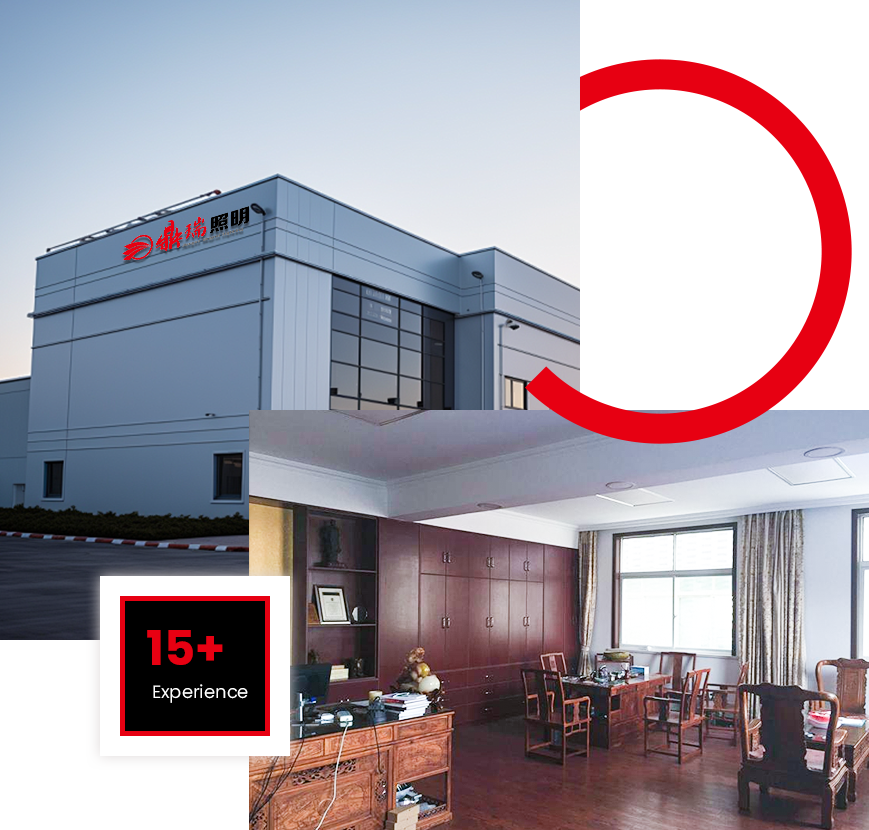
15+
Experience
Pioneering Excellence in Lighting Technology
With 15+ years of experience in professional lighting, Jiangsu Dingrui Lighting Technology Co., Ltd. develops LED lighting for commercial, industrial, outdoor applications. With 20,000+ square meters of production space, R&D, automated manufacturing, and strict quality control, we deliver reliable products with consistent performance and long service life. We are Custom Modular LED Flood Light Manufacturers.
For distributors, contractors, engineering companies, and project buyers, we focus on stable quality, energy efficiency, certification compliance, and dependable supply. Products undergo testing for optical performance, thermal stability, waterproofing, and service life, with compliance to CE, RoHS, ISO9001, and UL.
DingRui combines engineering expertise and quality management to reduce procurement risks and deliver reliable lighting across commercial, industrial, road, and landscape uses.


 Add.: Jiepai Town, Danyang City, Jiangsu Province, China.
 Tel: +86-0510-86219899
 Phone: +86-18601236320
 Email:
