 +86-0510-86219899


 English
 English
 русский
 Español


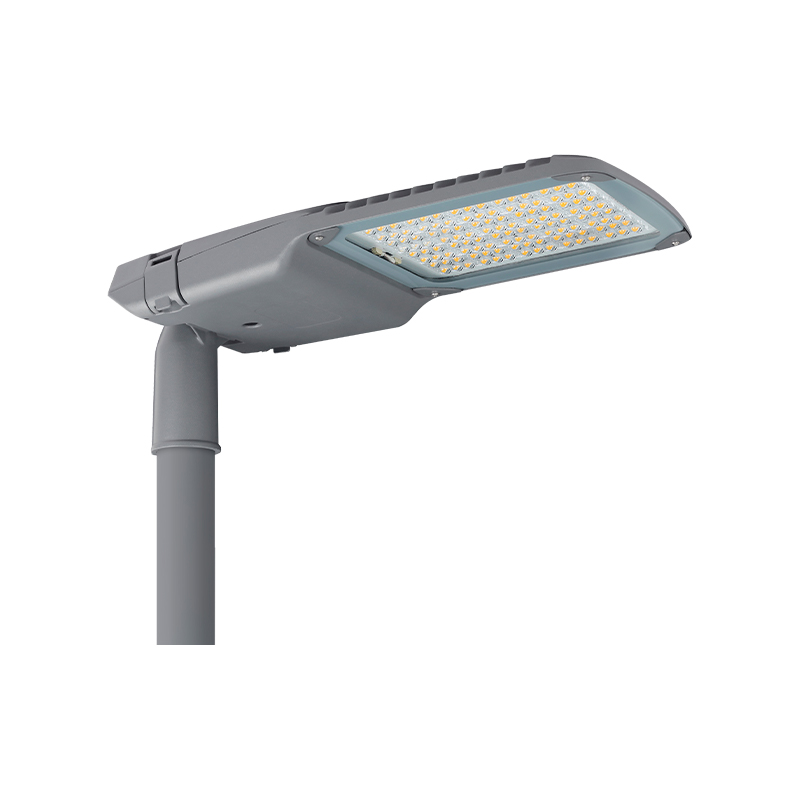
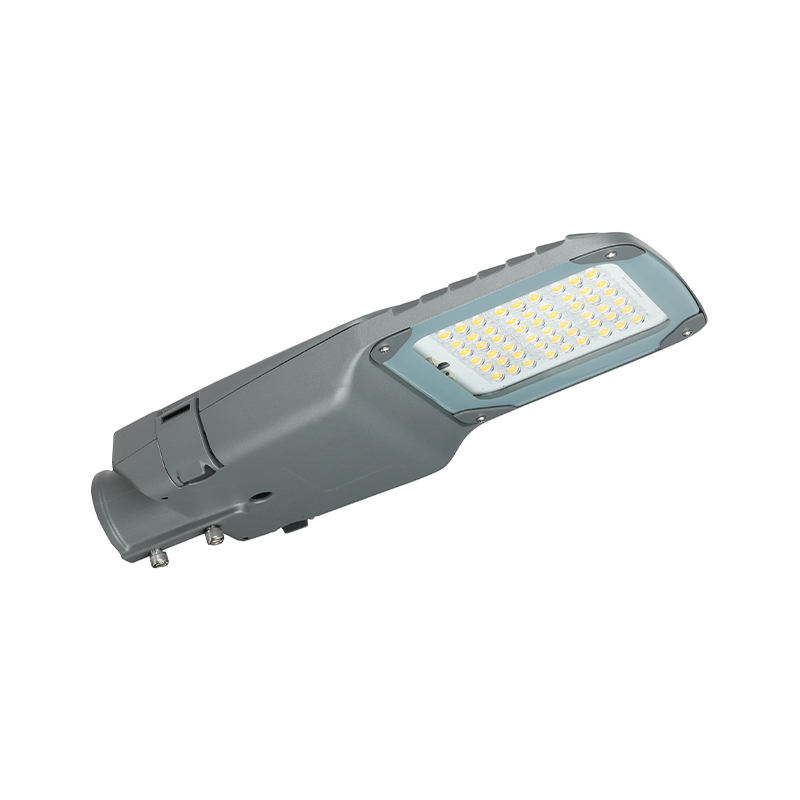
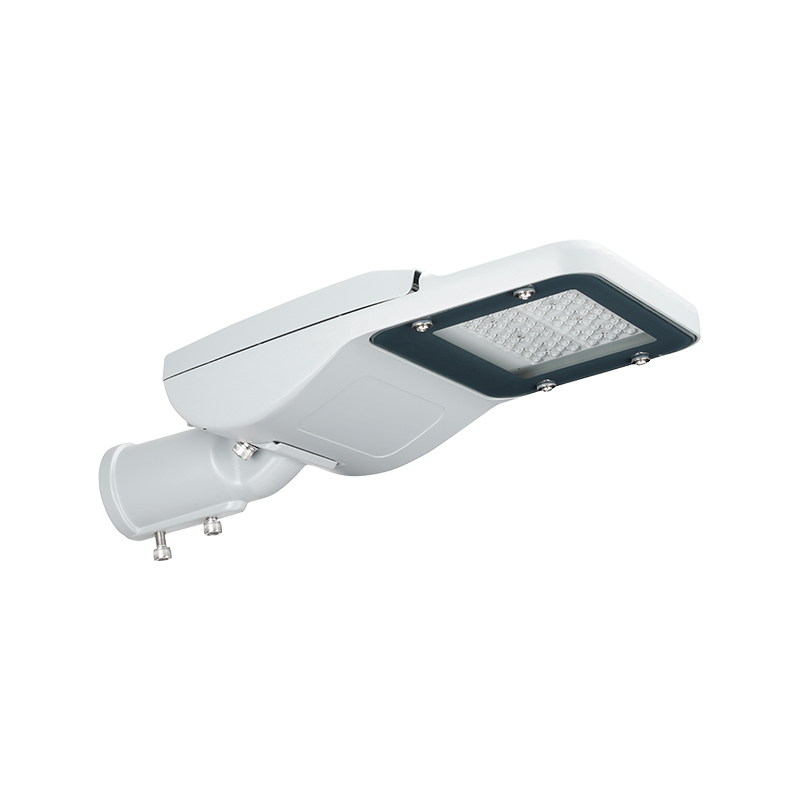
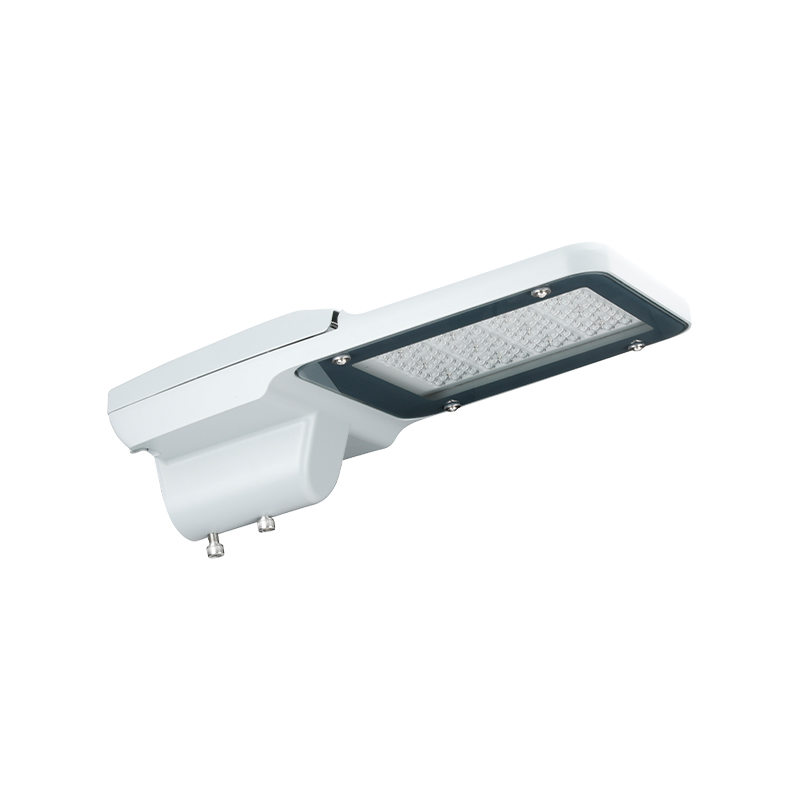
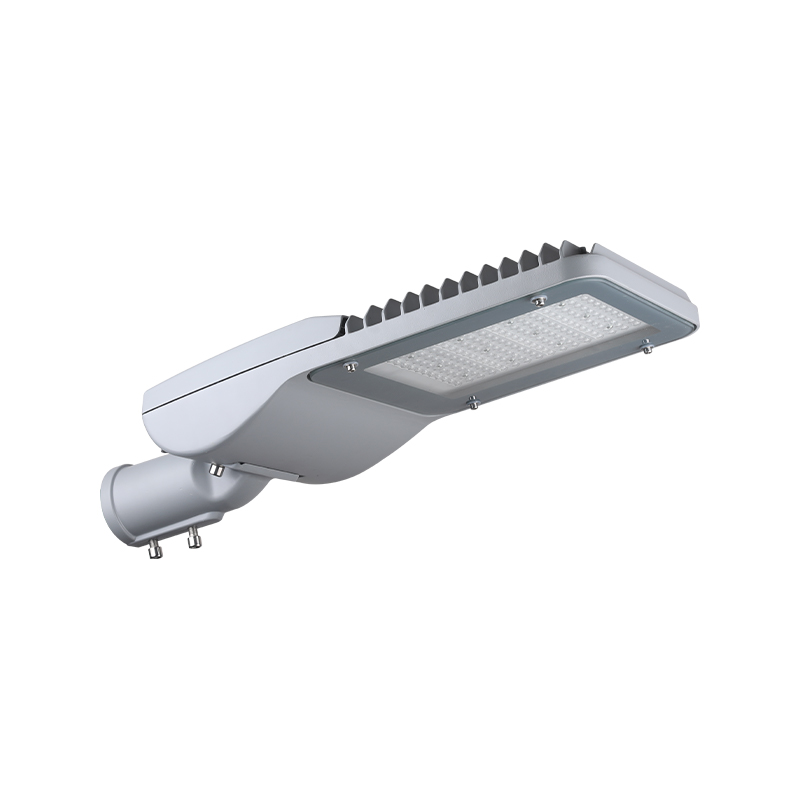
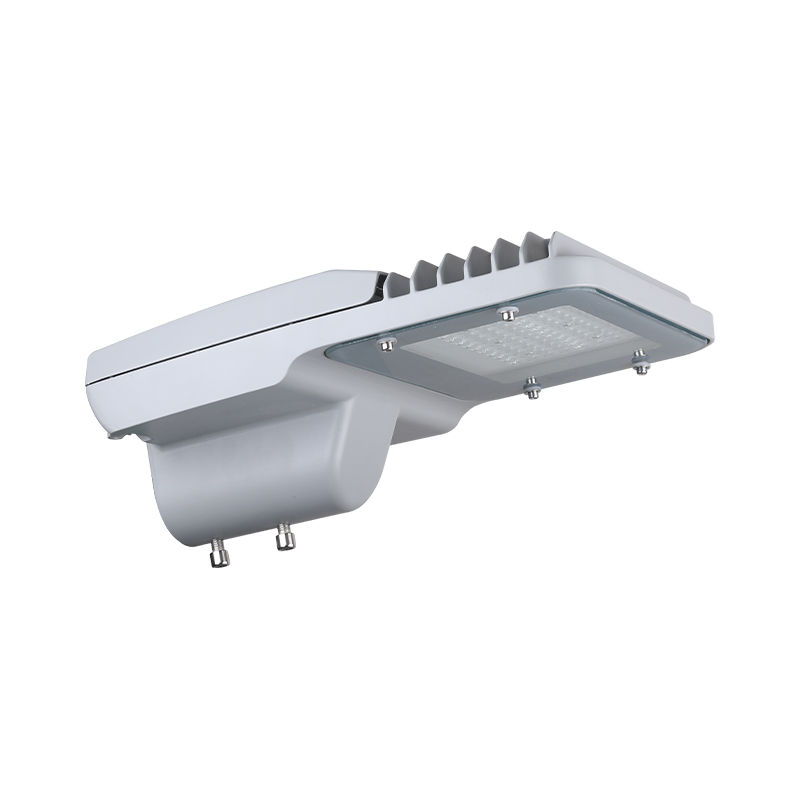
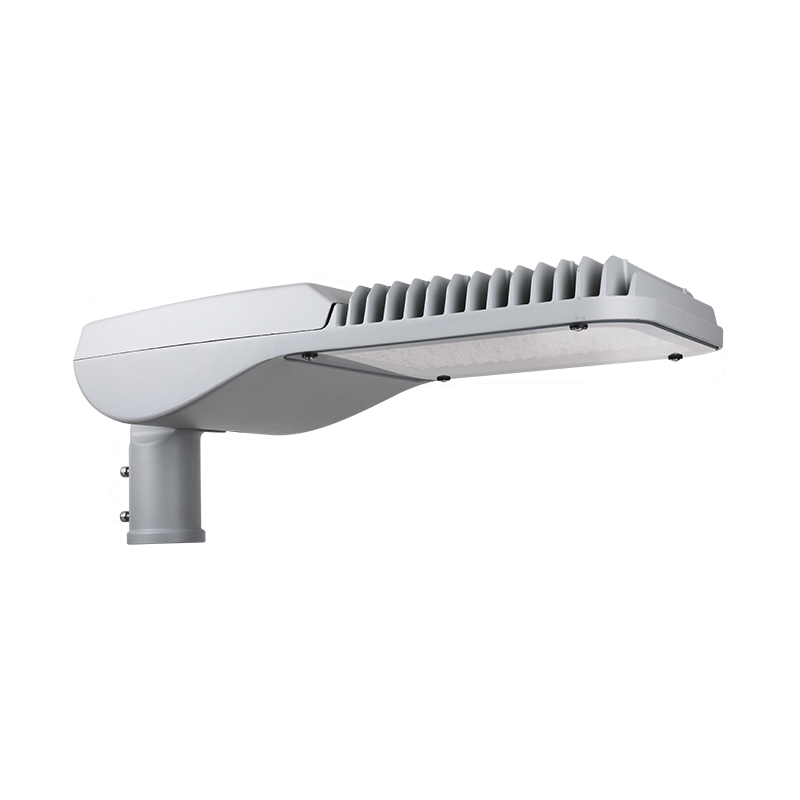
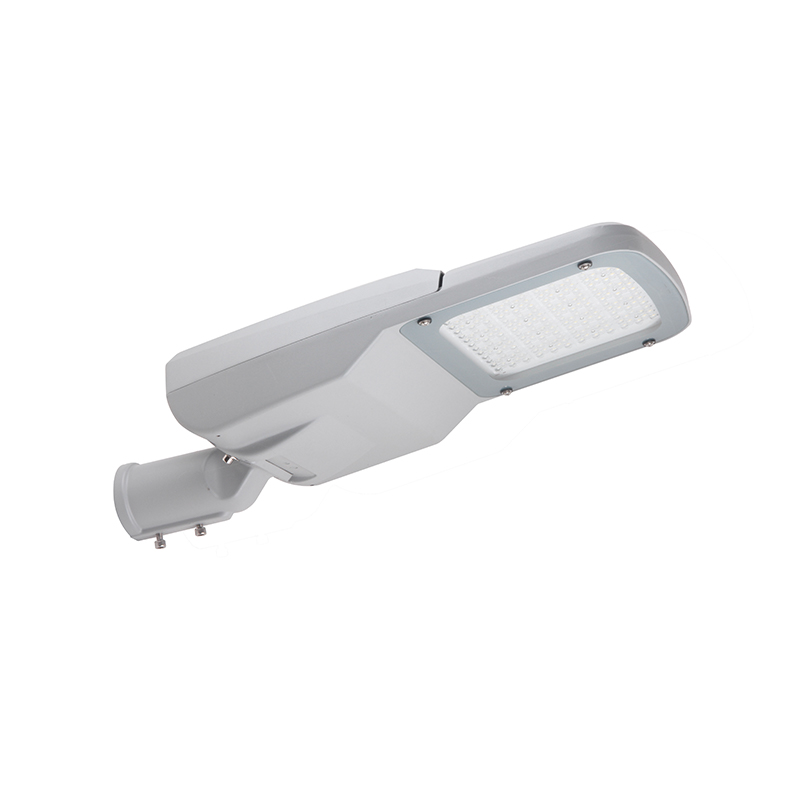
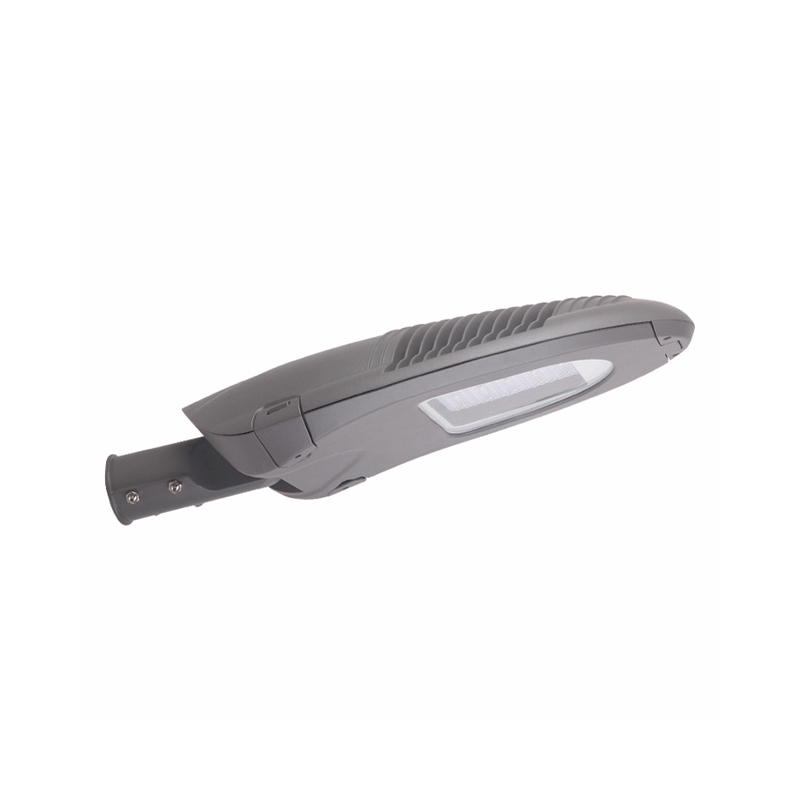
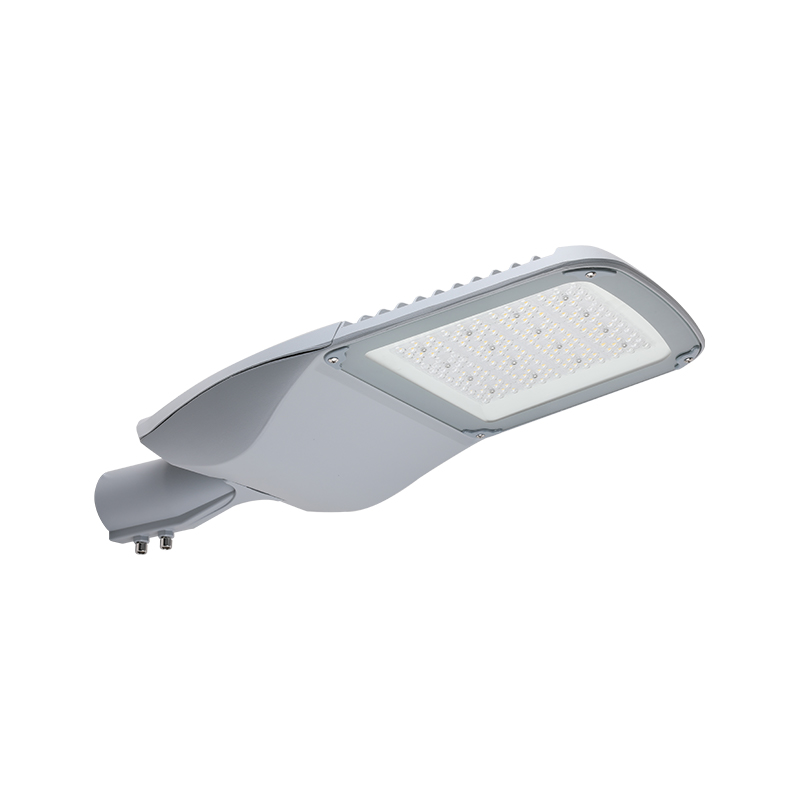
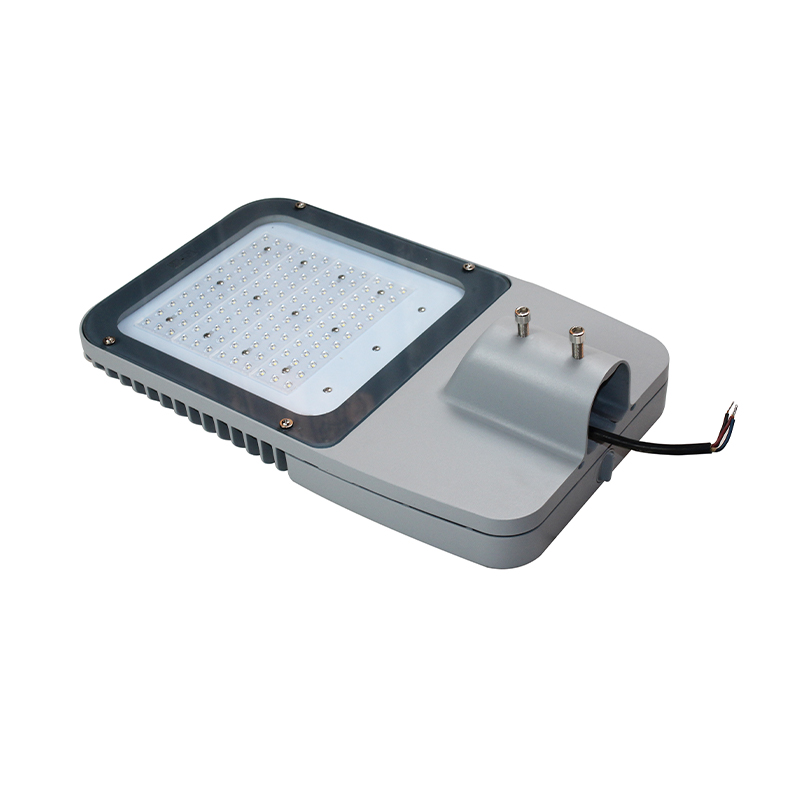
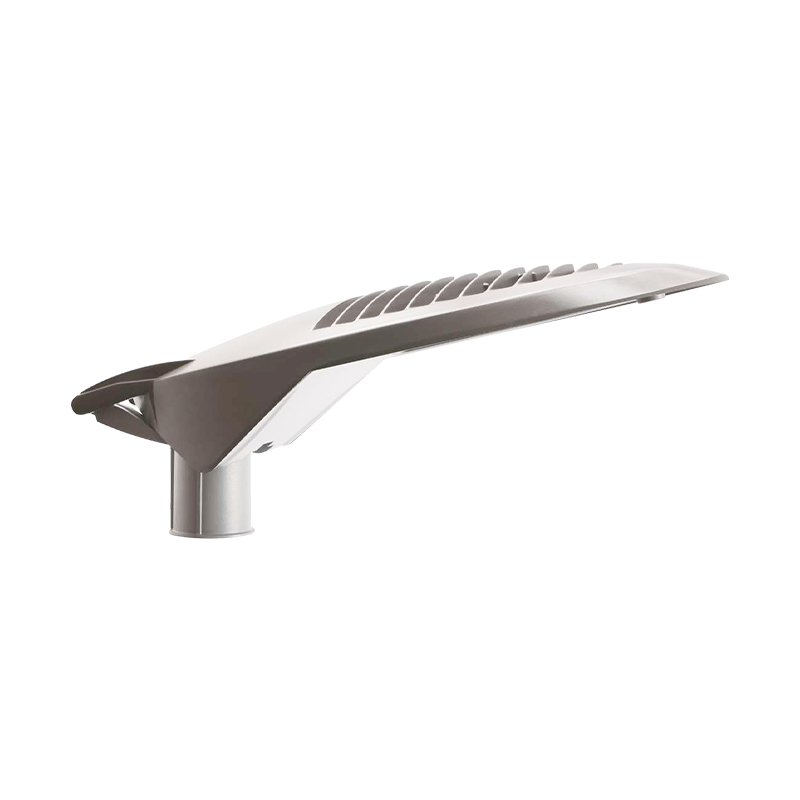
Smart City Street Luminaires
Smart city street luminaires combine LED illumination with embedded sensing, communication, and control modules. Each fixture operates as a node on a city network, reporting status, energy data, and environmental readings while accepting dimming and scheduling commands. They are deployed along roads, in districts, and across campuses where lighting infrastructure is used as a platform for broader urban services.
Control Protocol DALI / 0-10V / PWM
Communication NEMA / Zhaga / PLC
Dimming Range 1% to 100%
Sensor Interface Motion / Daylight / Environmental
System Architecture
Field Layer Luminaire with integrated driver, sensor, and controller. Executes local dimming and reports data upstream.
Network Layer Wired or wireless communication between fixtures and gateways. Supports mesh, star, and hybrid topologies.
Management Layer Central software for scheduling, fault alerts, energy reporting, and asset tracking.
Integration Layer API or protocol bridge to traffic, security, or environmental monitoring platforms.
Control Capabilities
Adaptive Dimming
Light output adjusts according to traffic volume, pedestrian presence, or time-of-night profiles.
Fault Detection
Driver faults, lamp failure, and power anomalies are reported to the management platform.
Energy Metering
Per-fixture power consumption data supports billing, reporting, and efficiency analysis.
Scene Scheduling
Multiple dimming profiles can be assigned by calendar, season, or special event.
Asset Identification
Each node carries a unique identifier for maintenance tracking and geolocation.
Over-the-Air Update
Firmware and configuration parameters can be updated remotely without site visits.
Sensor Fusion
Motion, daylight, temperature, and air quality sensors can share a common data bus.
Fail-Safe Operation
Fixtures revert to a preset brightness level if network communication is interrupted.
Deployment Considerations
A
Network Planning
Define communication topology, gateway density, and bandwidth requirements before fixture selection.
B
Interoperability Check
Confirm that the luminaire controller supports the protocols used by the city management platform.
C
Power Quality Review
Verify voltage stability and surge conditions along the feeder circuit, especially in retrofit projects.
D
Cybersecurity Review
Assess encryption, authentication, and update mechanisms for connected fixtures.
E
Commissioning
Address each node, validate sensor triggers, and confirm reporting to the central platform.
F
Lifecycle Support
Plan for spare controllers, firmware maintenance, and network expansion as the district grows.
Typical Applications
Urban Roads
Main arterials and secondary streets with traffic-adaptive dimming profiles.
Business Districts
Mixed-use areas requiring scene control and energy reporting by zone.
Industrial Parks
Perimeter and internal roads with fault monitoring and scheduled dimming.
Campus Environments
Pathways and parking areas linked to a single management interface.
Ports and Logistics
High-mast and area lighting integrated with operational scheduling.
Residential Communities
Secondary roads and common areas with presence-based illumination.
Selection Parameters
| Luminous Efficacy | Target efficacy depends on road class and required illuminance level. Confirm photometric files for the specific configuration. |
| Color Temperature | 2200K to 5700K options. Lower CCT values are used where ecological or residential considerations apply. |
| Optical Distribution | Type II, III, IV, and V distributions for different road widths and pole positions. |
| Controller Interface | NEMA 7-pin, Zhaga Book 18, or integrated controller housing. |
| Surge Protection | 10kV or higher for areas with frequent lightning or switching transients. |
| Ingress Protection | IP66 for the optical chamber. IP67 available for the controller compartment. |
| Impact Rating | IK08 or IK09 for street-level installations. Higher ratings available on request. |
| Mounting | Vertical or horizontal tenon, with adjustable tilt for post-top and side-entry configurations. |
Operation and Maintenance Notes
Record the network address and physical location of each luminaire during commissioning.
Verify that the fail-safe brightness level meets local road safety requirements.
Keep controller firmware version records to simplify troubleshooting and updates.
Inspect sensor lenses periodically to prevent dust or debris from affecting detection.
Use only compatible replacement controllers to maintain network certification.
Review energy reports monthly to identify abnormal consumption or communication dropouts.
Frequently Asked Questions
Does a smart street luminaire require a gateway
It depends on the communication method. Some fixtures use cellular or PLC connections that communicate directly with the management platform. Others use mesh or star topologies that require a gateway to aggregate data. Confirm the network design before specifying fixtures.
Can smart luminaires be retrofitted onto existing poles
Yes, provided the pole tenon diameter and mounting orientation match the fixture bracket. Retrofit projects should also verify power quality, available circuit capacity, and whether the existing wiring supports the communication method.
What happens if the network connection fails
Well-designed smart luminaires operate in fail-safe mode. The fixture maintains a preset brightness level based on local scheduling or a default setting until communication is restored. This avoids complete darkness during network outages.
Are the sensors integrated or external
Both configurations are available. Integrated sensors reduce visual clutter and simplify installation. External sensors connected through the controller interface allow easier replacement or upgrade without changing the luminaire.
How is data security handled
Security depends on the controller and platform used. Common measures include encrypted communication, authenticated device access, and signed firmware updates. Specific security features should be confirmed with the controller supplier.
Can different luminaire models share one management platform
This depends on protocol compatibility. If all fixtures support the same open protocol, such as DALI-2 or a common API, they can be managed together. Proprietary protocols may require separate interfaces or protocol converters.
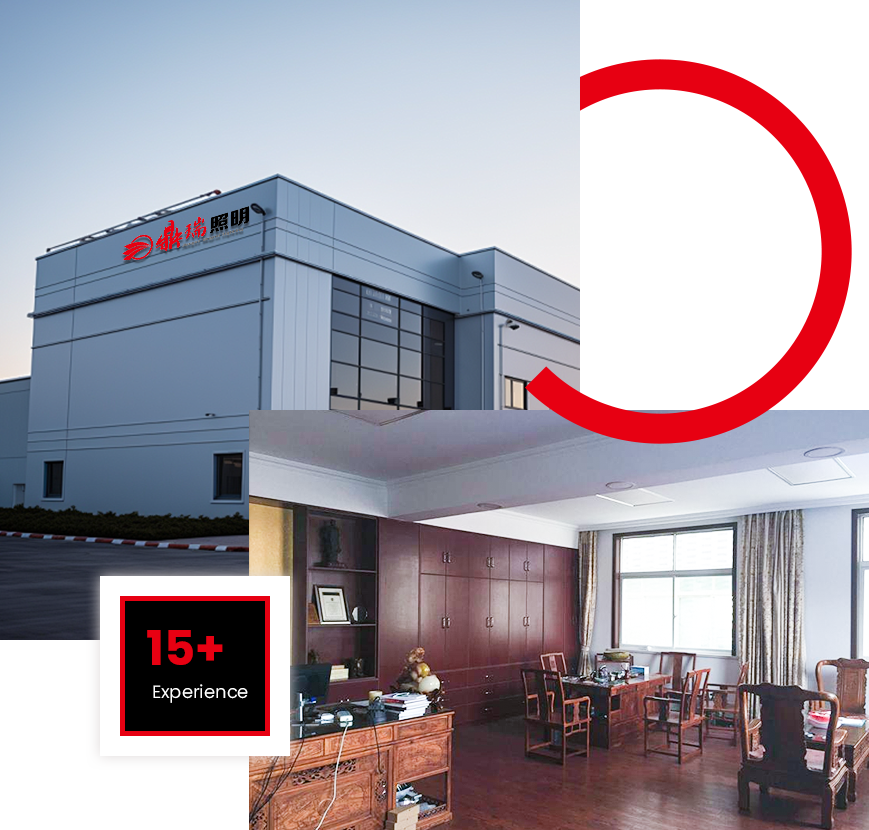
15+
Experience
Pioneering Excellence in Lighting Technology
With 15+ years of experience in professional lighting, Jiangsu Dingrui Lighting Technology Co., Ltd. develops LED lighting for commercial, industrial, outdoor applications. With 20,000+ square meters of production space, R&D, automated manufacturing, and strict quality control, we deliver reliable products with consistent performance and long service life. We are Custom Smart City Street Luminaires Manufacturers.
For distributors, contractors, engineering companies, and project buyers, we focus on stable quality, energy efficiency, certification compliance, and dependable supply. Products undergo testing for optical performance, thermal stability, waterproofing, and service life, with compliance to CE, RoHS, ISO9001, and UL.
DingRui combines engineering expertise and quality management to reduce procurement risks and deliver reliable lighting across commercial, industrial, road, and landscape uses.


 Add.: Jiepai Town, Danyang City, Jiangsu Province, China.
 Tel: +86-0510-86219899
 Phone: +86-18601236320
 Email:
