 +86-0510-86219899


 English
 English
 русский
 Español


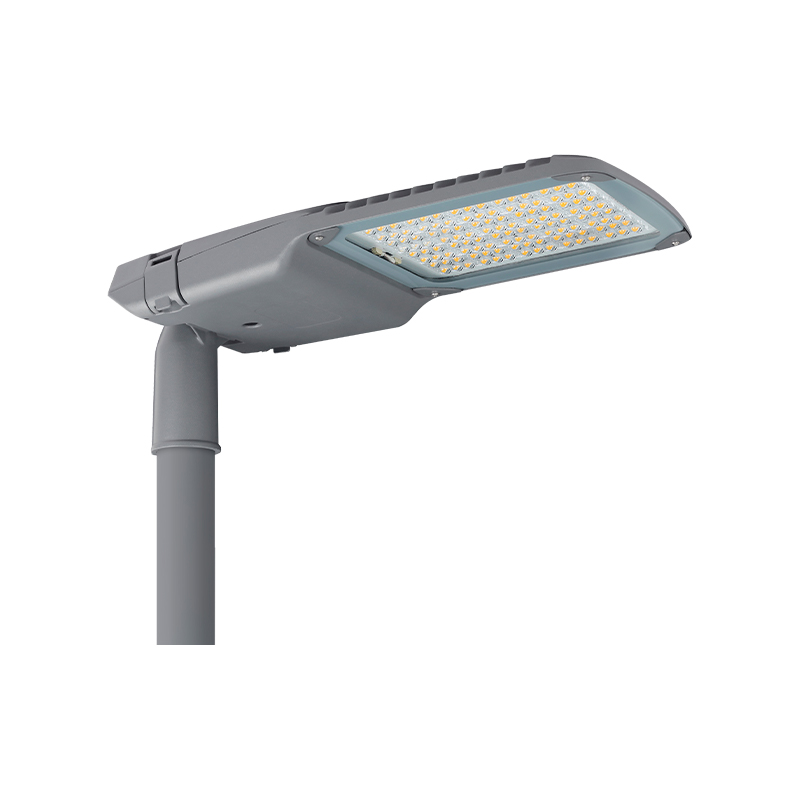
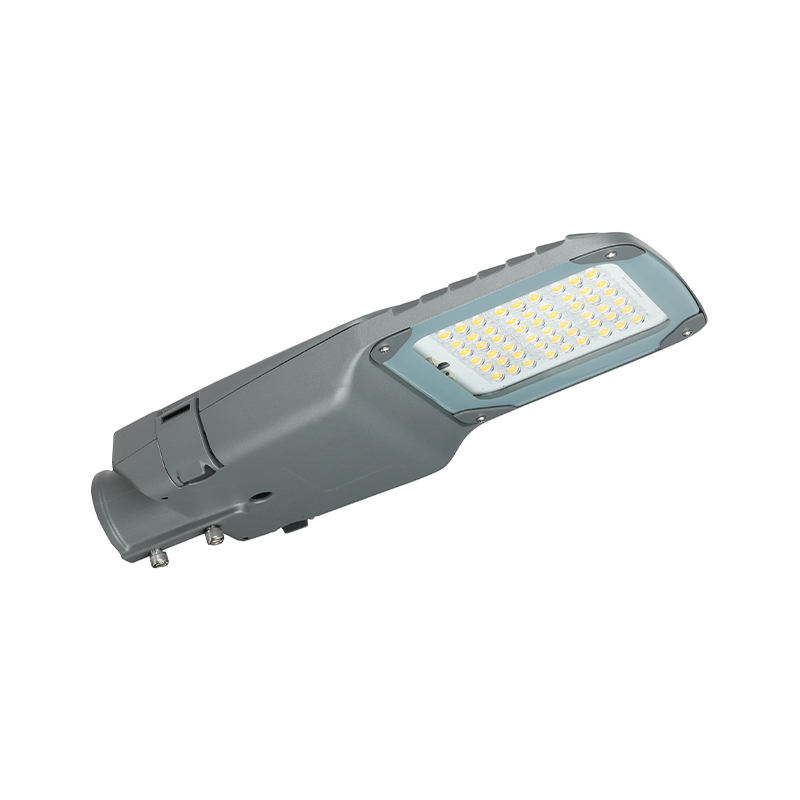
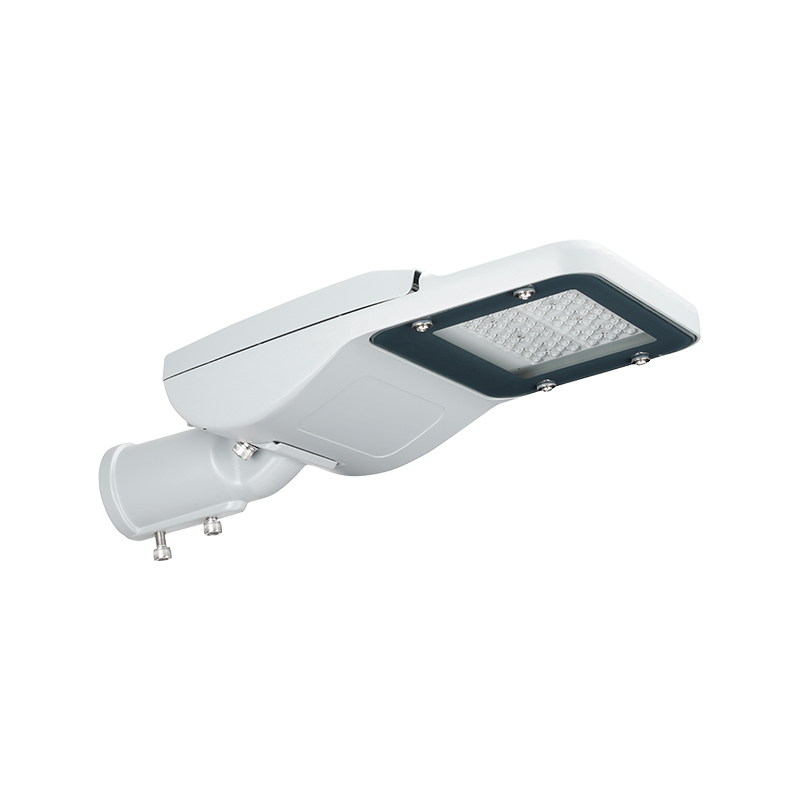
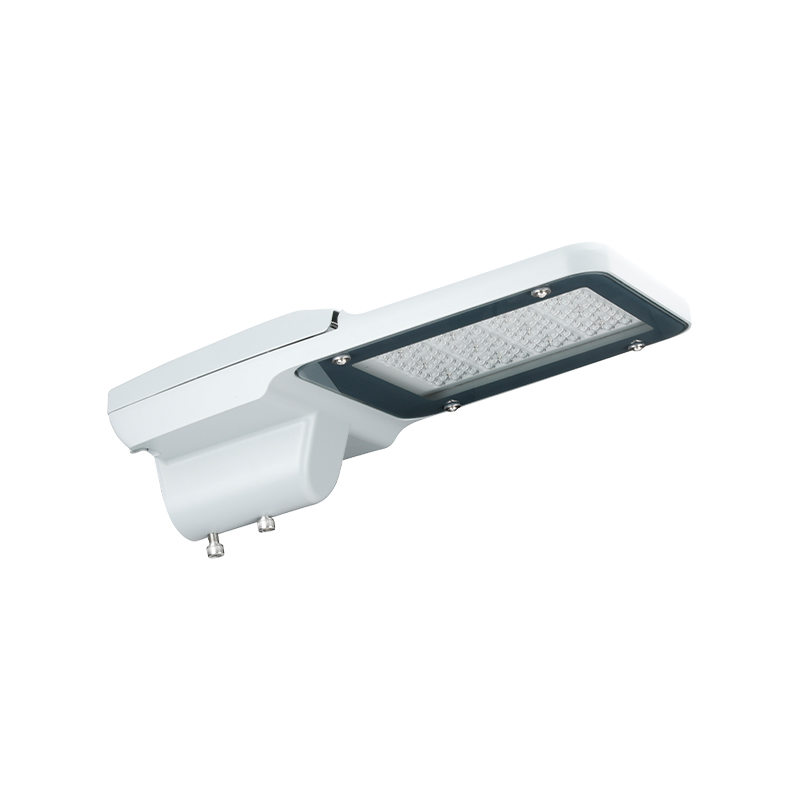
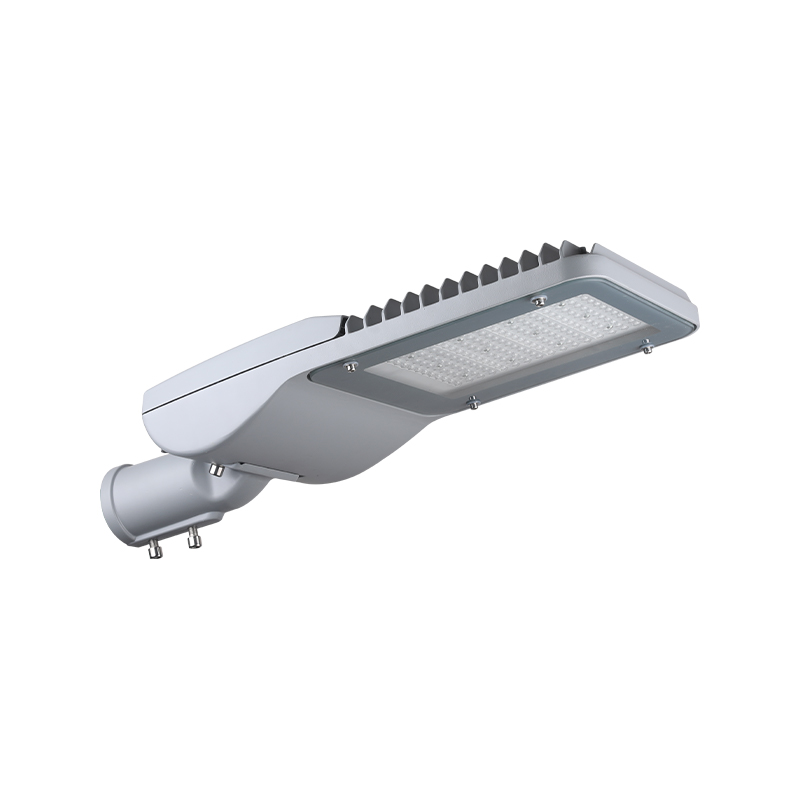
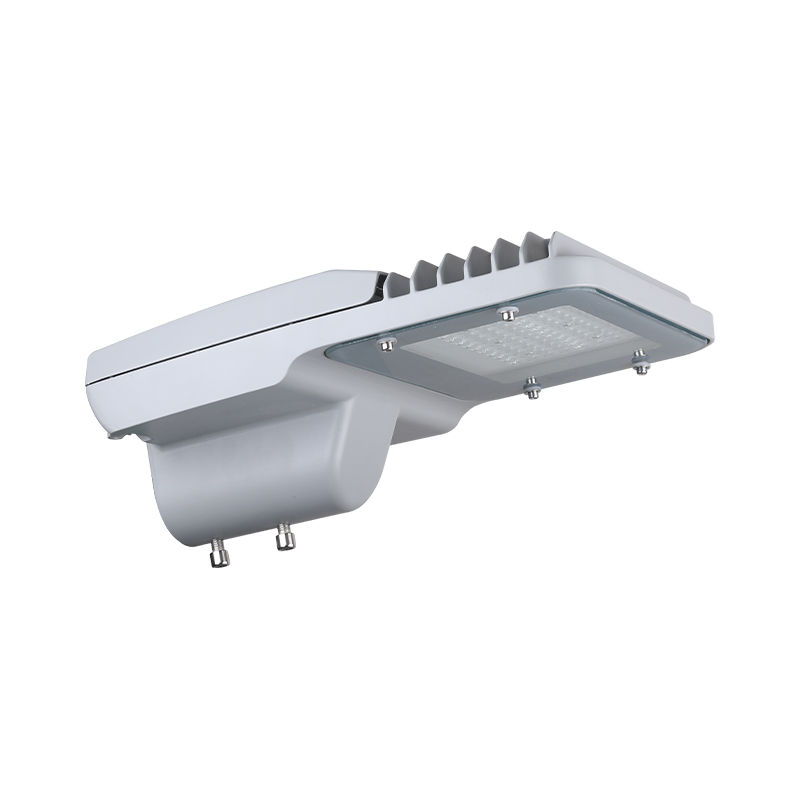
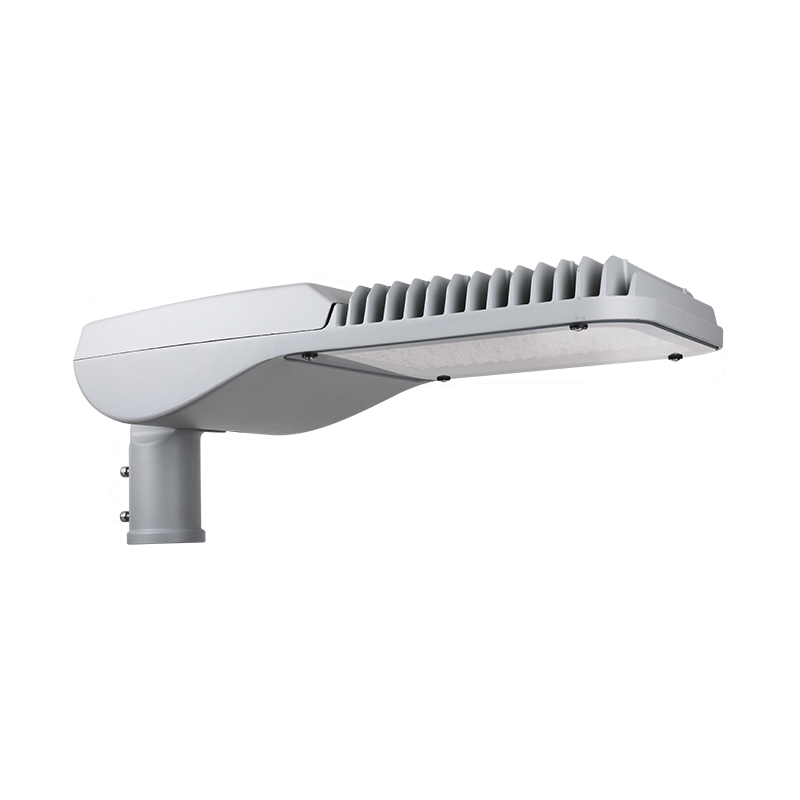
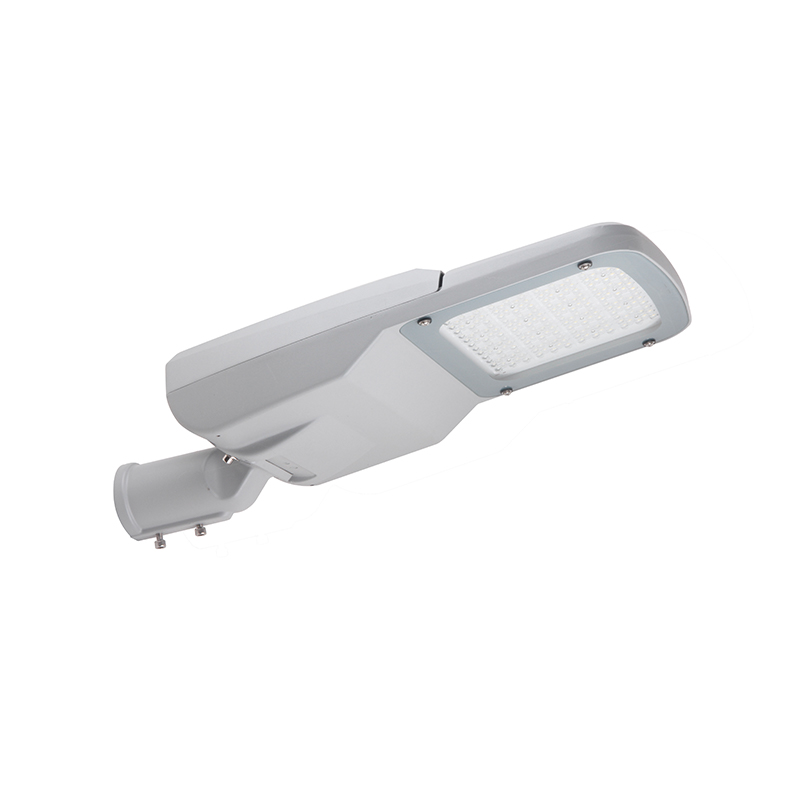
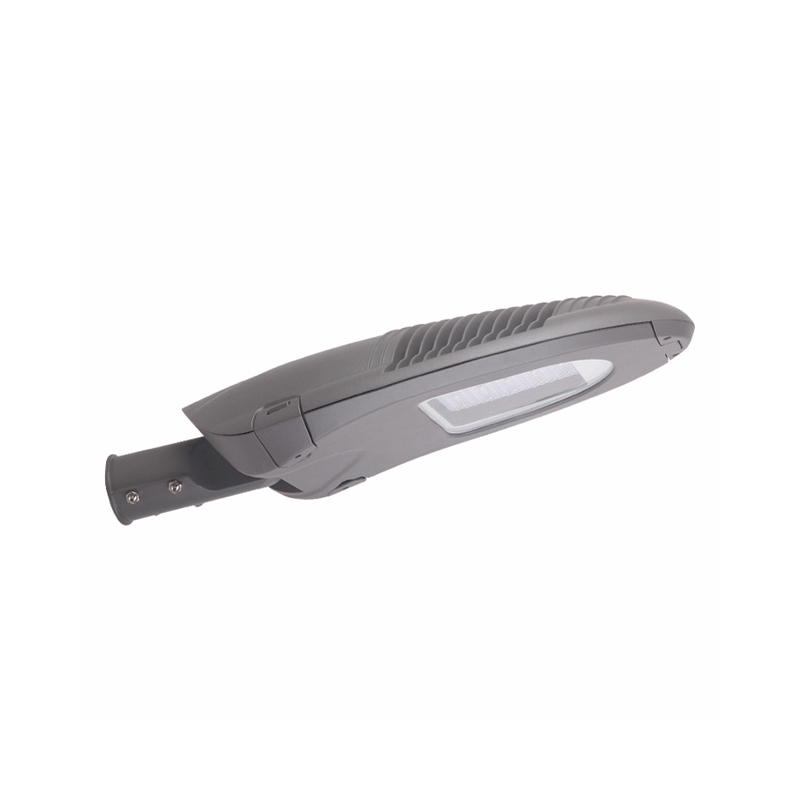
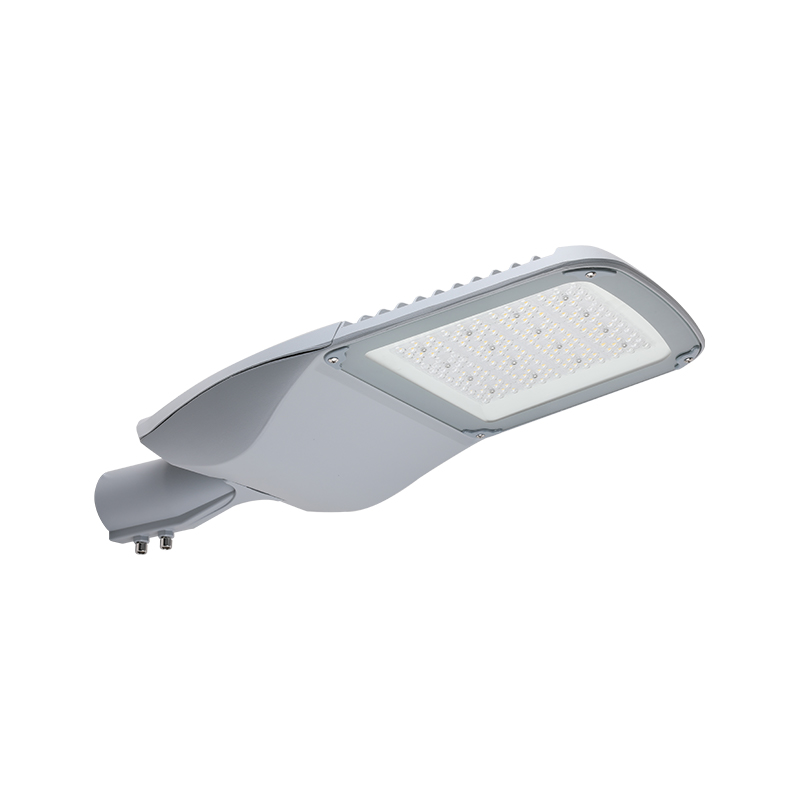
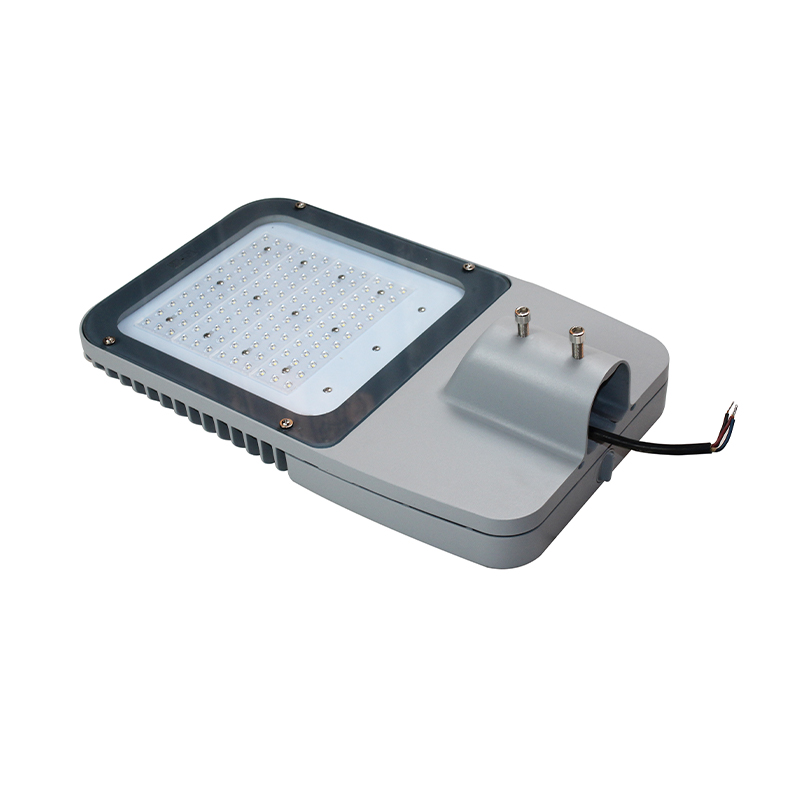
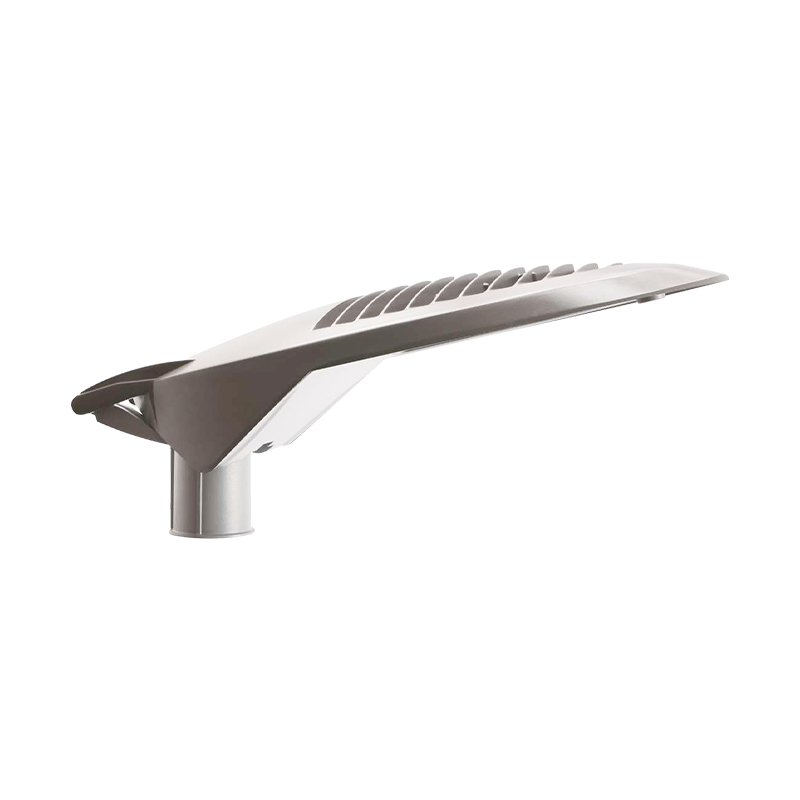
Post Top Pole Lights
Post top pole lights are luminaires mounted directly on top of a vertical pole, with the light distribution designed to spread outward and downward from the pole head. They are used for pedestrian paths, parking lots, residential streets, campuses, and public squares where the fixture is part of the visible streetscape as well as a light source.
Mounting Top of pole
Distribution Radial downward
Height Range 3m to 8m
Optics Type II to Type V
Structure Breakdown
Top
Luminaire Head
Contains the LED module, driver, and optical assembly. The housing shape determines the visual character of the installation and the degree of upward light emission.
Joint
Tenon Interface
The connection between the luminaire and the pole top. Standard tenon diameters must match the pole. Reducers are available for non-standard sizes.
Base
Pole and Foundation
Pole height, material, and wall thickness are selected according to the luminaire weight, wind load, and required mounting height.
Optical Distribution Types
| Type II | Elongated distribution along a pathway or narrow roadway. Used on pedestrian corridors and single-lane paths. |
| Type III | Asymmetric distribution for roadways and wide pathways. Common in residential streets and campus roads. |
| Type IV | Forward-throw distribution for perimeter lighting and parking area edges. |
| Type V | Symmetrical distribution for open areas such as squares, plazas, and parking lots. |
| Asymmetric | Directs light toward the target area while limiting emission toward adjacent properties or windows. |
| Full Cut-Off | Limits upward light emission for dark sky compliance and reduced glare. |
Pole Compatibility
Tenon Diameter
Confirm the outside diameter of the pole top tenon. Common sizes vary by region and pole type. Reducer sleeves allow adaptation between sizes.
Pole Material
Steel, aluminum, and fiberglass poles are available. Material affects weight capacity, corrosion behavior, and grounding requirements.
Mounting Height
Lower heights suit pedestrian areas and decorative applications. Higher heights are used for roadways and parking lots.
Wiring Access
Confirm the handhole position and internal wiring path. Access must allow connection and future maintenance without removing the pole.
Wind Load
The luminaire head adds surface area at the top of the pole. Pole and foundation must be checked against local wind speed requirements.
Grounding
Metal poles require proper grounding for electrical safety. Confirm the grounding path between the luminaire, pole, and foundation.
Technical Parameters
| Mounting Height | 3m, 4m, 5m, 6m, and 8m configurations |
| Housing Material | Die-cast aluminum with powder coating |
| Diffuser Options | Clear, frosted, or prismatic polycarbonate and glass |
| Color Temperature | 2200K, 2700K, 3000K, 4000K, and 5000K |
| Ingress Protection | IP65 and IP66 |
| Impact Rating | IK08 and IK10 options |
| Surge Protection | Available for areas with unstable power supply |
| Control | 0-10V, DALI, photocell, and motion sensor |
| Tenon Size | Standard and reducer configurations available |
Application Contexts
Pedestrian Pathways
Low mounting heights with Type II distribution for walking and cycling routes.
Residential Streets
Type III or asymmetric distribution to light the roadway while limiting light into homes.
Parking Lots
Type V distribution for open areas, or Type IV for edge lighting along building facades.
Campus Grounds
Uniform arrangement along walkways and open spaces with consistent fixture spacing.
Public Squares
Decorative housing options combined with Type V distribution for open area illumination.
Commercial Plazas
Fixtures selected for streetscape appearance as well as illuminance performance.
Installation Sequence
- 1
Verify Pole Top Condition
Inspect the tenon for corrosion, deformation, or debris. Clean the surface before mounting.
- 2
Check Tenon Fit
Confirm the luminaire fits the tenon without force. Use a reducer if the diameter does not match.
- 3
Route Wiring
Feed the supply conductors through the tenon and into the luminaire driver compartment.
- 4
Secure the Luminaire
Tighten set screws or clamping mechanism to the specified torque. Do not over-tighten.
- 5
Make Electrical Connections
Connect line, neutral, and ground according to the wiring diagram. Verify polarity.
- 6
Test Operation
Energize the circuit and confirm light output, control response, and photocell behavior if fitted.
- 7
Verify Alignment
Confirm that asymmetric luminaires are oriented toward the intended target area.
- 8
Record Installation Data
Note the pole position, mounting height, luminaire model, and control settings for future reference.
Common Questions
How do I choose the right mounting height
Mounting height depends on the area to be lit, the required illuminance level, and the spacing between poles. Pedestrian paths typically use lower heights, while roadways and parking areas use higher heights. A photometric layout should be produced for the specific project.
What is the difference between post top and side entry mounting
Post top luminaires mount on the vertical axis of the pole, with the light spreading outward and downward from the top. Side entry luminaires mount on an arm extending from the pole. Post top fixtures are often selected for their appearance in pedestrian and landscape settings.
Can post top lights be used on existing poles
Yes, provided the tenon diameter and mounting method match the existing pole. Reducer sleeves are available for diameter differences. The existing pole should also be checked for structural capacity and condition.
What distribution type is best for a parking lot
Type V is commonly used for open parking areas because it distributes light evenly in all directions. Type IV may be used along the edges of a lot or near building facades. The choice depends on pole position and layout.
Are decorative housings available
Yes. Post top luminaires are available in a range of housing shapes and finishes to match the surrounding streetscape. Optical performance should still be confirmed with photometric data for the selected housing.
How is glare controlled in post top fixtures
Glare is managed through diffuser design, shielding, and light distribution. Frosted or prismatic diffusers reduce luminance at high viewing angles. Full cut-off designs limit upward emission. Mounting height and spacing also affect glare perception.
Maintenance Notes
Inspect the tenon connection for tightness after the first month of operation.
Clean the diffuser periodically with a soft, damp cloth to maintain light output.
Check the pole surface for corrosion, particularly at the base and near the tenon.
Verify that the gasket remains seated after any maintenance on the driver compartment.
Confirm grounding continuity between the luminaire, pole, and foundation.
Record luminaire model and control settings for replacement reference.

15+
Experience
Pioneering Excellence in Lighting Technology
With 15+ years of experience in professional lighting, Jiangsu Dingrui Lighting Technology Co., Ltd. develops LED lighting for commercial, industrial, outdoor applications. With 20,000+ square meters of production space, R&D, automated manufacturing, and strict quality control, we deliver reliable products with consistent performance and long service life. We are Custom Post Top Pole Lights Manufacturers.
For distributors, contractors, engineering companies, and project buyers, we focus on stable quality, energy efficiency, certification compliance, and dependable supply. Products undergo testing for optical performance, thermal stability, waterproofing, and service life, with compliance to CE, RoHS, ISO9001, and UL.
DingRui combines engineering expertise and quality management to reduce procurement risks and deliver reliable lighting across commercial, industrial, road, and landscape uses.


 Add.: Jiepai Town, Danyang City, Jiangsu Province, China.
 Tel: +86-0510-86219899
 Phone: +86-18601236320
 Email:
