 +86-0510-86219899


 English
 English
 русский
 Español


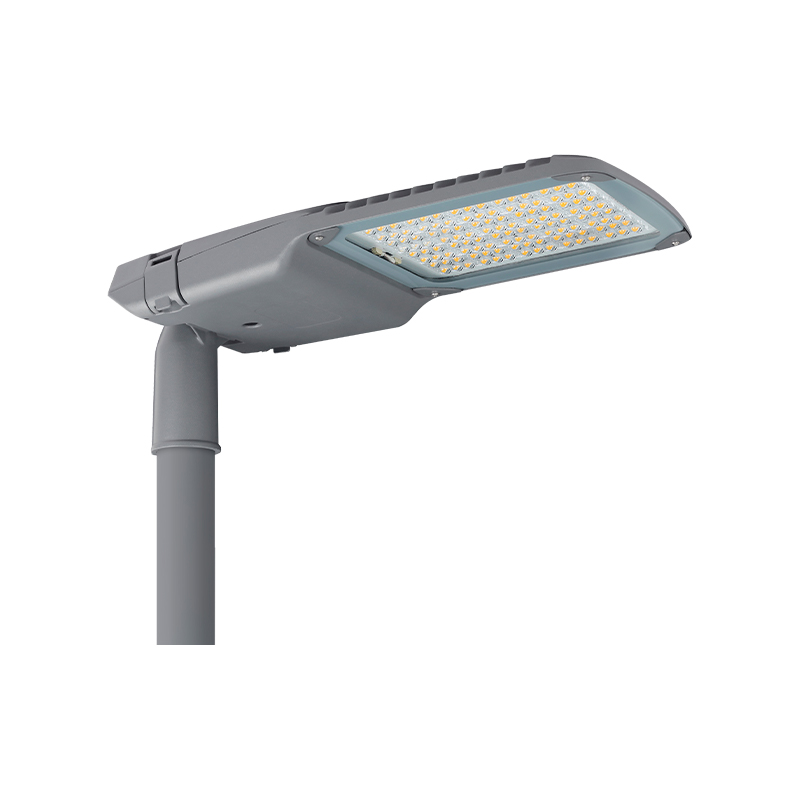
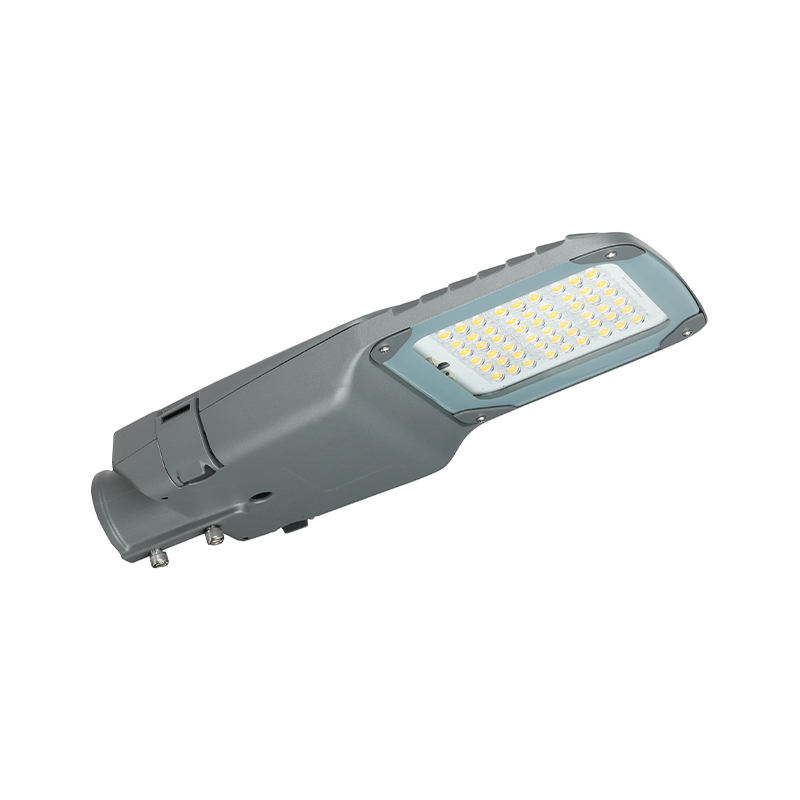
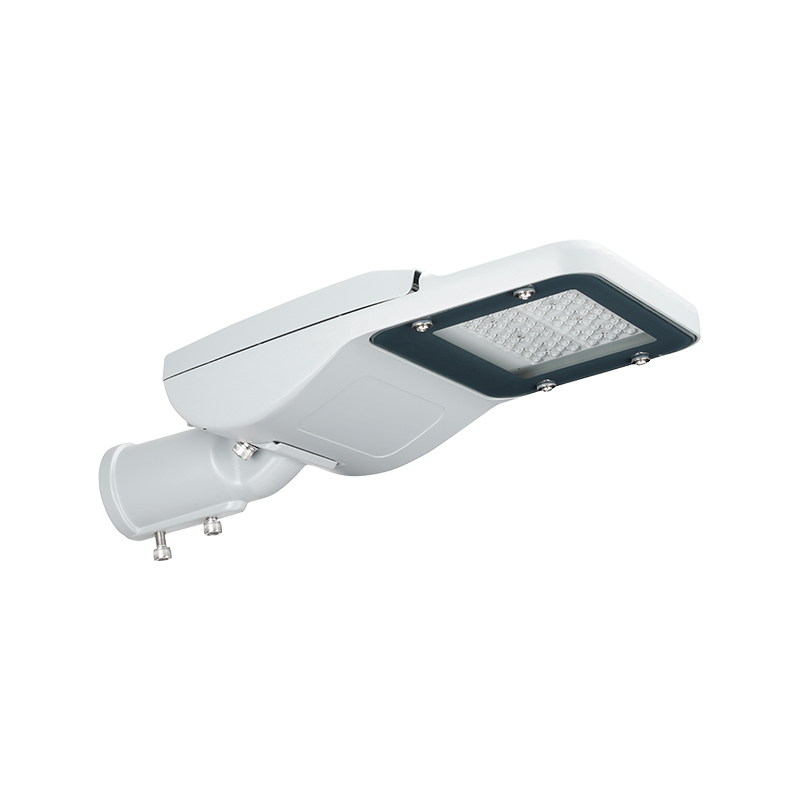
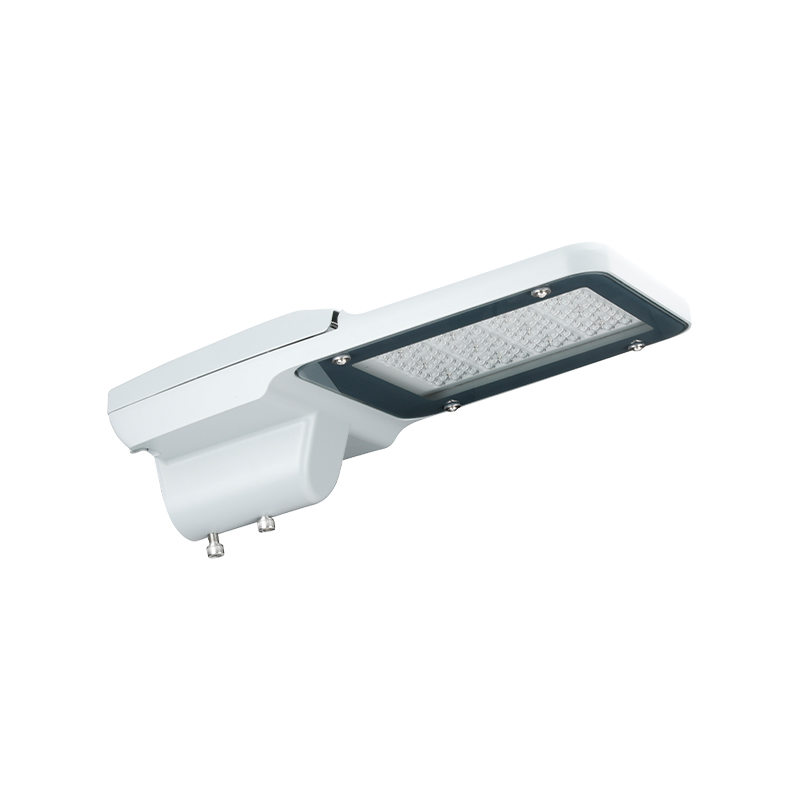
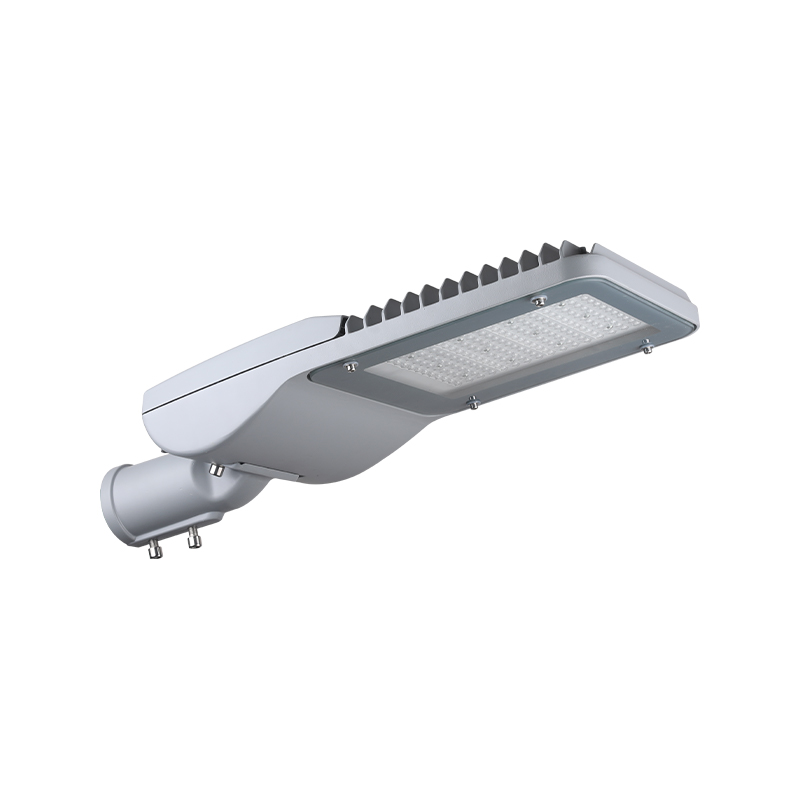
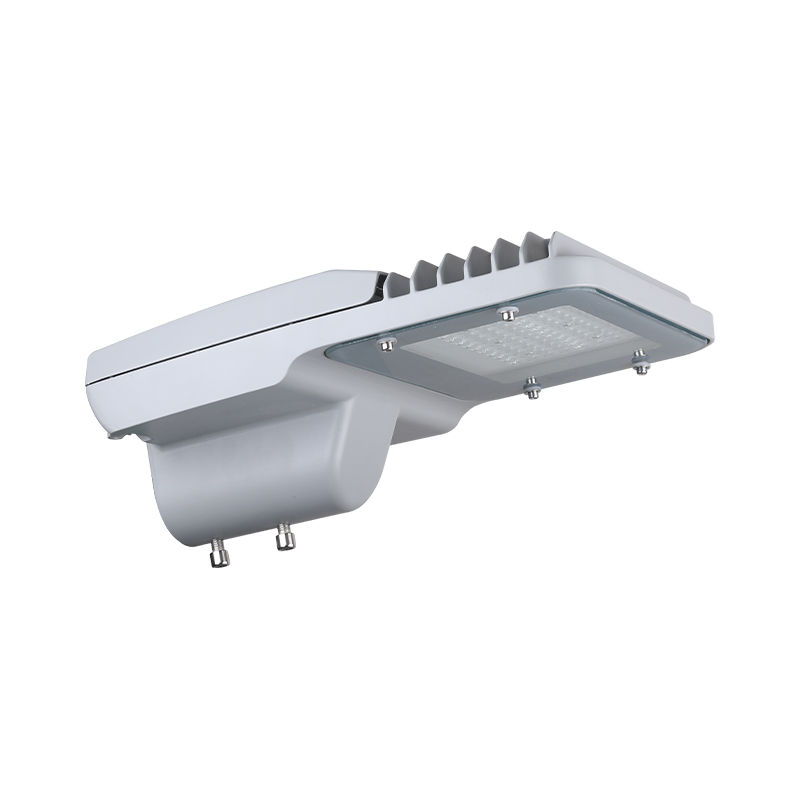
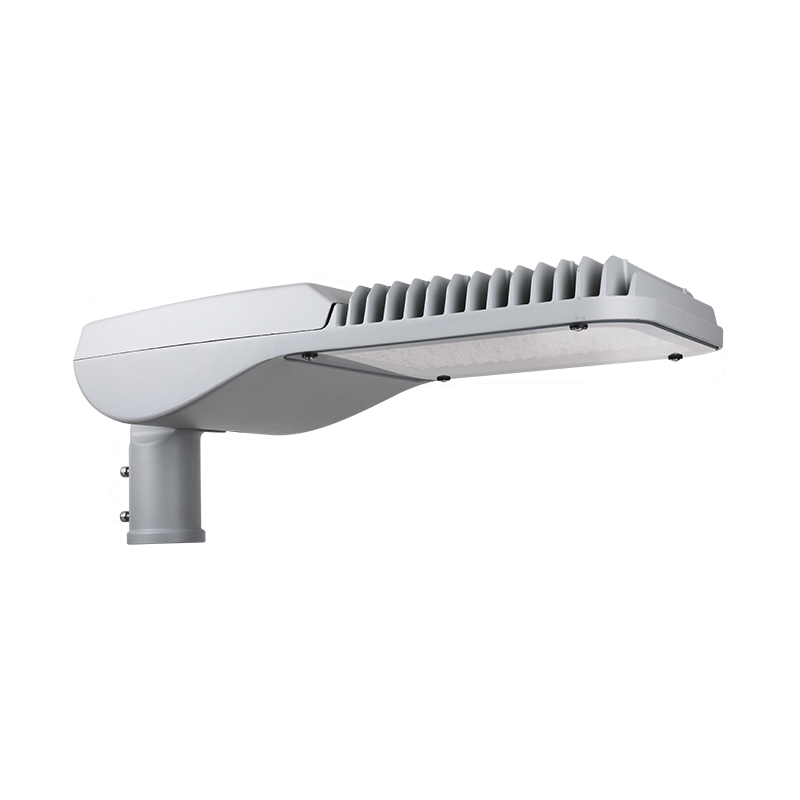
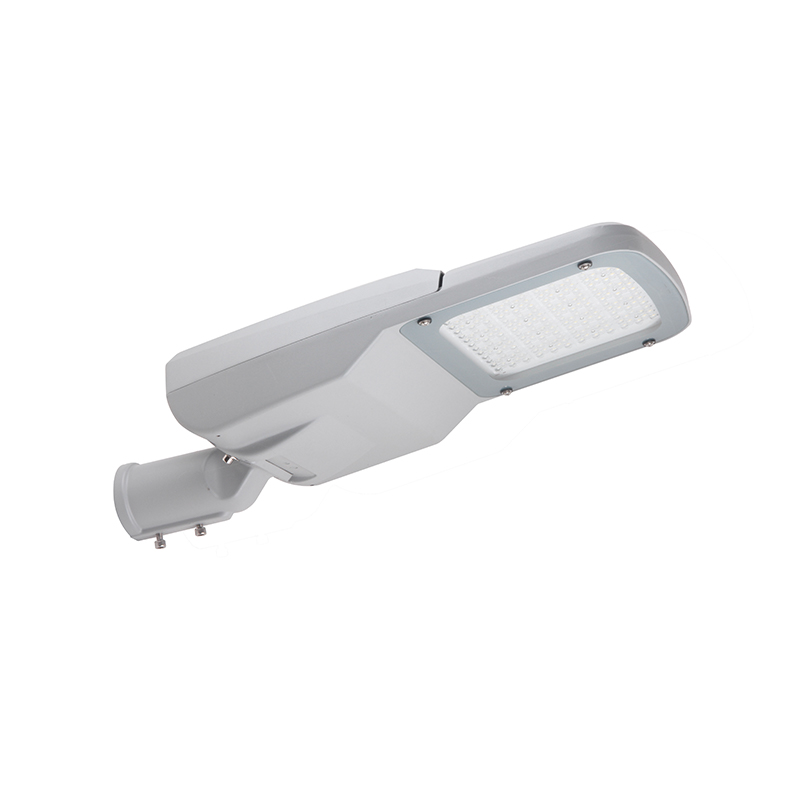
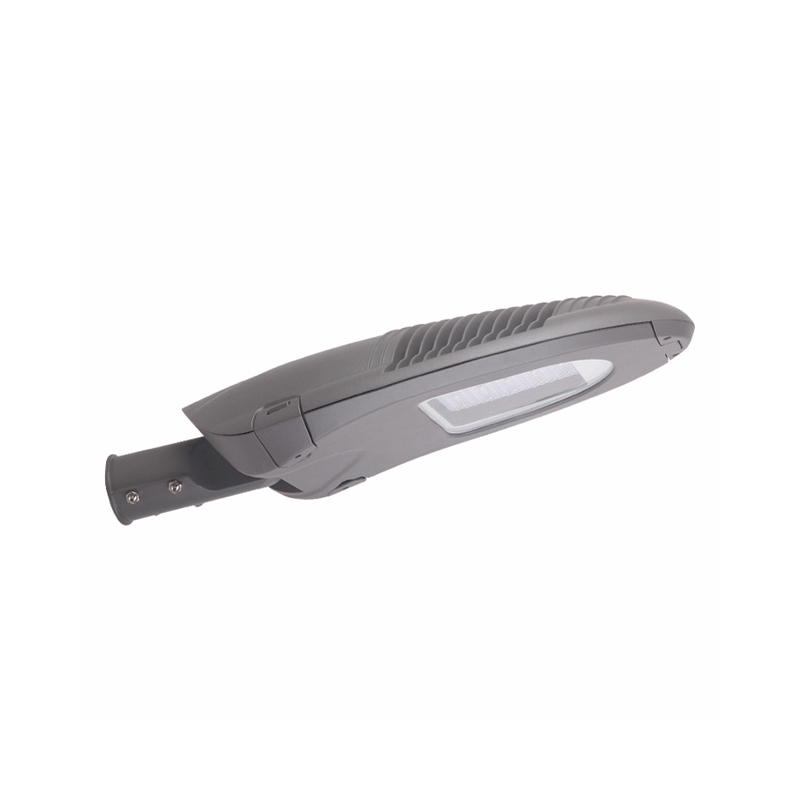
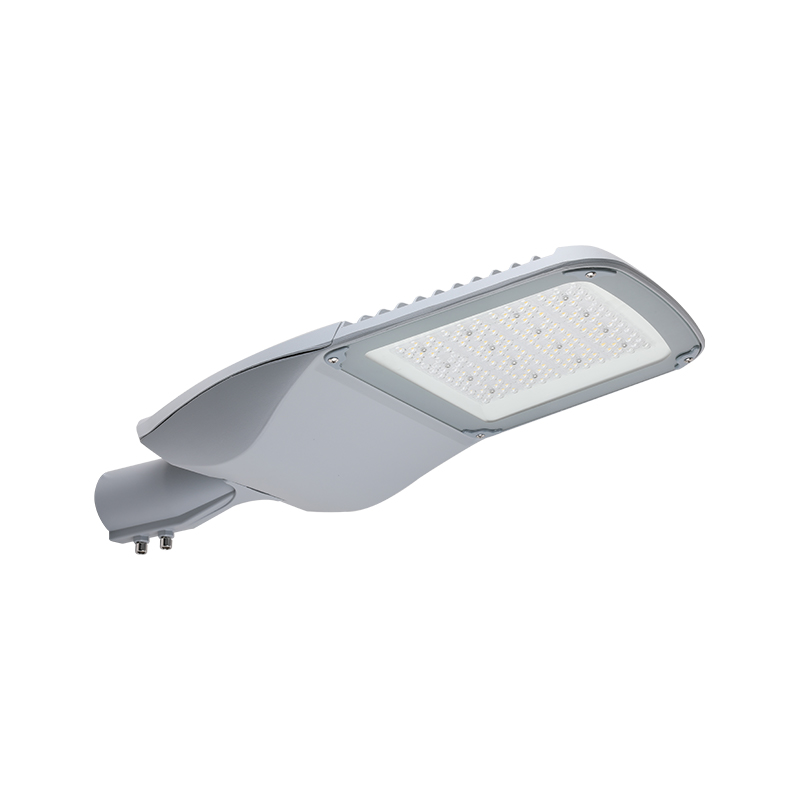
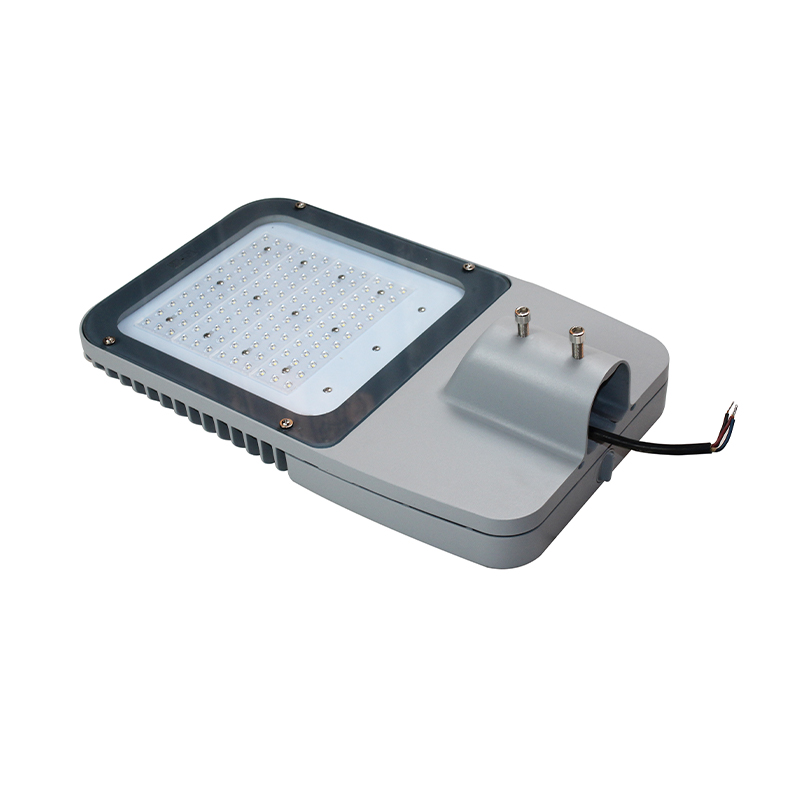
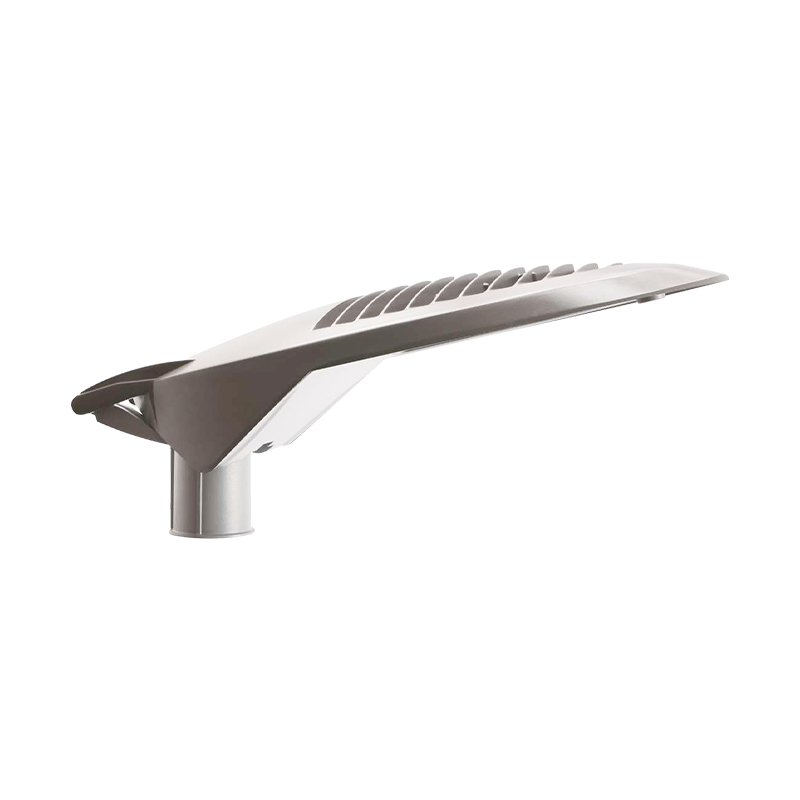
Low Glare Commercial Lighting
Luminaires engineered to limit direct and reflected glare in offices, meeting rooms, retail spaces, and educational facilities. The optical system controls luminance at high viewing angles, reducing visual discomfort while maintaining the illuminance levels required by commercial interiors.
Glare Metric UGR under 19
Luminance Control Shielded LED array
Optical Cover Microprismatic diffuser
Color Rendering Ra above 80
Understanding Glare in Commercial Spaces
Direct Glare
Occurs when a light source or its reflected image falls within the viewer field of vision at a luminance significantly higher than the surrounding surfaces. In open offices, exposed LED arrays and polished reflectors are common sources.
Reflected Glare
Appears on glossy surfaces such as monitors, glass partitions, and polished desks. It is influenced by luminaire position, beam direction, and the reflectance of the work surface.
Both types affect task performance and visual comfort. The UGR value, defined in EN 12464-1, provides a numeric reference for evaluating glare in interior workplaces. Lower UGR values indicate reduced glare perception.
Optical Design Approach
Recessed LED Positioning
LEDs are set back from the diffuser plane to limit direct view of the light source at normal viewing angles.
Microprismatic Optics
Prismatic structure redirects light downward and diffuses high-angle emission to reduce luminance peaks.
Cross Blade Louvers
Parabolic or cross-blade louvers cut off light at angles that typically cause discomfort.
Diffuse Reflector Chamber
Mixed reflection inside the housing produces even light distribution without bright focal points.
Matte Surface Finish
Low-gloss materials on visible surfaces reduce specular reflections from surrounding light.
Beam Shaping
Asymmetric and wide distributions place light on the task area while limiting emission toward eye level.
Technical Parameters
| UGR Range | UGR 16 to UGR 19 depending on model and installation |
| Luminous Efficacy | Selected to meet illuminance targets with reduced fixture density |
| Color Temperature | 3000K, 4000K, and 5000K |
| Color Rendering | Ra above 80, with higher CRI options available |
| Diffuser Material | Microprismatic polycarbonate or acrylic |
| Housing | Steel or aluminum body with matte finish |
| Mounting | Recessed, surface, suspended, and track configurations |
| Control | 0-10V, DALI, and sensor integration |
| Flicker | Driver selected for low output ripple |
Applications by Space Type
Open Offices
Low UGR values reduce discomfort for occupants seated facing rows of luminaires.
Meeting Rooms
Controlled luminance limits glare on video screens and conference tables.
Classrooms
Uniform distribution with limited high-angle brightness supports reading and board visibility.
Retail Areas
Shielded optics reduce glare on merchandise and display surfaces while maintaining accent contrast.
Healthcare Corridors
Matte finishes and diffuse output limit reflective glare on polished floors.
Reception and Lobbies
Suspended and recessed options maintain visual comfort in areas with glass and stone surfaces.
Evaluation Checklist
- 1
Define the Task and Viewing Directions
Identify where occupants sit, stand, or look. Glare perception depends on the angle between the eye, the luminaire, and the task surface.
- 2
Check the UGR Requirement
Reference the applicable standard for the space type. Offices and classrooms typically specify UGR limits in the range of 16 to 19.
- 3
Review Surface Reflectance
Glossy desks, screens, and partitions increase reflected glare. Consider luminaire position relative to these surfaces.
- 4
Verify Luminance at High Angles
Request luminance data at 65 degrees and above from the nadir. Lower values at these angles correspond to reduced glare.
- 5
Confirm Driver Flicker Performance
Visible flicker can contribute to visual fatigue independently of glare. Confirm the driver output ripple specification.
- 6
Review Maintenance Access
Diffuser and louver surfaces collect dust over time, which affects light distribution. Confirm that optical components can be cleaned or replaced.
Common Questions
What UGR value is considered low glare
UGR values below 19 are generally specified for offices, classrooms, and similar task environments. Values below 16 are used where visual comfort requirements are stricter. The appropriate value depends on the space type and the applicable standard.
Does low glare reduce light output
Not necessarily. Glare control is achieved through optical design, shielding, and light distribution rather than simply lowering output. A well-designed low glare luminaire can deliver the required illuminance on the task surface while limiting luminance at high viewing angles.
Are microprismatic diffusers better than louvers
They serve different purposes. Microprismatic diffusers provide diffuse, uniform output and are common in general office lighting. Louvers and cross-blade systems offer stronger cutoff and directional control. The choice depends on the viewing angles and the task layout.
Can low glare fixtures be used with dimming and sensors
Yes. Low glare luminaires are available with 0-10V dimming, DALI, and integrated sensors. Confirm that the selected driver and control module are compatible with the intended system.
How does color temperature affect glare perception
Higher color temperatures contain more short-wavelength content, which can increase perceived glare at the same luminance level. In spaces where comfort is a priority, 3000K or 4000K is often selected over 5000K.
What maintenance is required for low glare optics
Optical surfaces should be cleaned periodically with a soft, dry cloth. In dusty environments, the interval should be shortened. Do not use abrasive cleaners on microprismatic or matte surfaces, as this can alter light distribution.
Handling Notes
Handle the diffuser and louver assembly with clean gloves to avoid surface contamination.
Store fixtures in the original packaging before installation to prevent optical surface damage.
Verify the installation orientation matches the photometric data provided for the layout.
Do not block the diffuser with signage, brackets, or decorative elements after installation.
Check that the driver compartment has adequate ventilation in insulated ceiling constructions.
Retain photometric files for future layout revisions or expansion projects.
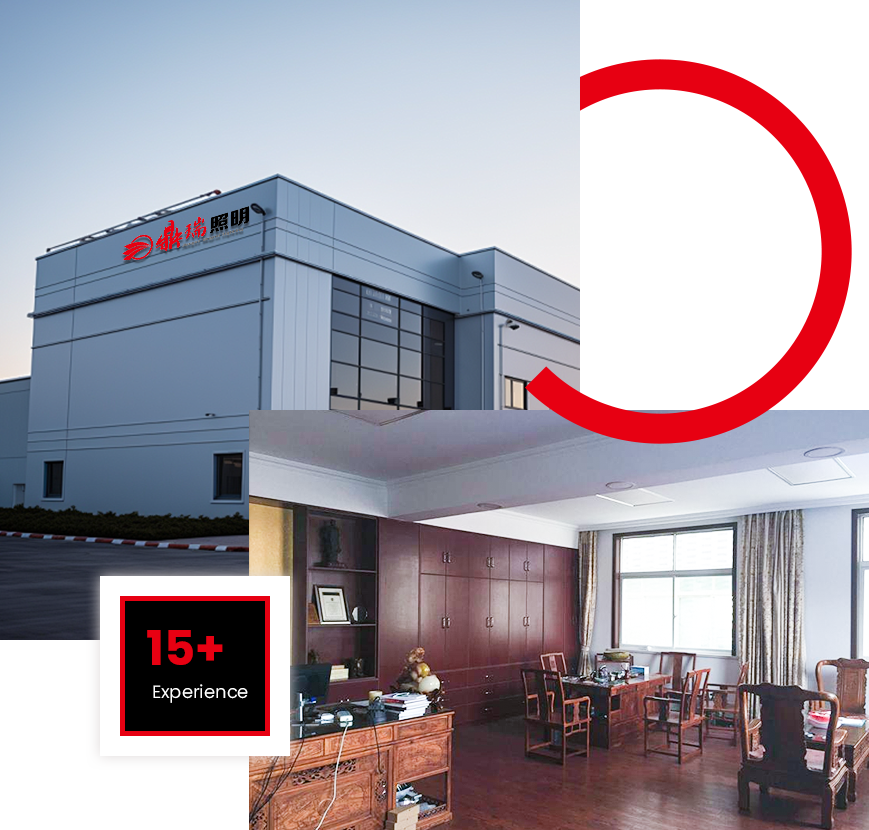
15+
Experience
Pioneering Excellence in Lighting Technology
With 15+ years of experience in professional lighting, Jiangsu Dingrui Lighting Technology Co., Ltd. develops LED lighting for commercial, industrial, outdoor applications. With 20,000+ square meters of production space, R&D, automated manufacturing, and strict quality control, we deliver reliable products with consistent performance and long service life. We are Custom Low Glare Commercial Lighting Manufacturers.
For distributors, contractors, engineering companies, and project buyers, we focus on stable quality, energy efficiency, certification compliance, and dependable supply. Products undergo testing for optical performance, thermal stability, waterproofing, and service life, with compliance to CE, RoHS, ISO9001, and UL.
DingRui combines engineering expertise and quality management to reduce procurement risks and deliver reliable lighting across commercial, industrial, road, and landscape uses.


 Add.: Jiepai Town, Danyang City, Jiangsu Province, China.
 Tel: +86-0510-86219899
 Phone: +86-18601236320
 Email:
