 +86-0510-86219899


 English
 English
 русский
 Español


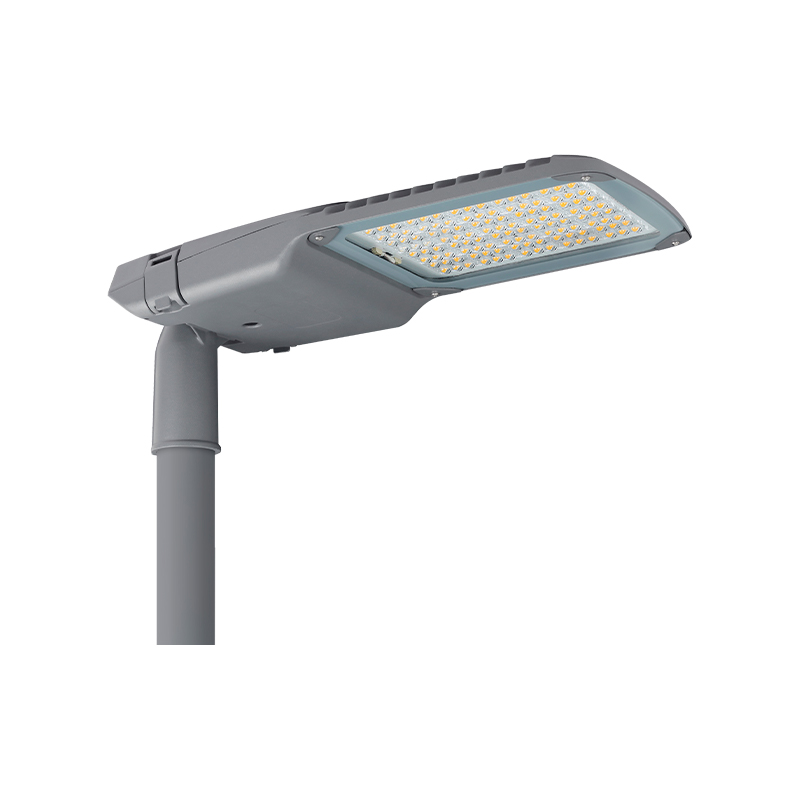
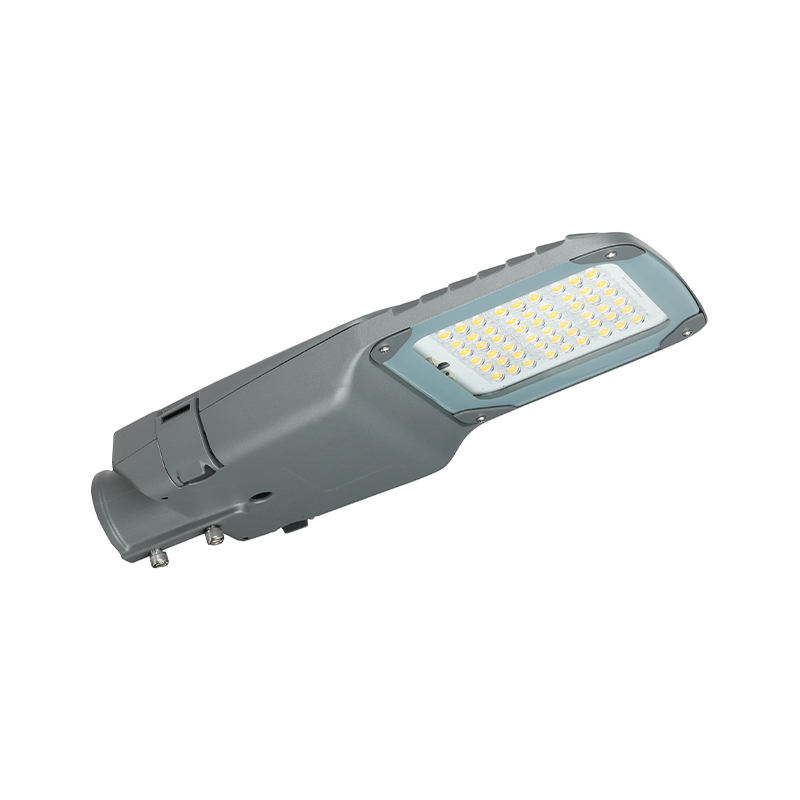
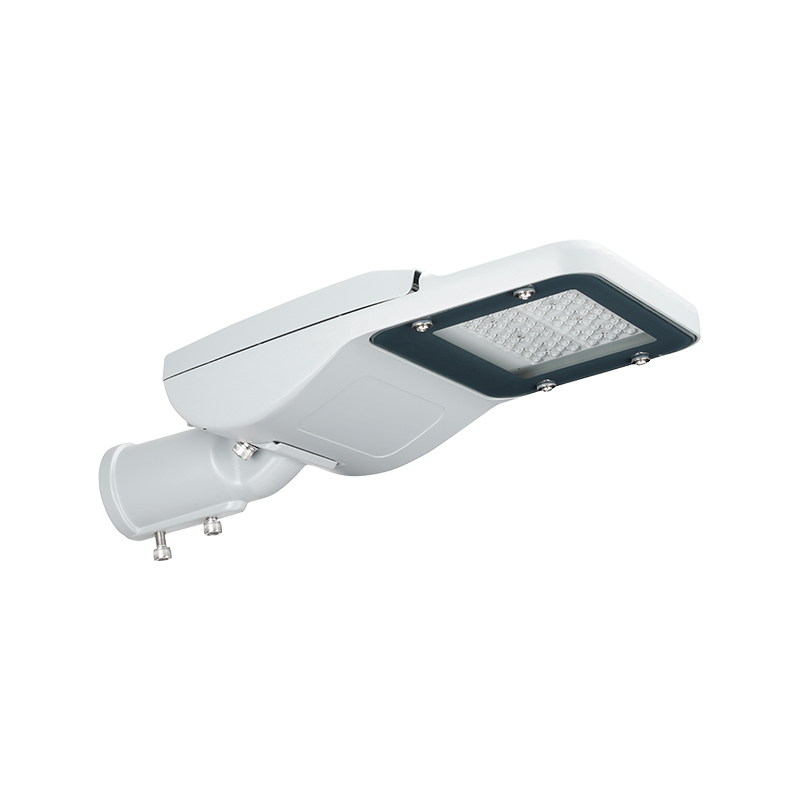
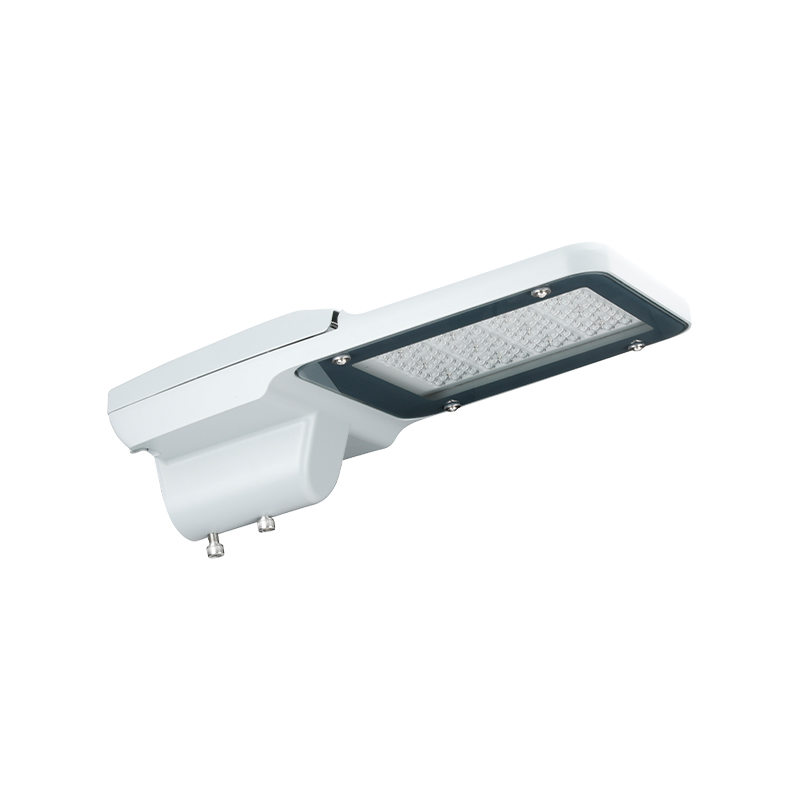
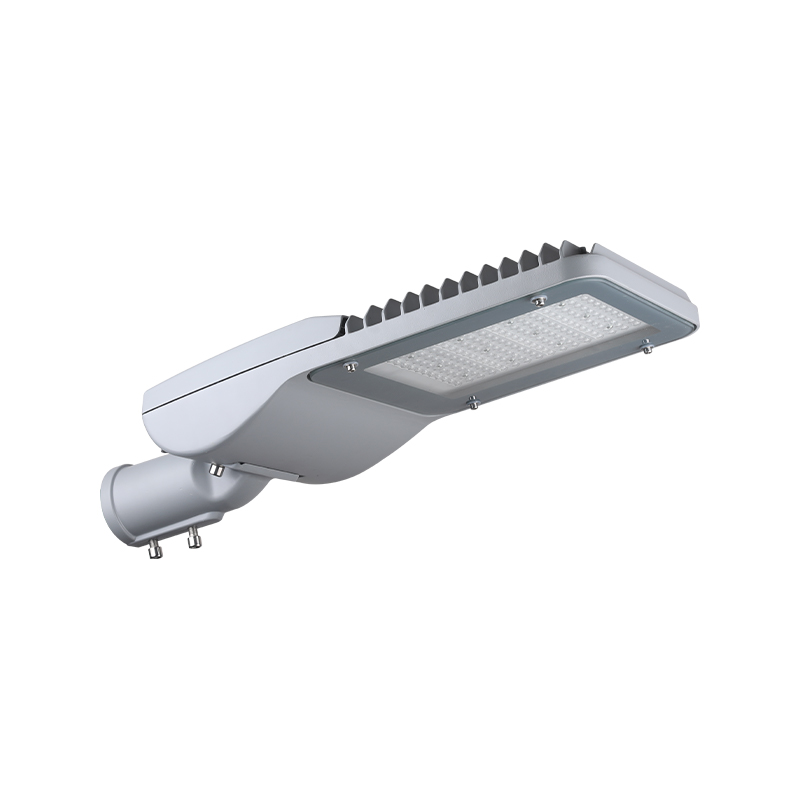
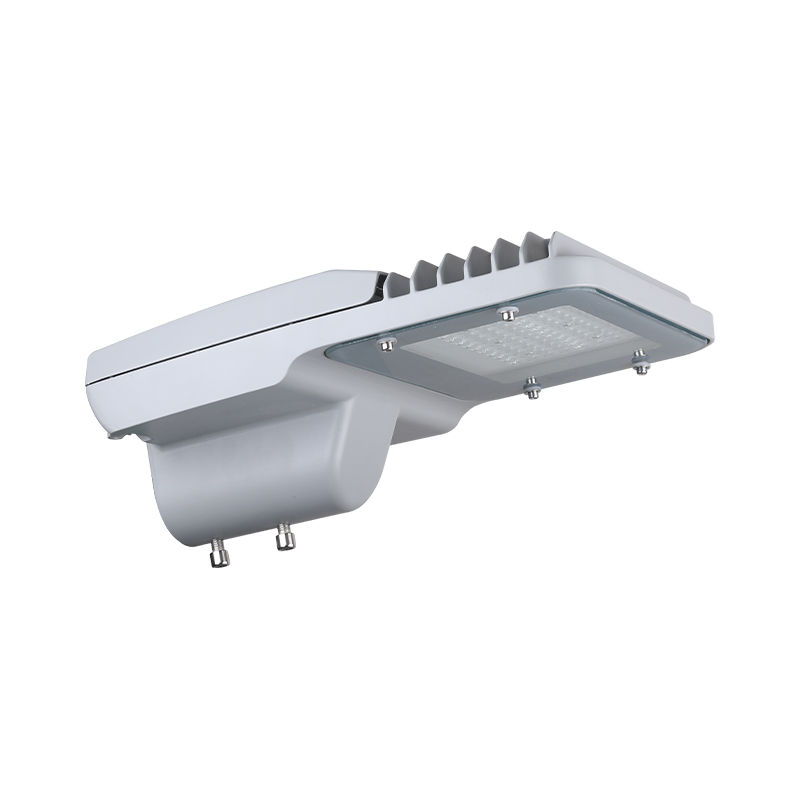
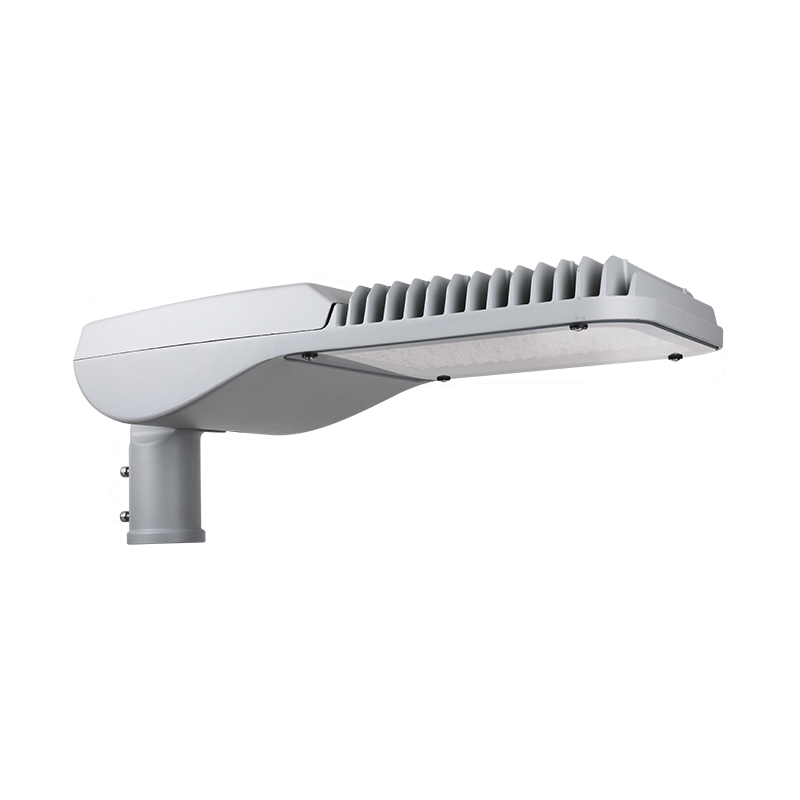
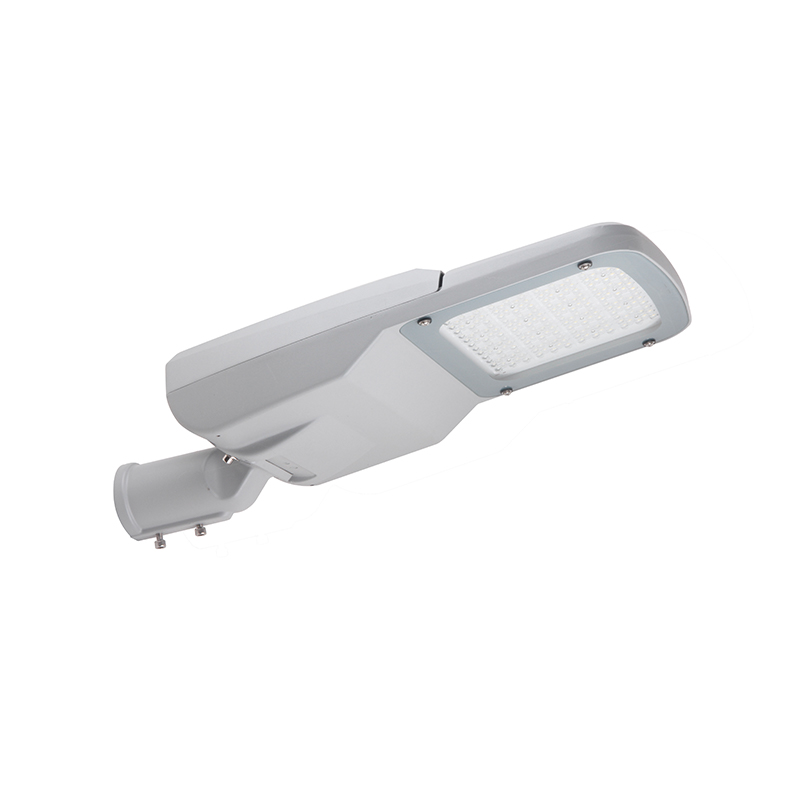
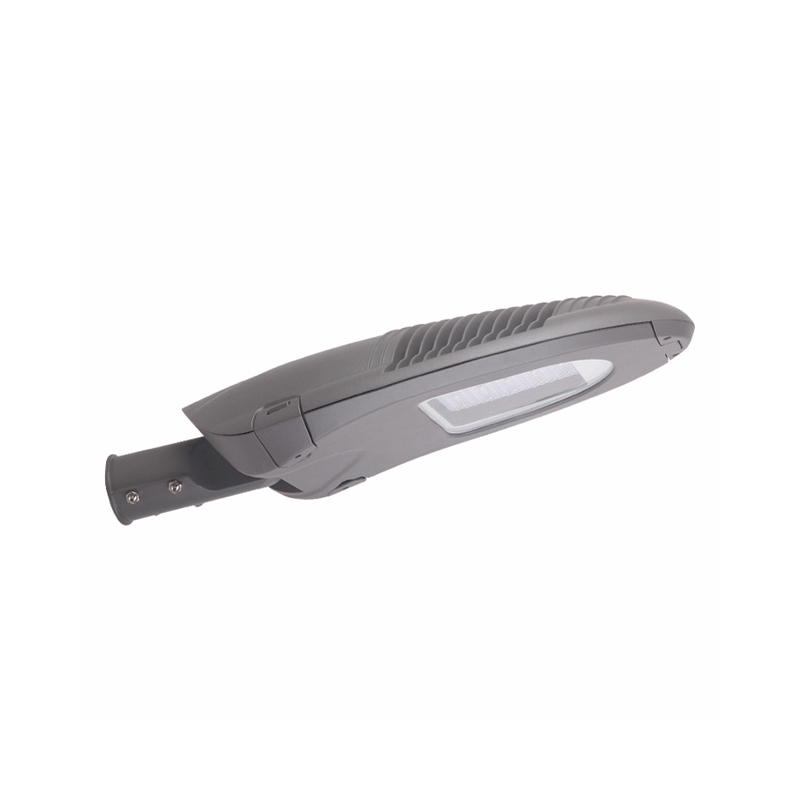
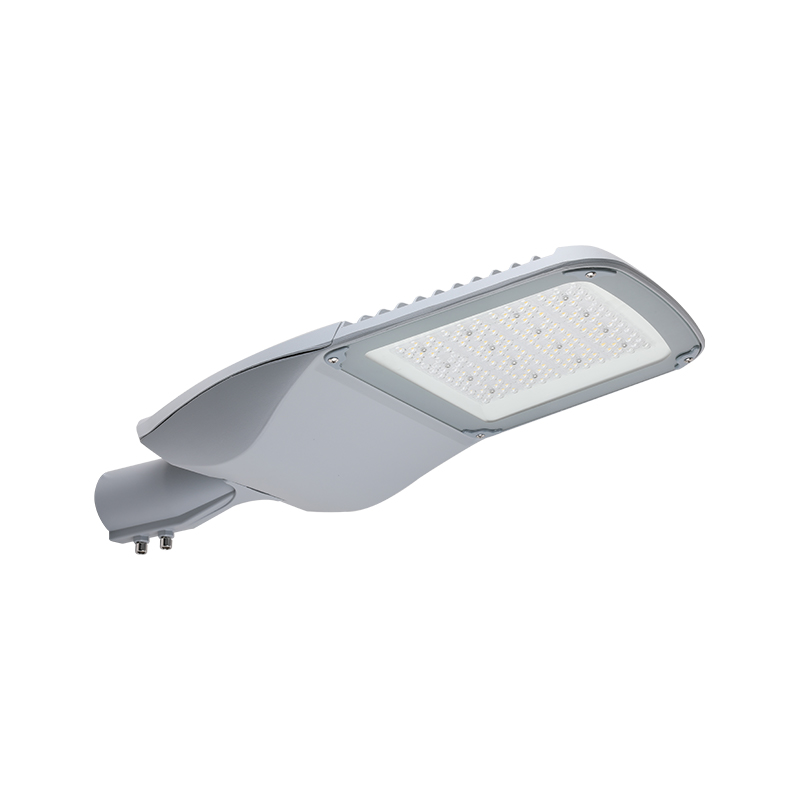
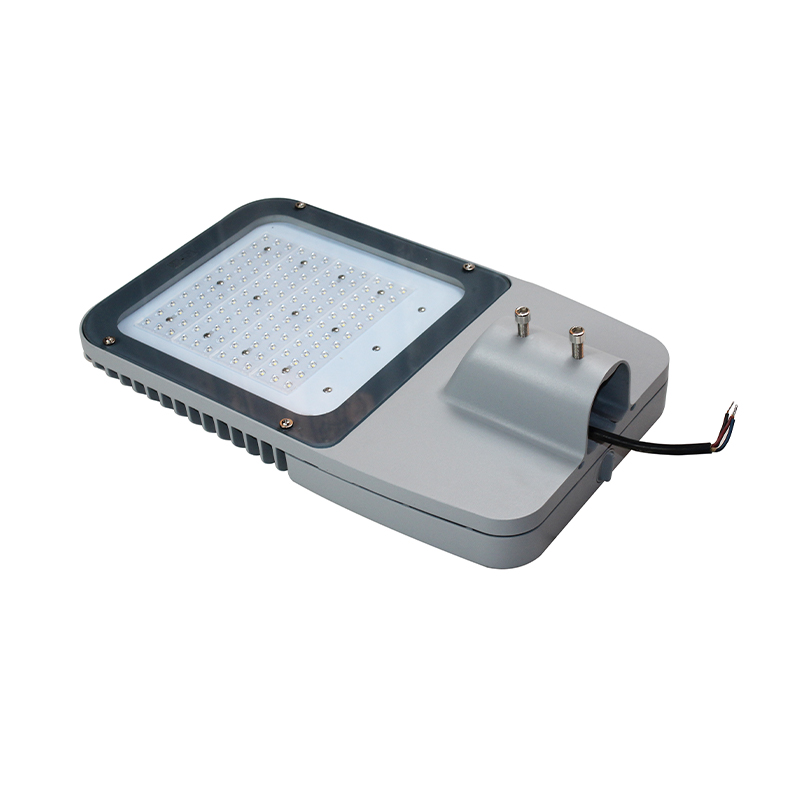
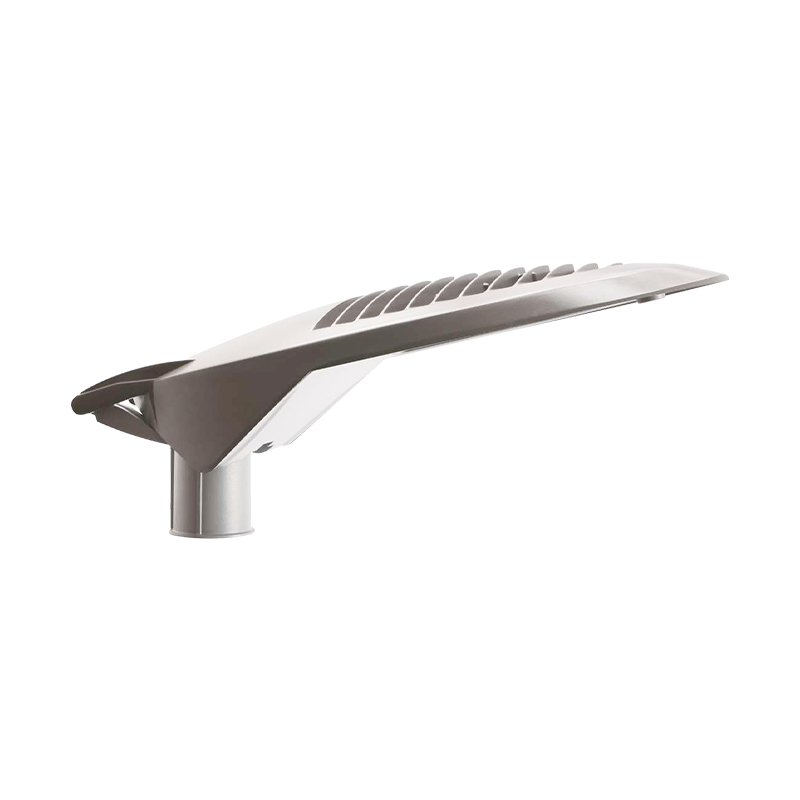
Corrosion Resistant Lighting
Luminaires built for environments where moisture, salt, chemicals, or industrial pollutants attack metal surfaces and electrical components. Housing material, surface treatment, sealing method, and hardware selection determine how long a fixture maintains its optical and mechanical integrity in aggressive atmospheres.
Corrosion
How Corrosion Affects Luminaires
Corrosion begins at the housing surface and at fastener contact points. Once the protective layer breaks down, moisture reaches the base metal, causing oxidation, pitting, and eventual structural weakening. In coastal and chemical environments, this process accelerates significantly.
Optical degradation follows. A corroded reflector or diffuser frame changes light distribution. Seals harden and lose compression, allowing water and dust into the optical chamber. Driver compartments exposed to humidity suffer premature electronic failure.
Severity
Environment Categories
C3
Urban and Industrial
Moderate levels of sulfur dioxide and airborne particulates. Standard powder coating on aluminum is generally adequate.
C4
Coastal and Chemical
Elevated salinity or chemical exposure. Requires thicker coating, sealed hardware, and stainless steel fasteners.
C5
Severe Marine and Industrial
High salinity, condensation, and chemical fumes. Requires marine-grade aluminum, multi-layer coating, and full sealing.
Materials
Material Selection
Housing
- Die-cast aluminum with low copper content
- Marine-grade aluminum alloy for C5 environments
- 316 stainless steel for extreme chemical exposure
- Fiberglass-reinforced polyester for non-metallic options
Hardware and Seals
- 316 stainless steel screws and brackets
- Silicone gaskets resistant to UV and ozone
- Anti-seize compound on threaded connections
- Sealed cable glands with strain relief
Coating
Surface Treatment Process
A
Pre-Treatment
Degreasing, etching, and conversion coating to prepare the aluminum surface for adhesion.
B
Primer Layer
Corrosion-inhibiting primer applied to all surfaces, including internal housing walls.
C
Powder Coating
Polyester or epoxy-polyester powder applied at controlled thickness for barrier protection.
D
Curing
Controlled thermal cure to achieve full cross-linking and coating hardness.
E
Sealing Check
Gasket compression and cable entry verification before final assembly.
F
Final Inspection
Visual and dimensional inspection of coating thickness, coverage, and sealing.
Parameters
Technical Specifications
| Housing Material | Die-cast aluminum, marine-grade aluminum, 316 stainless steel |
| Coating Thickness | Specified according to environment category and project requirement |
| Ingress Protection | IP65, IP66, and IP67 configurations |
| Impact Rating | IK08 and IK10 options |
| Gasket Material | Silicone, UV and ozone resistant |
| Fastener Material | 316 stainless steel |
| Color Temperature | 3000K, 4000K, and 5000K |
| Control Options | 0-10V, DALI, photocell, and motion sensor |
| Mounting | Surface, bracket, pole, and pendant |
Applications
Deployment Environments
Seaports and Marinas
Dock lighting, container yards, and terminal areas exposed to salt spray and constant humidity.
Chemical Plants
Process areas, storage zones, and loading racks with airborne acids, alkalis, or solvents.
Water Treatment
Clarifiers, aeration basins, and pump rooms with high moisture and chlorine exposure.
Food Processing
Wash-down areas, cold storage, and packaging halls requiring frequent cleaning.
Coastal Highways
Roadway and tunnel lighting where salt-laden air accelerates metal degradation.
Offshore Platforms
Deck and walkway lighting exposed to continuous salt, wind, and vibration.
Selection
Specification Checklist
- 1
Identify the Corrosion Category
Confirm whether the site corresponds to C3, C4, or C5 according to the applicable environmental classification.
- 2
Match Housing Material to Exposure
Standard aluminum suits moderate environments. Marine-grade aluminum or stainless steel is required for severe exposure.
- 3
Verify Coating Specification
Request coating type, thickness, and adhesion test data. Confirm that internal surfaces are also coated.
- 4
Check Fastener and Gasket Materials
Mixed metals in contact can cause galvanic corrosion. Confirm all fasteners match the housing material.
- 5
Review Sealing Method
Gasket compression, cable entry design, and breather provisions affect long-term moisture resistance.
- 6
Confirm Maintenance Access
In aggressive environments, fixtures require periodic inspection. Confirm that the optical and driver compartments can be opened without damaging seals.
FAQ
Common Questions
What is the difference between C4 and C5 corrosion categories
Both categories describe environments with elevated corrosivity, but C5 indicates higher severity. C5 environments typically involve continuous salt exposure, chemical fumes, or condensation. The required coating thickness, housing material, and sealing level increase from C4 to C5.
Is powder coating sufficient for coastal installations
Standard powder coating may be adequate for C4 environments when combined with proper pre-treatment and adequate thickness. For C5 environments, additional primer layers, marine-grade aluminum, or stainless steel construction are commonly specified.
Why do stainless steel fasteners matter in aluminum housings
Contact between dissimilar metals in the presence of moisture creates a galvanic cell. Aluminum and standard steel fasteners accelerate corrosion at the contact point. 316 stainless steel reduces this effect but does not eliminate it entirely. Isolation washers are sometimes used in severe environments.
Can corrosion resistant fixtures be repaired on site
Minor coating damage can be repaired with touch-up paint matching the original specification. However, if corrosion has reached the base metal or if the gasket has lost compression, the affected component should be replaced to maintain protection.
How often should fixtures be inspected in C5 environments
Inspection frequency depends on the specific exposure. In severe marine or chemical environments, a visual inspection every six months is typical. Coating integrity, fastener condition, and gasket compression should be checked at each inspection.
Does a higher IP rating guarantee corrosion resistance
No. IP rating covers ingress of dust and water under test conditions. It does not measure resistance to salt, chemicals, or long-term atmospheric corrosion. Corrosion resistance depends on housing material, coating system, and hardware selection.
Notes
Handling and Maintenance
Inspect fixtures for coating damage after transport and before installation.
Do not cut, drill, or modify the housing after coating, as this exposes untreated metal.
Apply anti-seize compound to threaded fasteners during assembly.
Verify gasket seating after any maintenance that requires opening the housing.
Clean surfaces with fresh water to remove salt deposits in coastal installations.
Record inspection dates and coating condition in the site maintenance log.
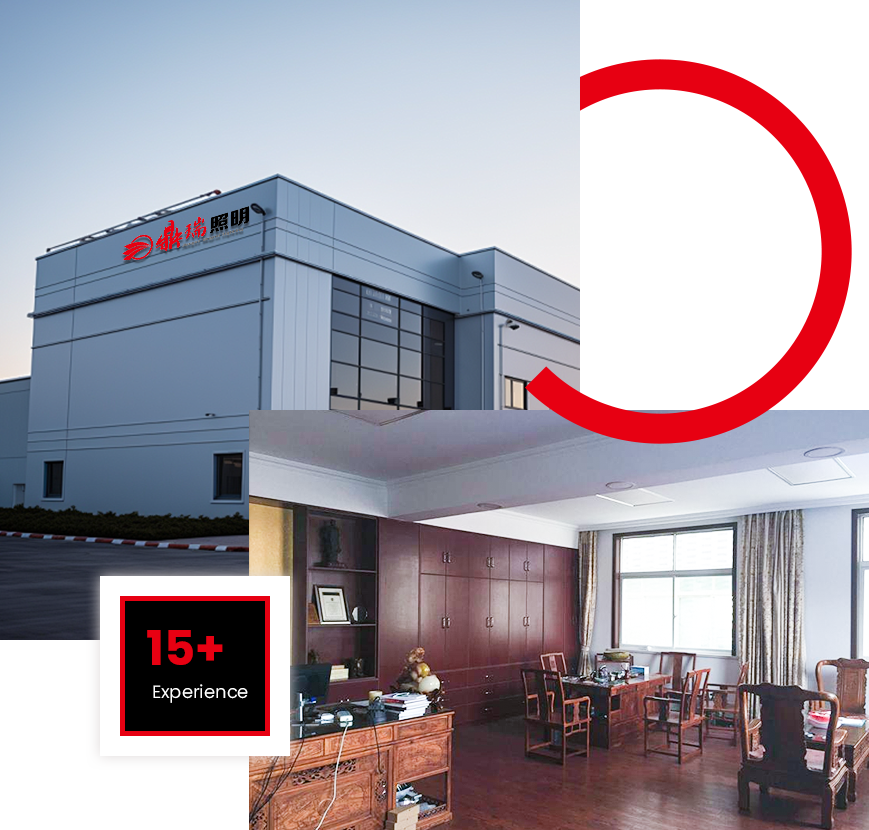
15+
Experience
Pioneering Excellence in Lighting Technology
With 15+ years of experience in professional lighting, Jiangsu Dingrui Lighting Technology Co., Ltd. develops LED lighting for commercial, industrial, outdoor applications. With 20,000+ square meters of production space, R&D, automated manufacturing, and strict quality control, we deliver reliable products with consistent performance and long service life. We are Custom Corrosion Resistant Lighting Manufacturers.
For distributors, contractors, engineering companies, and project buyers, we focus on stable quality, energy efficiency, certification compliance, and dependable supply. Products undergo testing for optical performance, thermal stability, waterproofing, and service life, with compliance to CE, RoHS, ISO9001, and UL.
DingRui combines engineering expertise and quality management to reduce procurement risks and deliver reliable lighting across commercial, industrial, road, and landscape uses.


 Add.: Jiepai Town, Danyang City, Jiangsu Province, China.
 Tel: +86-0510-86219899
 Phone: +86-18601236320
 Email:
