 +86-0510-86219899


 English
 English
 русский
 Español


Recessed Linear Ground Lighting
Linear Inground Uplight
A Linear Inground Uplight is an elongated recessed LED luminaire installed flush with or slightly below the ground surface, used to produce a continuous line of light for facade washing, wall grazing, architectural edges, and landscape surfaces. Its linear form makes it a layout element as well as a light source: the length, spacing, and position of the fixture line shape the visual result on the target surface. This page explains the optical, structural, and procurement factors that determine whether a linear inground uplight fits a given project.
What to Establish Before Selection
1Target surface and intended visual line
2Recess depth and drainage path
3Fixture length, spacing, and alignment
4Surface load expectations at the aperture
5Electrical supply and control needs
6Applicable certification by market
Section 01
Product Introduction
The Linear Inground Uplight is a recessed outdoor luminaire with an elongated aperture, designed to be installed into paving, concrete, or a dedicated well so that the light-emitting surface sits at or near the finished ground level. It is used where a continuous band of light is needed from a low position — along building facades, around architectural edges, at the base of columns and walls, along steps, and in landscape compositions where the fixture line itself contributes to the design. Because the housing is embedded, the product has to address drainage, soil and debris exposure, and thermal removal from a confined cavity.
The linear format introduces layout considerations that a single-point fixture does not have. The length of each unit, the gap between units, the setback from the target surface, and the alignment of the run determine whether the lighting reads as a continuous line or as separate segments. Optical distribution along the length and across the beam affects how evenly the facade or wall is washed.
Jiangsu Dingrui Lighting Technology Co., Ltd. manufactures outdoor and architectural lighting products using LED chips, aluminum heat sinks, and optical lenses, supported by automated production lines, precision assembly, and in-house testing. For a given linear inground uplight configuration, the specific protection rating, load capacity, optical data, and electrical parameters must be confirmed against the current datasheet and the agreed technical drawing before ordering.
Category Positioning
- Recessed linear luminaire for ground-level installation
- Continuous or segmented runs along facades and edges
- Downward-to-upward distribution for surface washing
- Specified through layout, spacing, and photometric data
- Used in plazas, walkways, and architectural bases
- Configuration confirmed per project
Section 02
Core Advantages in Linear Ground Lighting
Continuous Light Line
The elongated aperture produces a band of light rather than a single pool. When units are placed end to end or at consistent intervals, the run can read as a continuous line. Buyers should check the light distribution along the length and the spacing between units against the intended visual result.
Facade and Surface Washing
Setback distance, beam angle across the width, and fixture spacing determine how evenly a wall is washed. The optical lens and reflector arrangement shape this distribution, and the curve should be reviewed against the target surface height and the intended effect.
Recessed Housing and Drainage
The housing must manage water that enters the recess, allow drainage where specified, and resist soil and debris. The sealing arrangement and drainage path are product-specific and must be verified from the datasheet and installation drawing.
Thermal Behavior in a Linear Cavity
A linear recessed fixture has a long, confined cavity. Heat has to be conducted through the housing and managed along the length. Thermal stability testing is part of the company's quality process where applicable, but the product's own thermal documentation should be reviewed.
Surface Ring and Load Interface
The surface ring and aperture define the visual line and the load interface with the paving. Where foot or vehicle traffic is expected, the load rating and ring construction must be confirmed for the specific product version.
Manufacturing Consistency Across a Run
For long runs along a facade, unit-to-unit consistency in output and color affects whether the line appears even. Automated production lines and precision assembly support repeatability, while sample approval remains the buyer's verification step.
Section 03
Product Features and Configuration Areas
Light Source
LED chip configuration defined per product version; chip type, quantity, and arrangement along the length confirmed from the datasheet.
Optical Components
Optical lens and reflector arrangement selected to produce the required distribution along the length and across the width.
Linear Housing
Elongated recessed body; material specification, wall thickness, and length confirmed per model.
Surface Ring and Trim
Finish and trim style for the visible ground-level line; confirmed per configuration and project finish requirement.
Heat Dissipation
Aluminum heat sink construction used in the company's lighting manufacturing; exact heat sink design is product-specific.
Drainage Design
Water management along the linear recess; drainage path and sealing verified from the installation drawing.
Protection Design
Enclosure sealing and ingress protection are product-specific; IP rating must be verified from the datasheet.
Load Interface
Where the aperture may be trafficked, load rating is confirmed for the specific product version.
Electrical Configuration
Driver and electrical parameters vary by version; voltage, power factor, and control options confirmed per order.
Control Options
Dimming or control compatibility available only where confirmed for the selected driver and configuration.
Section 04
Applications
Facade Washing and Wall Grazing
Linear inground uplights placed along a facade at consistent setback can produce a continuous wash of light across the surface. The beam angle across the width, the setback, and the spacing of the run determine how even the result appears.
Architectural Edges and Column Bases
At the base of columns, walls, and structural edges, a linear fixture can define the line of the building and add depth to the architectural form. Alignment with the structural geometry is part of the layout work.
Plazas and Walkway Edges
Where a linear element is part of the paving design, the fixture line can serve both as a visual guide and as a source of low-level accent light. Surface load expectations for pedestrians should be confirmed.
Landscape and Water Feature Edges
Along planting beds and water feature edges, the recessed format needs careful attention to drainage and sealing. The installation drawing should show how the cavity is kept clear of water and debris.
Section 05
Optical and Technical Considerations
Layout of the Light Line
The setback distance, beam angle across the width, and fixture spacing determine how the light meets the target surface. A continuous visual line depends on both the optical distribution and the physical spacing of the fixtures.
Distribution Along the Run
In a linear fixture, light is not distributed from a single point but along the length. The optical arrangement along the luminaire and the way consecutive units are positioned together determine whether the run reads as continuous or segmented. Buyers should review the distribution curve and the recommended spacing against the intended effect.
Beam Across the Width
The beam angle across the width of the fixture controls how far up the wall or across the ground the light reaches. A narrower beam concentrates light closer to the fixture; a wider beam spreads it over a larger area at lower intensity. The appropriate choice depends on the setback distance and the target surface height.
Ingress Protection and Drainage
Because the fixture sits in the ground, water can collect along the recess unless drainage is designed into the installation. The IP rating and sealing arrangement are product-specific and must be confirmed from the datasheet. The installation drawing should show the drainage path and how the surface ring meets the finished grade.
Thermal Behavior in a Linear Cavity
A linear recessed luminaire relies on the housing to conduct heat away from the LED module along the length of the fixture. The ambient temperature in the cavity, the surrounding material, and the operating schedule all influence behavior. Thermal performance should be confirmed from the product's own thermal test documentation.
Load and Surface Interface
Where the aperture sits in a walkway or driveway, the surface ring and fixture construction must handle the expected load. Load rating is product-specific and must be verified; it is not implied by the recessed form.
What to Confirm from the Datasheet
Lumen output, beam distribution along and across the fixture, color temperature, color rendering index, power factor, voltage, IP rating, IK rating where applicable, load rating where applicable, and control compatibility are all product-specific. Confirm each against the current datasheet and the approved sample before bulk ordering.
Section 06
Manufacturing and Quality Control
Assembly and Sealing Consistency Along the Run
A linear inground uplight is assembled from the LED module, optical assembly, driver, linear housing, surface ring, and sealing components. Because the fixture is installed in a wet, soil-exposed environment and often in long runs, the sealing and drainage details are as important as the light source. Automated production lines and precision assembly processes support repeatability along the length of each unit and across batches, while material selection and inspection address incoming component quality.
For recessed outdoor luminaires, testing is part of the quality process where applicable to the product. The company conducts optical performance testing, thermal stability testing, waterproofing tests, and lifespan simulation testing. Buyers should confirm which tests apply to the specific product version and request the relevant documentation as part of sample approval.
The company states compliance with CE, RoHS, ISO 9001, and UL standards at the organizational level. This does not mean every linear inground uplight version carries every certification. Applicable certification for the ordered product must be confirmed separately.
Optical Performance
Verifies output and distribution along the fixture against the design intent for the configuration.
Thermal Stability
Checks behavior under operating heat load within the linear recessed design.
Waterproofing
Assesses enclosure sealing along the linear aperture where the product carries a defined protection rating.
Lifespan Simulation
Supports evaluation of long-term operating behavior within the test scope.
Section 07
Selection and Procurement Guide
Site and Layout Inputs
- Project location and exposed environment
- Recess depth and linear cavity dimensions
- Finished grade and surface ring level
- Drainage path and water table conditions
- Surrounding material — soil, paving, or concrete
- Expected foot or vehicle load at the aperture
- Target surface and intended light line
- Fixture length, spacing, and setback
Product and Order Inputs
- Required distribution along and across the fixture
- Color temperature and rendering requirements
- Supply voltage and connection details
- Dimming or control requirements
- Required IP rating and load rating
- Applicable certification for the market
- Project quantity and delivery phases
- Sample approval and packaging requirements
Section 08
OEM and ODM Considerations
Jiangsu Dingrui Lighting Technology Co., Ltd. operates as an OEM and ODM lighting manufacturer. For linear inground uplight projects, OEM and ODM discussions typically begin with the installation conditions and the intended light line rather than with a fixed catalog model. Buyers should be prepared to provide the site layout, recess and drainage details, surface finish requirements, load expectations, and any branding or product identification requirements.
Optical design, linear housing and surface ring structure, sealing arrangements, and the coordination of consecutive units along a run are reviewed against the project specifications. Technical drawings should be confirmed before production, and sample evaluation provides the reference for batch production. The company's more than 15 years of industry experience and more than 20 patent certificates support product engineering discussions, but no specific customization should be assumed without written confirmation of feasibility, tooling, and scope.
Typical Information for OEM/ODM Discussion
- Project application and light line layout
- Recess cavity and drainage details
- Optical distribution along the run
- Surface ring finish and level
- Electrical and control specifications
- Load and protection requirements
- Technical drawing confirmation
- Sample evaluation and batch planning
Section 09
Frequently Asked Questions
How should buyers plan spacing and setback for a linear inground uplight?
Start from the target surface — facade height, wall material, or paving line — and the intended visual effect. The setback distance from the wall and the spacing between consecutive units determine whether the run reads as continuous. Review the distribution curve along the length and across the width, and confirm the recommended spacing from the current datasheet and layout guidance.
What should be checked before installing a linear recessed fixture in paving or concrete?
Confirm the recess depth and dimensions, the drainage path, the sealing arrangement around the aperture, and the protection rating from the datasheet. Consider the surrounding material and how the surface ring will sit relative to the finished grade. In dense or wet conditions, the installation drawing should show how water is drained away from the cavity.
Can a linear inground uplight be installed where pedestrians or vehicles pass over it?
Only where the product's load rating supports the expected load. Load rating is product-specific and must be confirmed from the datasheet and the installation drawing. The surface ring construction and the surrounding paving detail also affect how load is transferred. Do not assume a recessed fixture is automatically traffic-rated.
How does the linear cavity affect heat dissipation?
A linear recessed luminaire relies on the housing to conduct heat away from the LED module along the length of the fixture, with less free air than a surface-mounted product. The ambient temperature in the cavity, the surrounding material, and the operating schedule all influence behavior. Confirm thermal performance from the product's own thermal test documentation rather than assuming it from the luminaire family.
Which technical specifications should be reviewed before bulk purchasing?
Review lumen output, distribution along and across the fixture, color temperature, color rendering, power factor, voltage, IP rating, IK rating where applicable, load rating where applicable, and control compatibility — each for the specific product version. Also confirm the linear housing dimensions, surface ring finish, and installation drawing. Certification must be verified for the destination market separately.
What should be considered when evaluating a linear recessed lighting sample?
Check optical performance against the specified distribution along and across the fixture, the sealing and drainage arrangement, housing and surface ring construction, finish, and the documentation supplied with the sample. Compare the sample's measured data with the datasheet values. For project orders, retain the approved sample as the reference for batch production.
Can lighting configurations be discussed for different project requirements?
Yes. As an OEM and ODM manufacturer, the company can review project-specific requirements including optical design, linear housing and surface ring details, load requirements, and product identification. Buyers should provide layout, installation, and site information for the discussion. Feasibility, tooling, and scope are confirmed in writing before production.
Which product certifications should international buyers verify?
Verify the certification required by the destination market and confirm it applies to the exact product version being ordered. The company states compliance with CE, RoHS, ISO 9001, and UL standards at the organizational level, but this does not mean every linear inground uplight version carries every certification. Request the applicable certificate or declaration for the specific product.
15+
Experience
Pioneering Excellence in Lighting Technology
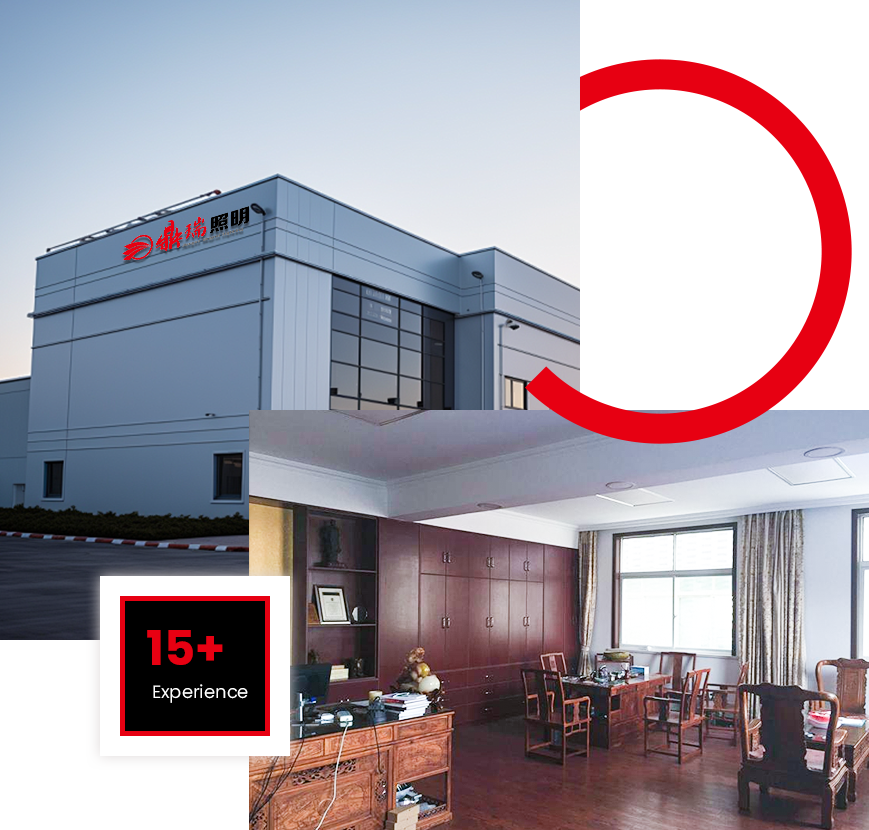
With 15+ years of experience in professional lighting, Jiangsu Dingrui Lighting Technology Co., Ltd. develops LED lighting for commercial, industrial, outdoor applications. With 20,000+ square meters of production space, R&D, automated manufacturing, and strict quality control, we deliver reliable products with consistent performance and long service life. We are Custom Linear Inground Uplight Manufacturers.
For distributors, contractors, engineering companies, and project buyers, we focus on stable quality, energy efficiency, certification compliance, and dependable supply. Products undergo testing for optical performance, thermal stability, waterproofing, and service life, with compliance to CE, RoHS, ISO9001, and UL.
DingRui combines engineering expertise and quality management to reduce procurement risks and deliver reliable lighting across commercial, industrial, road, and landscape uses.


 Add.: Jiepai Town, Danyang City, Jiangsu Province, China.
 Tel: +86-0510-86219899
 Phone: +86-18601236320
 Email:
