 +86-0510-86219899


 English
 English
 русский
 Español


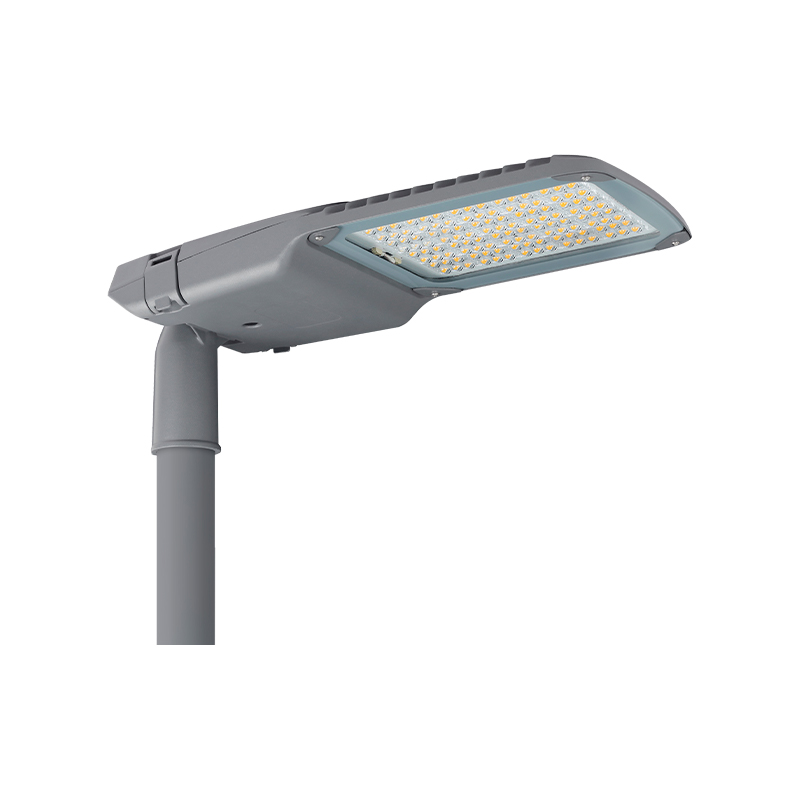
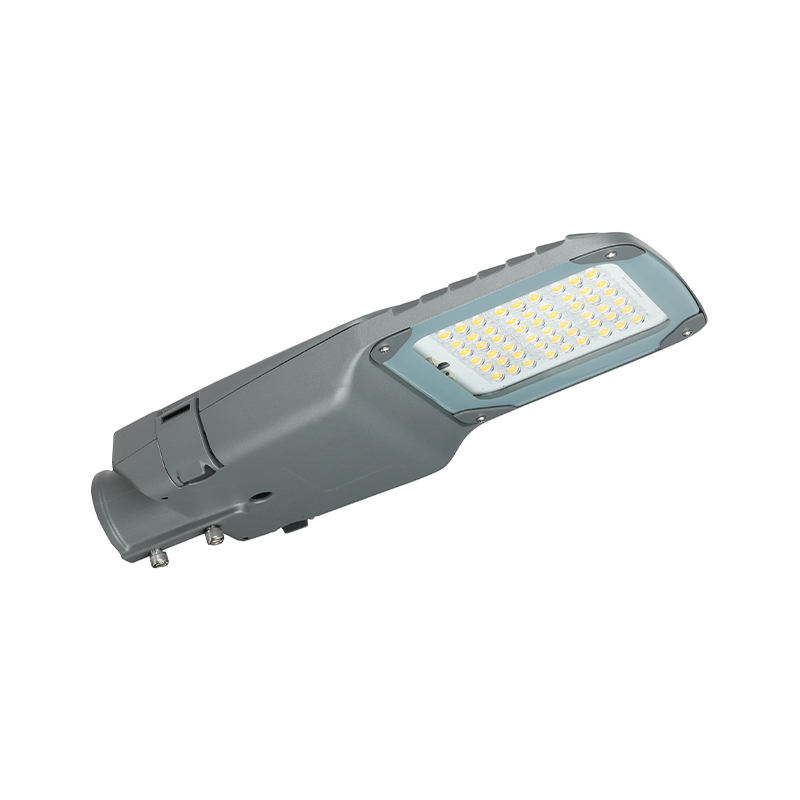
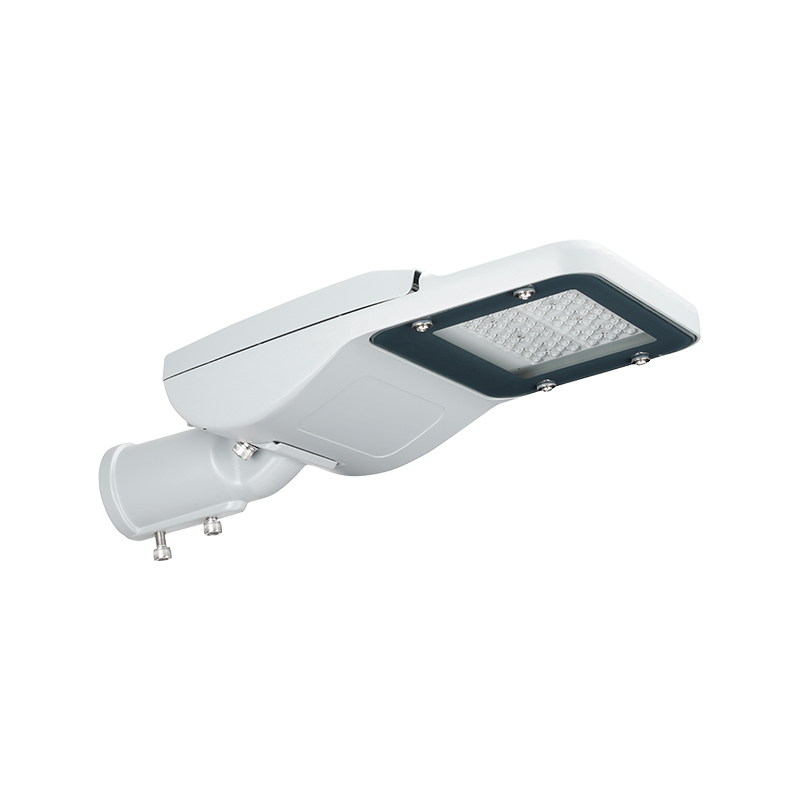
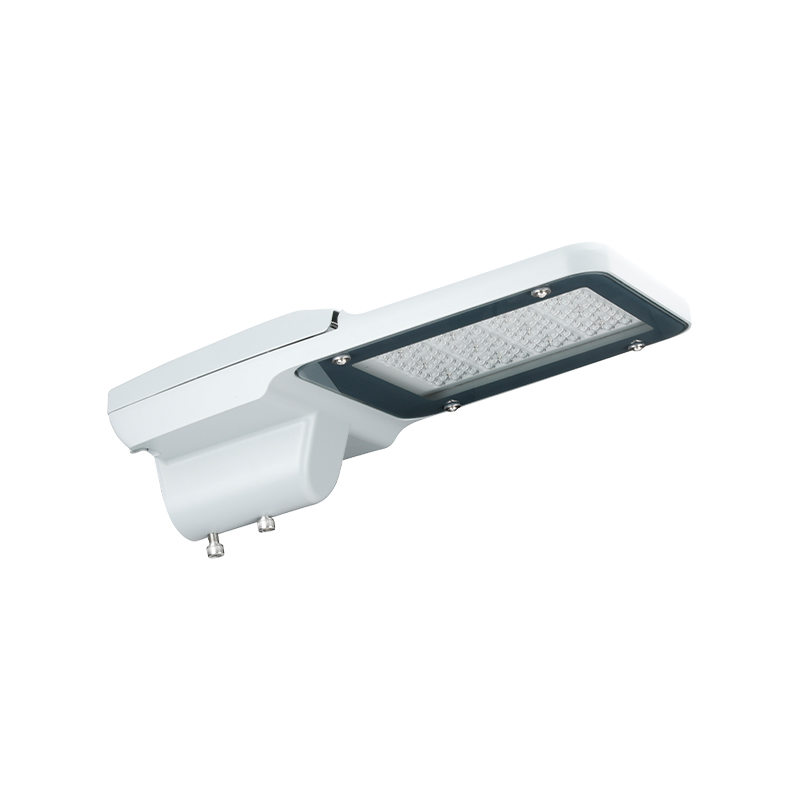
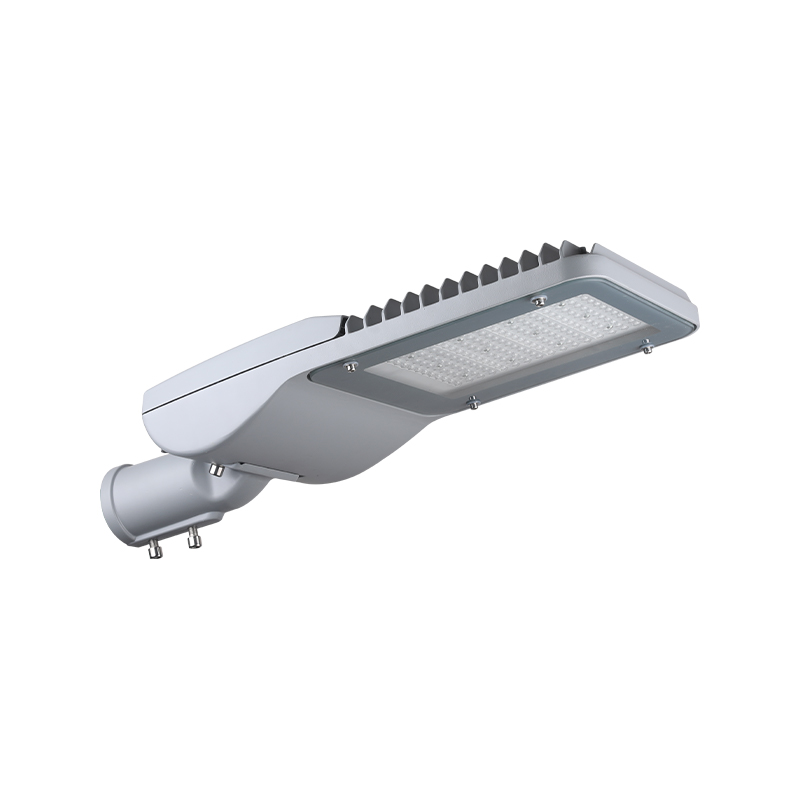
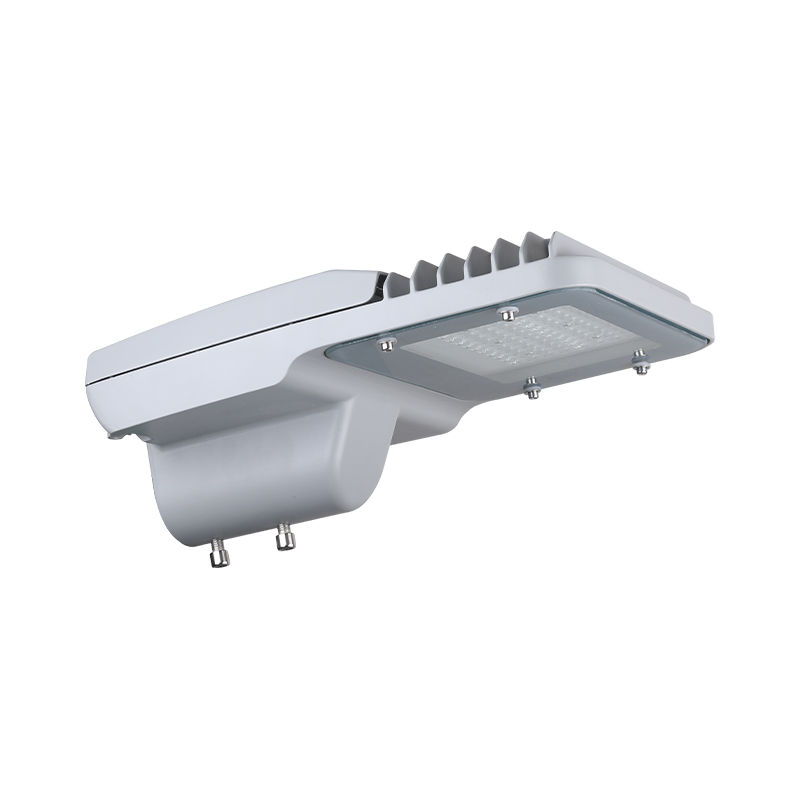
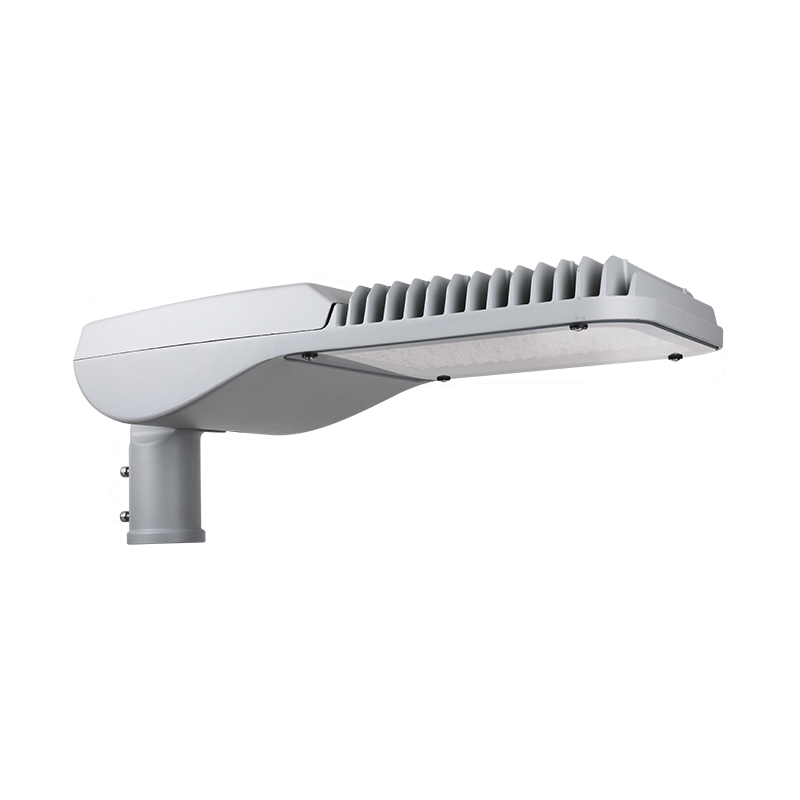
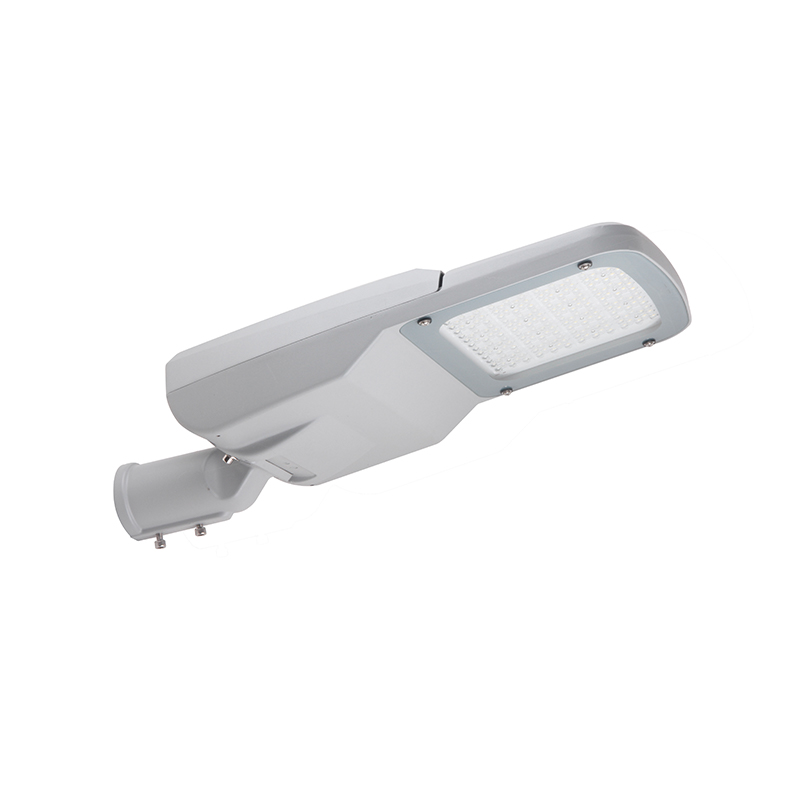
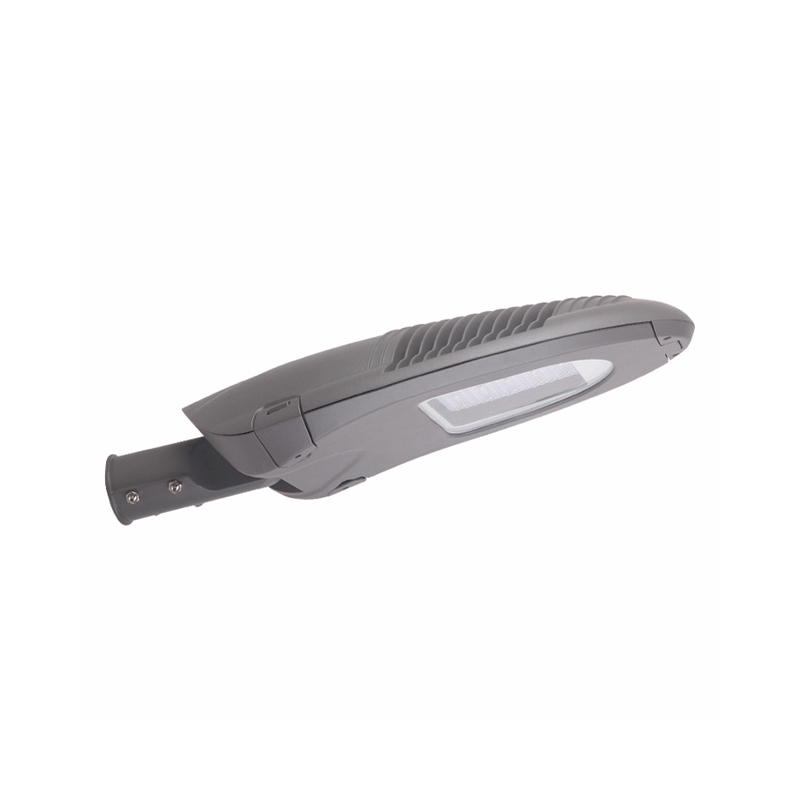
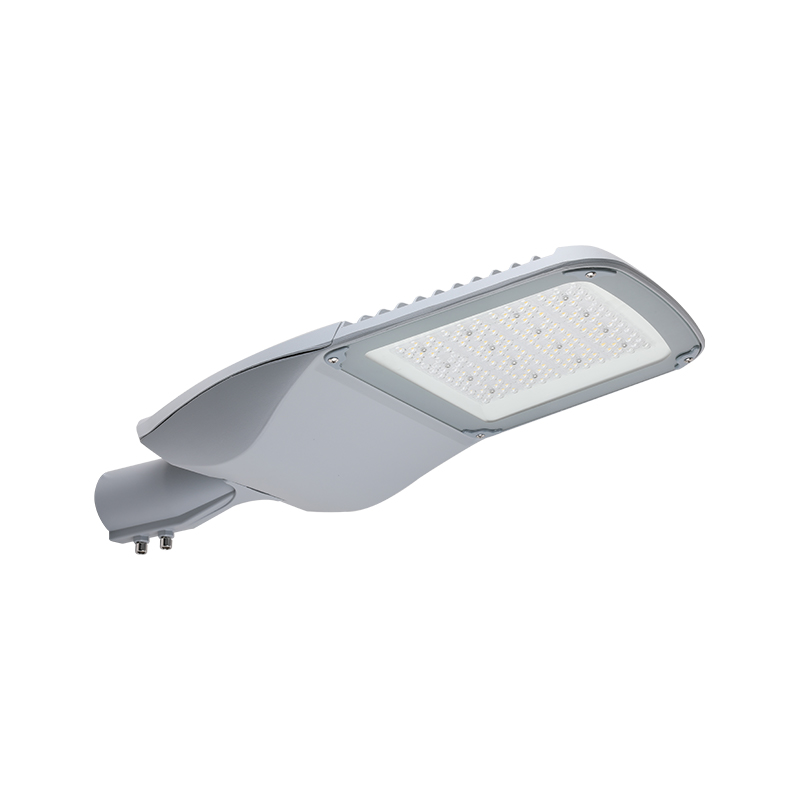
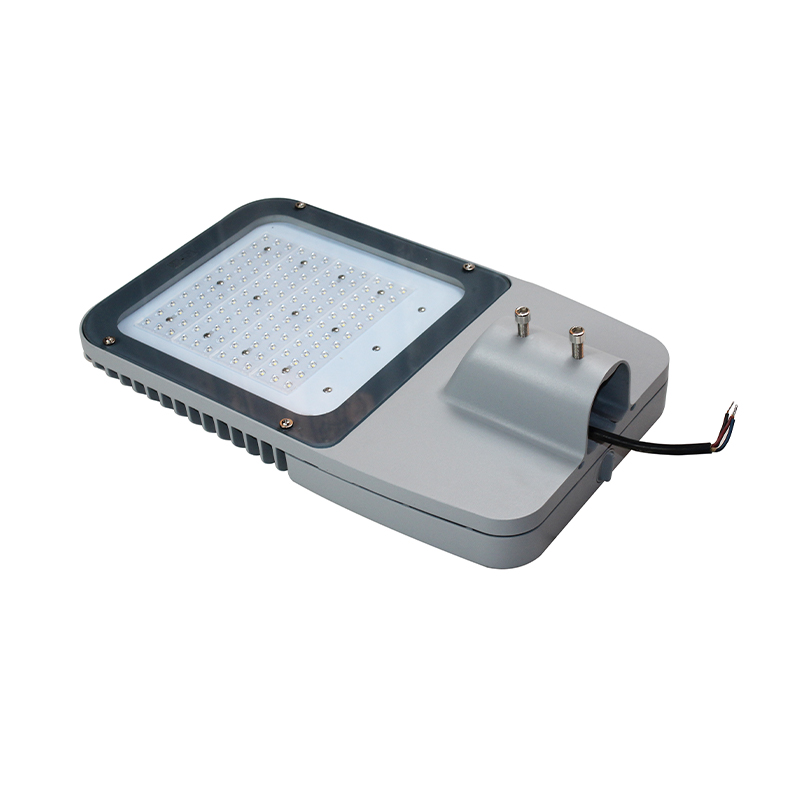
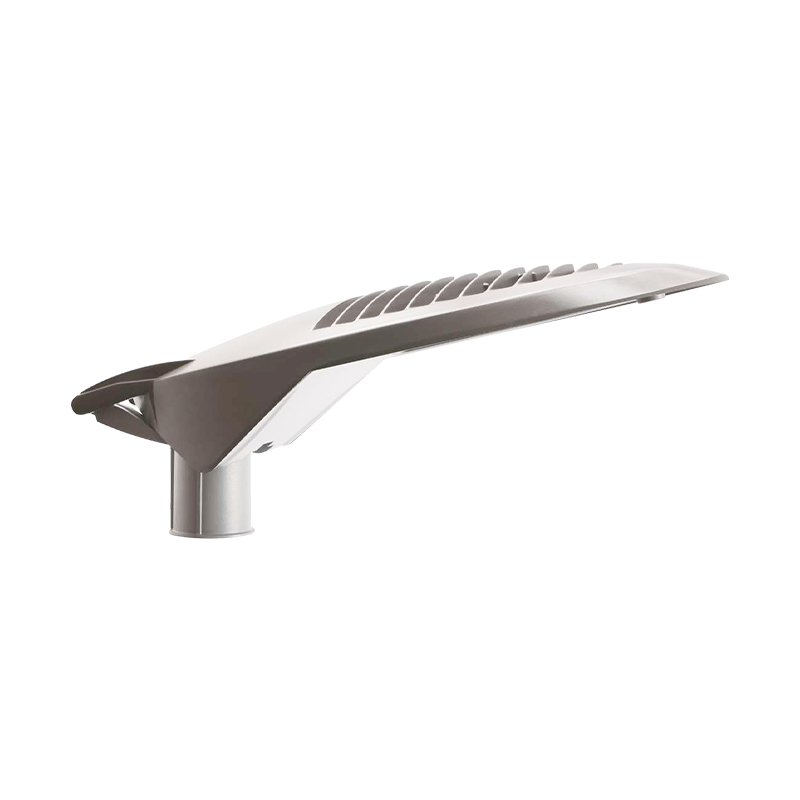
Asymmetric Beam Floodlights
Asymmetric beam floodlights use a non-symmetrical optical distribution to direct light precisely where it is needed, reducing spill light and glare. Instead of emitting a uniform cone, the beam pattern is shaped to match the target surface, which improves uniformity along walls, signage, facades, and perimeter areas. This makes them suitable for applications where controlled light placement matters more than raw output.
Optical Behavior
An asymmetric reflector or lens redistributes the light output so that the beam is wider on one axis and narrower on the other. The result is a rectangular or trapezoidal light pattern rather than a circular one. This pattern can be oriented during installation to align with the target area, such as the vertical face of a building or the horizontal surface of a walkway edge.
Because the light is shaped at the optical level, the fixture can achieve acceptable uniformity with fewer units and lower wattage compared with symmetrical floodlights used in the same position.
Key Specifications
Beam Patterns
Available in wall-wash, narrow asymmetric, and wide asymmetric distributions to match facade height, signage width, or perimeter depth.
Beam Angles
Typical asymmetric outputs include 10° x 60°, 30° x 70°, and 45° x 90° combinations, depending on target geometry.
Color Temperature
2200K, 2700K, 3000K, 4000K, and 5000K options for architectural or functional requirements.
Wattage Range
Configurable across multiple wattages to suit residential facades, commercial signage, and industrial perimeters.
Glare Control
Recessed LED positioning and shielded optics reduce direct view of the light source.
Ingress Protection
IP65 and IP66 rated housings for outdoor exposure to dust and water.
Housing Material
Die-cast aluminum body with corrosion-resistant surface treatment.
Control Options
Compatible with 0-10V dimming, DALI, photocells, and motion sensors.
Application Mapping
Facade Vertical wall washing with even luminance from base to top.
Signage Rectangular beam coverage for billboards and channel letters.
Perimeter Fence line and boundary illumination with reduced inward spill.
Canopy Under-canopy lighting for entrances and loading areas.
Landscape Accent lighting for hedges, walls, and architectural features.
Sports Perimeter and training area illumination with controlled spill.
Selection Notes
Choosing an asymmetric beam floodlight requires matching the beam pattern to the target surface dimensions and the mounting distance. A beam that is too narrow produces hot spots, while an excessively wide beam reduces intensity and wastes light outside the target.
Mounting height, tilt angle, and the reflective properties of the surface also affect the final result. For facades with windows or glossy cladding, a wider asymmetric distribution with lower glare may be preferred. For long boundary walls, a narrow asymmetric pattern mounted close to the wall can produce consistent vertical uniformity.
Installation and Maintenance
Confirm the beam orientation marking on the fixture before tightening the bracket.
Maintain the recommended tilt angle to avoid upward light emission.
Use the supplied gasket and cable gland to preserve the IP rating.
Keep the optical surface clean to prevent uneven light distribution.
Verify driver compatibility when connecting to external control systems.
Record the installation angle for future maintenance or replacement.
Common Questions
How is an asymmetric beam different from a symmetric flood beam?
A symmetric flood beam spreads light evenly in all directions from the fixture axis, producing a circular pattern. An asymmetric beam shapes the light into a rectangular or trapezoidal pattern, which can be aligned with a wall, sign, or boundary. This reduces light outside the target area.
Can the beam orientation be adjusted after installation?
Yes. Most asymmetric floodlights allow rotation of the optical assembly or the mounting bracket. The specific adjustment range depends on the model. Confirm the rotation mechanism before final mounting.
What beam angle is suitable for a two-story facade?
For a two-story facade, a narrow asymmetric beam such as 10° x 60° or 30° x 70° is often used when the fixture is mounted at ground level or on a low bracket. The exact angle depends on mounting distance and desired uniformity. A photometric simulation is recommended for critical projects.
Do these fixtures support dimming and sensor control?
Yes. Asymmetric beam floodlights can be configured with 0-10V dimming, DALI, photocells, and motion sensors. Availability depends on the selected driver and control module. Confirm compatibility at the time of order.
What is the recommended maintenance interval?
Inspect the fixture and clean the optical surface every six to twelve months, depending on the installation environment. Areas with high dust, pollen, or salt exposure may require more frequent cleaning to maintain light distribution.
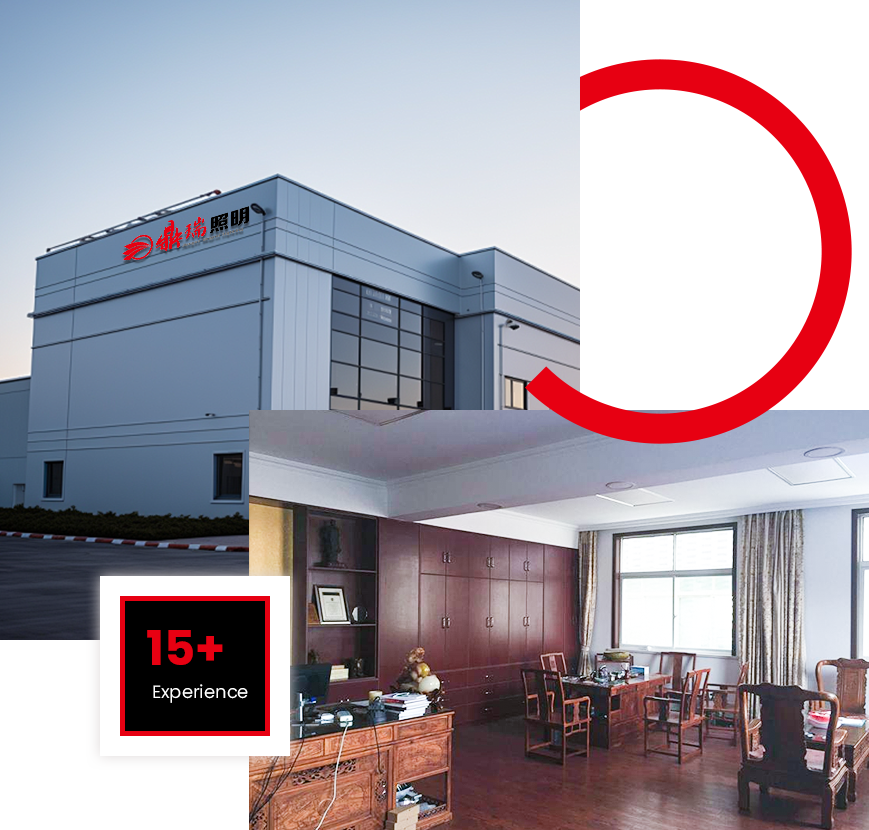
15+
Experience
Pioneering Excellence in Lighting Technology
With 15+ years of experience in professional lighting, Jiangsu Dingrui Lighting Technology Co., Ltd. develops LED lighting for commercial, industrial, outdoor applications. With 20,000+ square meters of production space, R&D, automated manufacturing, and strict quality control, we deliver reliable products with consistent performance and long service life. We are Custom Asymmetric Beam Floodlights Manufacturers.
For distributors, contractors, engineering companies, and project buyers, we focus on stable quality, energy efficiency, certification compliance, and dependable supply. Products undergo testing for optical performance, thermal stability, waterproofing, and service life, with compliance to CE, RoHS, ISO9001, and UL.
DingRui combines engineering expertise and quality management to reduce procurement risks and deliver reliable lighting across commercial, industrial, road, and landscape uses.


 Add.: Jiepai Town, Danyang City, Jiangsu Province, China.
 Tel: +86-0510-86219899
 Phone: +86-18601236320
 Email:
