 +86-0510-86219899


 English
 English
 русский
 Español


Content
- 1 What Defines a Modular LED Flood Light?
- 2 Why Modular LED Flood Lights Cut Lifetime Costs
- 3 How Optics Extend the Use of a Modular LED Flood Light
- 4 Energy and Service Data from a Modular LED Flood Light Retrofit
- 5 Procurement Checklist for Modular LED Flood Lights
- 6 Frequently Asked Questions on Modular LED Flood Lights
A distribution center in Ohio replaced 42 metal-halide floodlights around its truck yard with modular LED flood lights in May 2026.
Connected load dropped from 21.8 kW to 8.4 kW, and average pavement illuminance rose from 38 lux to 92 lux. Fourteen months later two drivers failed. The maintenance crew swapped the driver modules at ground level in under 30 minutes per fixture, without renting a boom lift and without scrapping two complete luminaires. That single repair event covered roughly one third of the full upgrade cost. This is why facility managers, electrical contractors and municipal specifiers now put modular LED flood lights at the top of the tender list.
What Defines a Modular LED Flood Light?
A modular LED flood light is a luminaire in which the light engine, the driver and the optics are built as separate serviceable units that can be replaced independently of one another.
In an integrated flood light, the LED board is bonded to the heat sink with thermal paste and the driver is placed under potting compound. When the driver reaches end of life, the entire fixture comes down. Brackets, cable glands, housing and optics go to the recycler along with the failed electronics.
The module-based approach changes that service logic. Because modules sit on independent heat sinks and the driver has its own compartment, thermal management can be optimized separately, and an LED module can be bench-tested while the housing stays on the pole. The Nova flood series from Jiangsu Dingrui Lighting Technology Co., Ltd. spans 30 W to 300 W and is built around a modular design: one housing type is ordered, and the contractor stocks the driver modules, LED modules and optics that match the project lumen target and maintenance plan instead of holding several sealed luminaires in inventory.
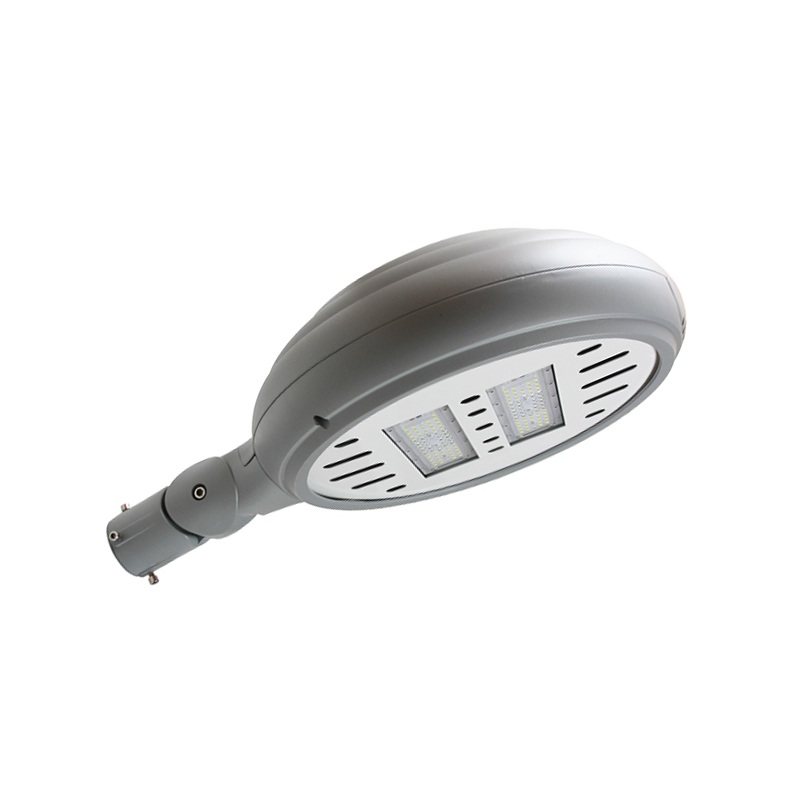
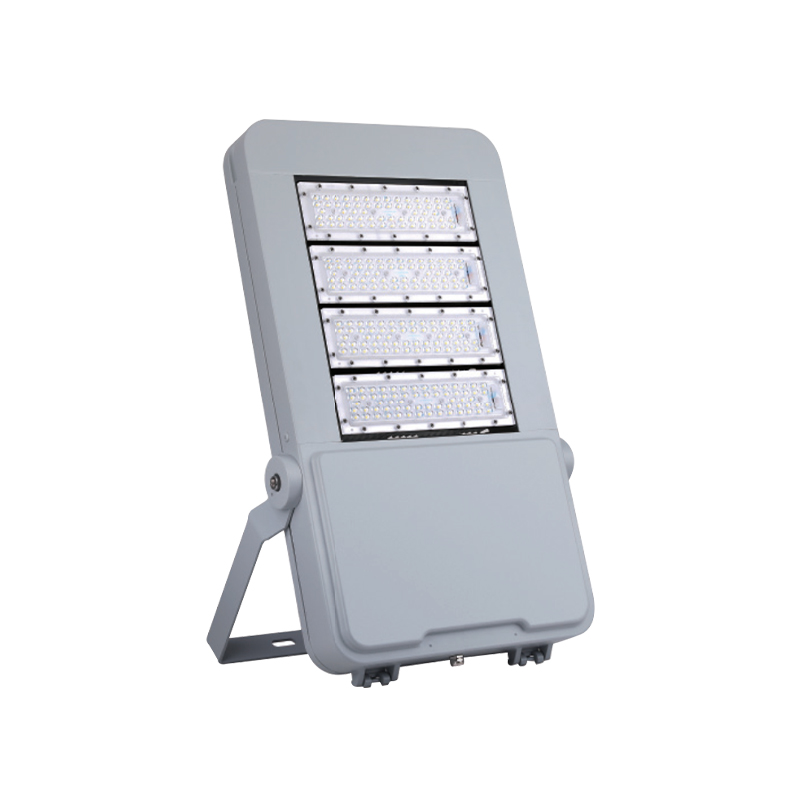 NOVA FLOOD Series Modular LED Flood Light, 30W to 300WThe modular design with tool-free gear compartment access simplifies on-site maintenance and allows flexible configuration of one to six LED modules, aligning with the article's focus on reducing replacement frequency and service costs.View Product →
Why Modular LED Flood Lights Cut Lifetime Costs
Driver failure, not LED chip degradation, sets the service interval of an outdoor LED flood light.
LED modules carry L70 ratings of 50,000 to 100,000 hours, which means luminous flux stays above 70 percent of the initial value for that period. Drivers follow a different failure curve: typical service life is 30,000 to 50,000 hours under continuous outdoor operation. A fixture rated for 100,000 hours will almost certainly need at least one driver replacement during its working life.
The repair bill shows the real difference. The comparison below assumes a flood light mounted 12 meters high on a pole or wall.
| Cost item | Modular flood light | Integrated flood light |
| Driver replacement part | 40 USD | 120 USD |
| Labor per fixture | 25 USD | 95 USD |
| Access platform hire | 0 USD | 160 USD |
| Lighting downtime | 40 minutes | 4 to 6 hours |
| Total per failure | about 65 USD | about 375 USD |
The gap comes from access and labor, not from the electronics themselves. Over a 10-year period, a 100-fixture site with one driver failure per 50 fixtures per year expects about 20 driver events; at 310 USD difference per event, that is roughly 6,200 USD of avoidable cost. Dingrui's engineering note on the key benefits of energy-saving LED flood lights shows the consumption side of the same trade-off in detail.
How Optics Extend the Use of a Modular LED Flood Light
Beam optics decide whether a flood light performs on a warehouse facade, a parking area, a sports field or a tunnel wall, and interchangeable optics let the same housing serve all four.
Narrow 10- to 20-degree optics produce accent lighting for columns and architectural details. Medium 30- to 60-degree optics suit parking courts and walkways. Wide 70- to 120-degree optics spread light evenly across yards and loading aprons. An asymmetric distribution throws light lengthwise along a road or tunnel with almost no spill to the sides.
With a true modular fixture, a change of area use does not require a new luminaire. Relocate the housing, install a different optic, and the beam pattern changes without rewiring. The Guardian flood series, rated IP66 and IK08 from 60 W to 400 W, works this way in practice: the die-cast housing protects the driver and LED modules, while the optic is selected at installation for sports grounds, facades or security perimeters. Sports-field installations also benefit from the asymmetric optic: light is directed over the field boundary while back-spill toward spectators stays below 10 percent of the field average.
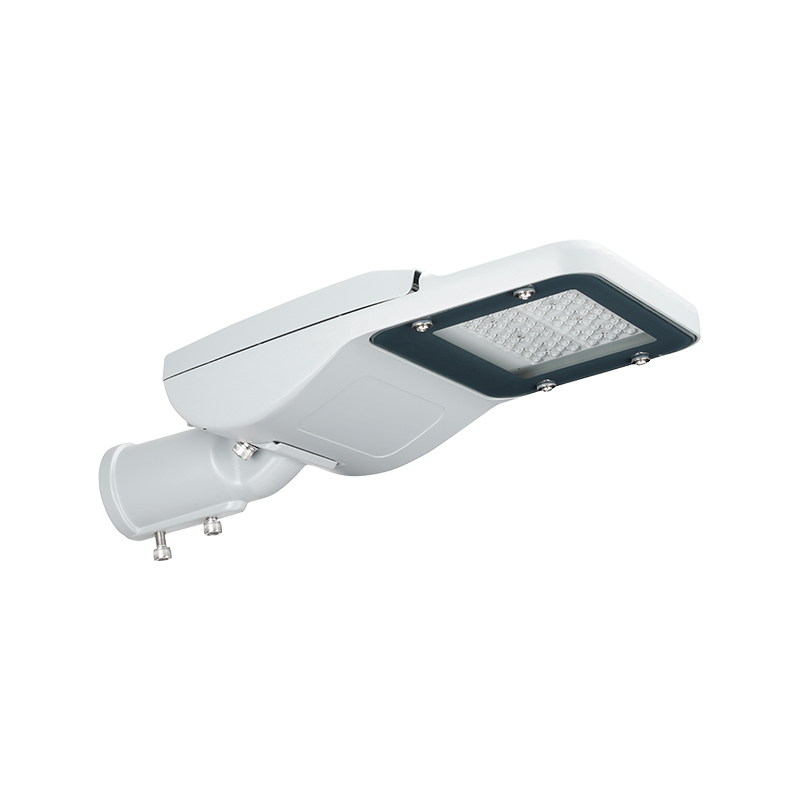
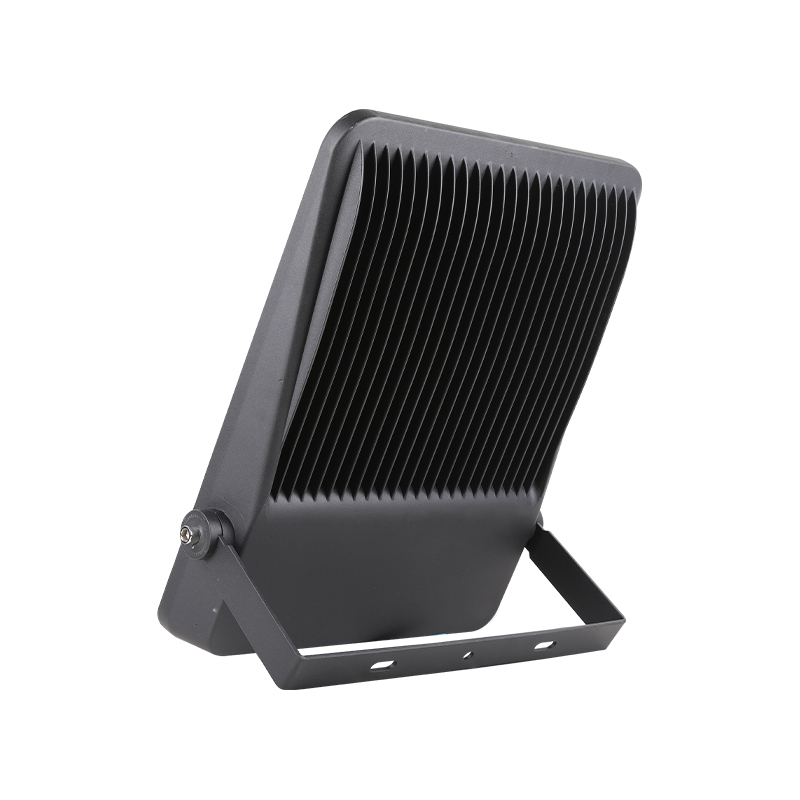 GUARDIAN Series IP66 IK08 LED Flood Light, 60W to 400WThis fixture supports interchangeable optics for sports, facade, or security lighting, and its asymmetric distribution limits back-spill to under 10 percent, matching the need for adaptable, low-glare floodlighting.View Product →
For tunnel work, the Spark series - 30 W to 120 W, IP66 and IK08 - is designed with asymmetric photometry. In a tunnel, repairing a sealed fixture means closing a lane. A modular tunnel light allows the optical unit to be replaced in minutes, which keeps traffic moving and reduces disruption cost.
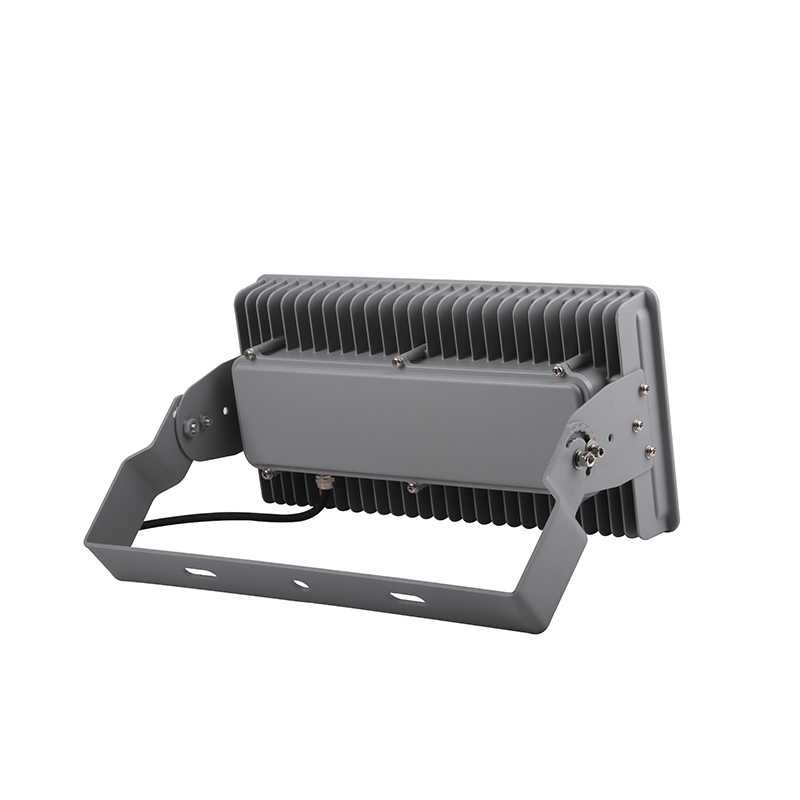 SPARK Series IP66 IK08 LED Tunnel Light, 30W to 120WWith asymmetric photometry and quick optical unit replacement, this tunnel light minimizes lane closures during maintenance, directly addressing the article's point about reducing disruption in tunnel operations.View Product →
- Burned driver means full luminaire replacement.
- Wrong beam angle means purchasing a new fixture.
- Spare parts are tied to one SKU and one production batch.
- Failed driver module is swapped in minutes.
- Beam angle changes with a new optic module.
- One housing accepts many LED and driver options.
Energy and Service Data from a Modular LED Flood Light Retrofit
A 20-fixture retrofit on a loading dock shows a 68 percent drop in connected load when modular LED flood lights replace 400 W metal-halide fixtures.
Twenty 400 W metal-halide lamps draw 8.0 kW plus roughly 1.2 kW of ballast losses, for a total of 9.2 kW. Twenty 150 W modular LED flood lights with 18,000 lm per fixture at 120 lm/W draw exactly 3.0 kW. At 4,000 operating hours per year the difference is 24.8 MWh per year. At 0.12 USD per kWh, that is about 2,976 USD of annual savings. With an average fixture price of 180 USD and installation labor of 950 USD, the retrofit pays back in roughly 2.3 years.
The service-time numbers in the chart assume one technician, standard hand tools and no special lifting equipment. The ratio between modular and integrated service time holds across different market labor rates.
Procurement Checklist for Modular LED Flood Lights
Five checks separate a genuinely modular LED flood light from a fixture that only uses the word on its datasheet.
- Verify the IP seal survives module swaps. Ask the manufacturer how many driver-module replacement cycles the gasket design tolerates while retaining IP66.
- Check driver compartment thermal headroom. In hot climates the driver case temperature should sit at least 10 deg C below its data-sheet maximum.
- Confirm the optic is a separate part. Ask whether a change from a 30-degree to a 90-degree beam uses the same LED module and housing.
- Ask for IES or LDT files for every optic option. Photometric curves reveal the real distribution; the datasheet summary does not.
- Confirm spare-module availability and warranty. A useful warranty covers five years on drivers and optics and ten years on the housing, with a documented spare-module supply period.
Before writing the tender, compare the module platforms inside a modular LED flood light product line to confirm the spare-part strategy and the delivery lead times match your maintenance schedule.
Frequently Asked Questions on Modular LED Flood Lights
What is the service life of a modular LED flood light?
The LED engine is typically rated L70 at 100,000 hours. The driver is the limiting component at roughly 50,000 hours. In a modular design the driver module is replaced as a plug-in unit, so the housing and LED modules continue working through a second or third driver cycle.
Can the beam angle be changed after installation?
Yes, in a true modular flood light. The optic is a serviceable component, so a 30-degree spot can become a 90-degree wide distribution without rewiring. Confirm with the manufacturer that the optic is field-replaceable and preserves the IP rating after reassembly.
Do modular flood lights cost more upfront?
First cost is usually 5 to 10 percent higher than a conventional sealed fixture. Total cost of ownership is lower because the per-failure cost table shows roughly 300 USD per driver failure; one avoided full replacement covers the price premium twice over.
What IP and IK ratings should I specify for outdoor use?
For wall, pole and yard mounting, specify IP66 and IK08 or better. Tunnel interiors and vehicle corridors need IK10-rated bodies. In a documented modular design, the rating holds after module replacement because the seal is a replaceable part of the service procedure.


 Add.: Jiepai Town, Danyang City, Jiangsu Province, China.
 Tel: +86-0510-86219899
 Phone: +86-18601236320
 Email:
