 +86-0510-86219899

 English
 English
 русский
 Español

Content
A street light that fails two rainy seasons after installation almost never fails because of the LED chip. It fails because water found a path into the housing, corroded a driver terminal, and quietly shorted the circuit. That is why, when procurement teams compare waterproof LED street lights, the ingress protection rating deserves the same scrutiny as wattage and lumen output. The short answer for most road projects: treat IP66 as the baseline for exposed road lighting, verify how the seal is engineered instead of trusting the number alone, and reserve IP65 for sheltered installations where the budget has to stretch further.
What the IP Code Actually Measures
The IP code defined in IEC 60529 carries two digits. The first describes protection against solids and dust; the second describes protection against water. On street light datasheets the first digit is almost always 6, meaning dust-tight, so the second digit is where quotations genuinely differ, and where the procurement risk sits.
| Rating | Water Test Behind the Number | Practical Meaning for a Street Light |
|---|---|---|
| IP65 | Low-pressure jets (6.3 mm nozzle, about 6.3 L/min) from any direction | Acceptable for sheltered residential streets, covered parking areas and mild climates |
| IP66 | Powerful jets (12.5 mm nozzle, about 100 L/min at 100 kPa) from any direction | Baseline for exposed arterial roads, highways and coastal wind-driven rain |
| IP67 | Still-water immersion at 1 m depth for 30 minutes | Relevant for flood-prone or low-mounted installations; does not guarantee jet resistance |
| IP68 | Continuous immersion under conditions defined by the manufacturer | Niche; mainly for submerged or in-ground luminaires, rarely for pole-top road lighting |
One point trips up many buyers: IP67 sounds stronger than IP66, but the two tests measure different things. An immersion test in still water does not automatically imply better resistance to pressurized jets, and luminaires certified for both are less common than datasheets suggest. For pole-mounted road lighting, IP66 remains the most defensible specification.
Where Water Actually Gets Into a Street Light
Waterproofing is not a single gasket; it is a system of details that either holds together or does not. In field returns across the industry, water ingress traces back to a handful of predictable points:
- Housing joints and gaskets. Repeated thermal cycling compresses and hardens low-grade foam seals, while silicone gaskets hold their elasticity far longer.
- Cable entries. The gland is where most field failures begin. An unsealed entry, a gland matched to the wrong cable diameter, or a missing sealing washer on the cover will leak under wind-driven rain.
- Pressure differentials. A sealed housing that is hot at midday cools rapidly at night, and the falling internal pressure draws moist air through any microscopic gap. Condensation follows. Well-engineered housings answer this with a pressure-equalizing breather or a controlled drain channel.
- Driver compartment. A separately sealed driver chamber keeps the most expensive component dry even if the optical chamber ever takes in moisture.
- Cover fasteners. Screw torque and sealing washers are small details, but inconsistent assembly across a volume order shows up later as scattered warranty claims.
When you evaluate a supplier, ask how each of these points is engineered rather than only which IP number appears on the datasheet.
Matching Protection Levels to Real Installation Environments
The right rating depends less on the product and more on where the pole stands. The grid below condenses the decisions our engineering team makes most often with project buyers.
Waterproof LED Street Light Configurations Worth Shortlisting
Within our full LED street light range, three configurations cover the majority of waterproofing scenarios our project buyers ask about.
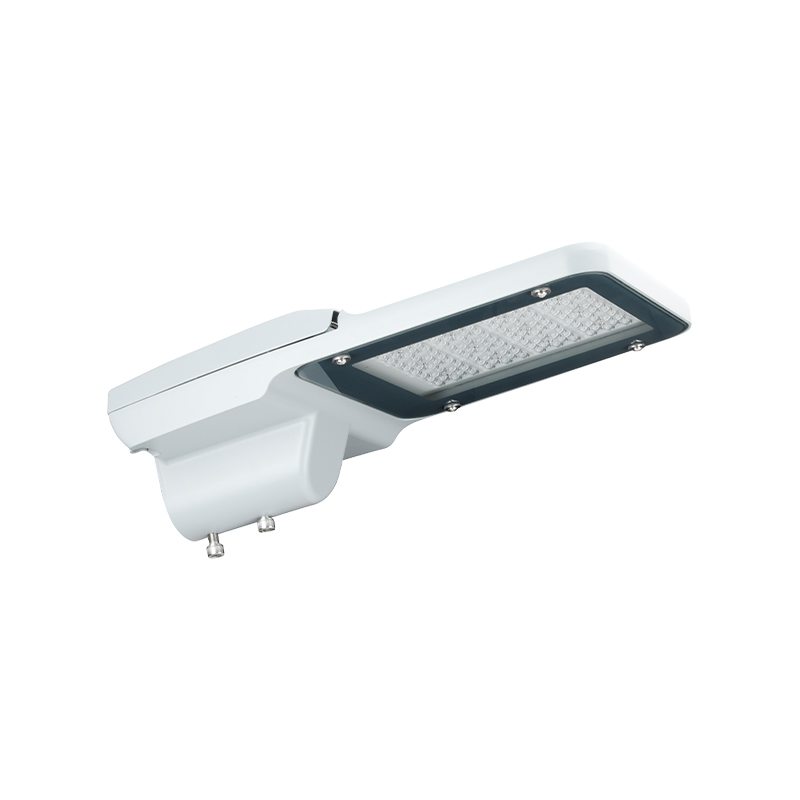
For arterial roads and highways, the Atlantic Series delivers high lumen output from 100W to 300W inside a sealed IP66 die-cast housing built for continuous outdoor exposure.
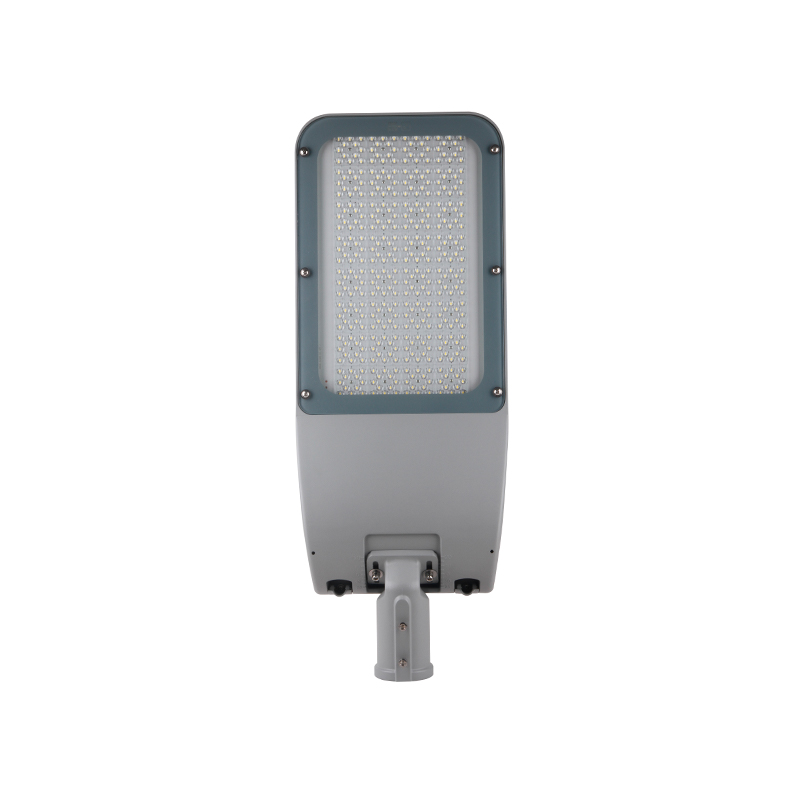 Atlantic Series High Power LED Street Light 100W-300WWith 100W to 300W output in an IP66 die-cast aluminum housing, the Atlantic Series suits arterial roads and highways that need continuous high-output lighting and dependable outdoor durability.View Product →
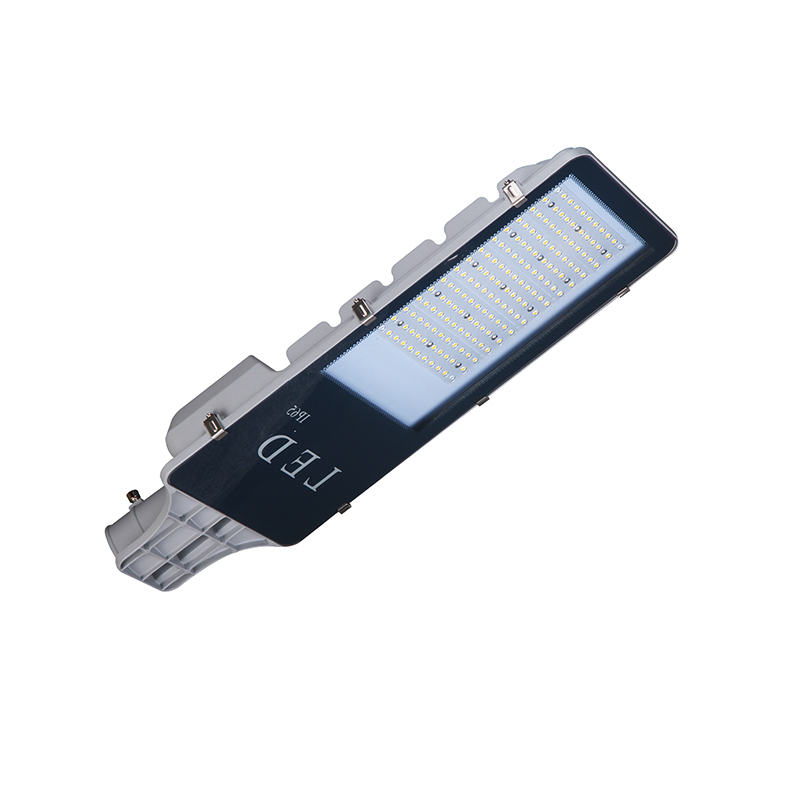
Where impact risk and long-term serviceability drive the decision, the Nova Series combines IP66 sealing with an IK10 rating and a modular engine, so a failed component can be replaced on the pole instead of scrapping the whole luminaire.
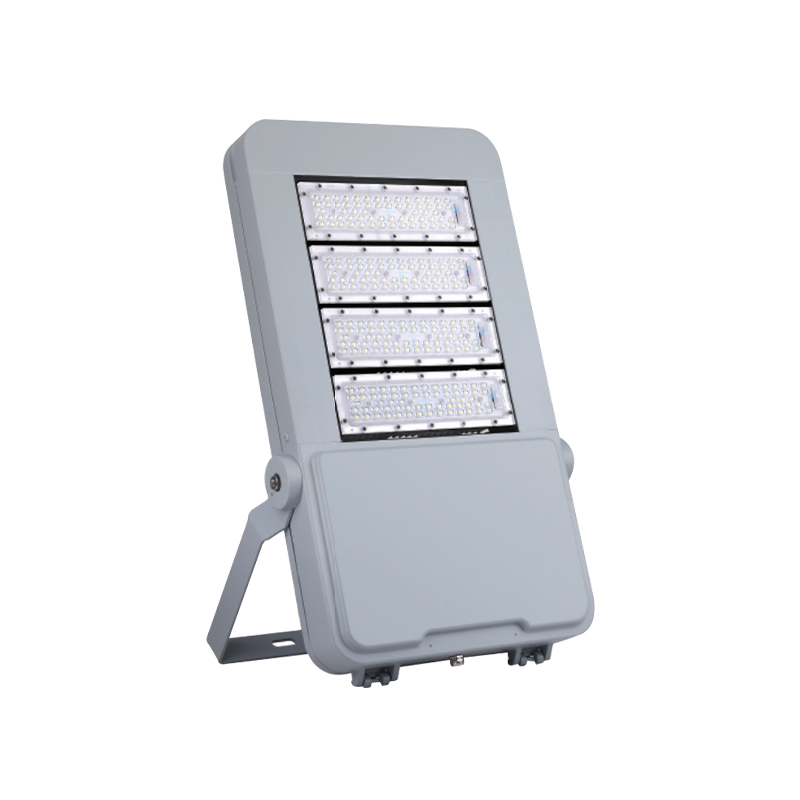 NOVA Series Modular LED Street Light 30W-300WThe NOVA Series pairs IP66 sealing with an IK10 rating and a modular LED engine, allowing failed components to be replaced on the pole and supporting one to six module configurations.View Product →
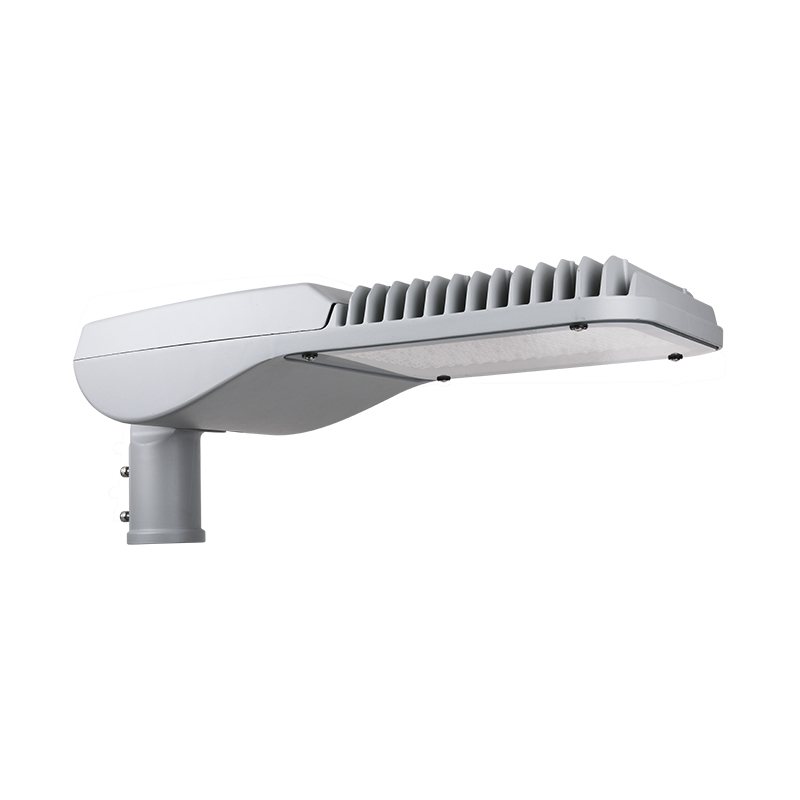
For exposed coastal corridors where water and mechanical impact arrive together, the Savanna Series pairs IK09 impact resistance with IP66 waterproofing in a dedicated weather-resistant design.
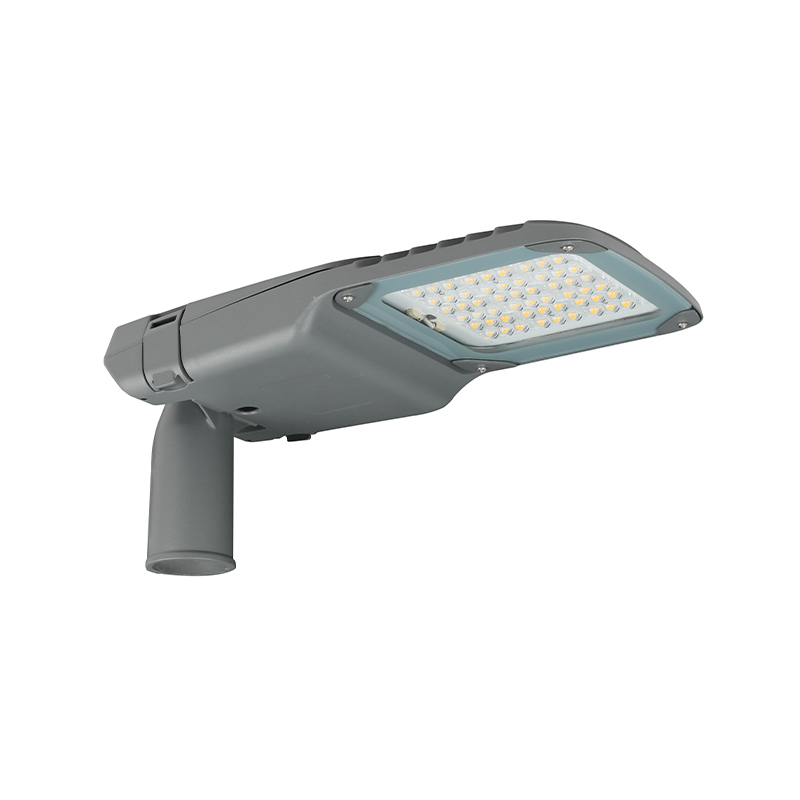 Savanna Series IK09 IP66 LED Street LightsBuilt for exposed coastal corridors, the Savanna Series combines IK09 impact resistance with IP66 waterproofing, plus tool-free buckles and adjustable spigot angle for easier installation.View Product →
Specifications to Verify Before You Sign the Purchase Order
Waterproofing is one column of the specification sheet, but it interacts with everything else on it. Before committing to a bulk order, confirm the following:
- Efficacy under real conditions. Modern road luminaires reach 120-180 lm/W; verify how the figure was measured and review the key efficiency metrics for urban street lighting before comparing payback periods.
- Impact rating alongside IP. IK08 to IK10 tells you whether the housing survives vandalism, branch strikes and routine maintenance handling.
- Surge protection. Lightning-prone regions need protection rated at 10 kV or higher, because a sealed luminaire that survives water but not a voltage spike still ends up on a claim form.
- Housing material and coating. High-pressure die-cast aluminum with a suitable surface treatment is the reference standard, and coastal projects should confirm salt-spray resistance explicitly.
- Test documentation. Ask for IP test reports and confirm whether every unit passes waterproof testing on the production line; batch sampling alone leaves room for escapes.
Frequently Asked Questions
Is IP65 sufficient for a street light in a heavy-rain region?
For standard-height residential and collector roads away from the coast, IP65 handles most rainfall events. Choose IP66 whenever wind-driven rain, high-pressure washing or salt exposure is part of the picture.
Why does an IP66-rated luminaire still show condensation inside?
Brief condensation that clears during operation usually reflects normal pressure breathing, not a leak. Persistent droplets or pooling water indicate a sealing defect, and the housing should be inspected for gasket compression or a faulty cable gland.
How is waterproofing actually tested during production?
Design verification uses the jet and immersion tests of IEC 60529, while production units are checked with in-line water spray or immersion tests. Reputable manufacturers document both stages and can provide reports on request.
Does a higher IP rating reduce heat dissipation or efficiency?
No. Sealed road luminaires dissipate heat through the aluminum body itself rather than through vents. A properly engineered die-cast housing maintains full output, which is how IP66 designs still reach 120-180 lm/W.


 Add.: Jiepai Town, Danyang City, Jiangsu Province, China.
 Tel: +86-0510-86219899
 Phone: +86-18601236320
 Email: