 +86-0510-86219899

 English
 English
 русский
 Español

Content
- 1 Why IP66 and IK Ratings Matter for Flood Lights
- 2 Evaluating Modular Design and Heat Dissipation
- 3 Wattage Selection and Luminous Efficacy Guidelines
- 4 Build Quality and Housing Materials
- 5 Optical Control and Glare Reduction
- 6 Comparing Commercial Flood Light Options
- 7 Final Purchase Considerations and Supplier Qualification
When a project spec calls for reliable overnight illumination-whether on a building facade, a loading dock, a sports court, or a tunnel entrance-the LED flood light is often the first fixture specified. But not all flood lights are built to survive outdoor conditions. Before you commit to a purchase order, there are specific engineering tolerances, housing materials, and optical designs that separate a five-year fixture from a one-season failure. This guide focuses on the critical specifications to evaluate, the protection ratings that actually matter, and how to match wattage to the real-world application.
Why IP66 and IK Ratings Matter for Flood Lights
The two most important numbers on an outdoor LED flood light datasheet are often the Ingress Protection (IP) rating and the Impact Protection (IK) rating. They tell you exactly what environmental abuse the housing can handle, and they are non-negotiable for commercial and industrial installations.
| Rating | Protection Level | Typical Application |
| IP65 | Dust-tight, low-pressure water jets | Eaves, sheltered building perimeters |
| IP66 | Dust-tight, powerful water jets | Facades, uncovered areas, washdown zones |
| IK08 | 5 joules impact resistance | Public walkways, standard commercial zones |
| IK10 | 20 joules impact resistance | Parking garages, industrial yards, high-vandalism areas |
When you are evaluating a product line, do not assume that high wattage means high durability. A fixture with an IP20 rating might work fine indoors, but it has no business on an exterior wall. Verify the specific IP and IK codes on the spec sheet, not just in the marketing description.
Evaluating Modular Design and Heat Dissipation
The physical construction of an LED flood light is the first thing to inspect if you have a sample in hand. A die-cast aluminum housing is the industry standard, but how the internal modules are arranged makes a big difference in long-term light output and maintenance cost.
A modular design means the LED light engine, driver, and optics are separate components that can be replaced individually. This is a significant advantage over monolithic fixtures where a single LED failure can render the whole unit useless. If you are buying in bulk for a multi-building site, modular construction simplifies spare parts inventory and reduces the total cost of ownership over a 10-year cycle.
The Role of Heat Sinks in Lumen Maintenance
Heat is the primary enemy of LED longevity. As junction temperature rises, lumen output drops and the color temperature shifts. A high-grade aluminum heat sink with properly designed fins provides a large surface area for passive cooling, which is far more reliable than any active cooling system with fans. Passive cooling keeps the fixture silent, reduces failure points, and maintains a stable correlated color temperature over thousands of hours.
Wattage Selection and Luminous Efficacy Guidelines
Choosing the correct wattage is a balance between light levels, energy codes, and pole or mounting arm weight limits. For flood lighting, the required wattage depends on the mounting height and the desired lux level at ground level. Higher is not always better-an oversized light can cause glare and light trespass, while an undersized light creates safety hazards.
Here is a practical starting point for typical flood light applications:
Accent lighting on signs, small garden features, or residential building perimeters.
Building facades up to 8 meters, parking lot perimeters, pedestrian pathways.
Loading docks, medium-sized sports courts, large billboards, industrial yards.
High-mast areas, expansive storage yards, and major facade illumination.
Luminous efficacy is the metric to check for energy efficiency. It is measured in lumens per watt (lm/W). A higher number means more visible light for every dollar spent on electricity. Current high-performing flood lights typically boast 120 lm/W to 180 lm/W, depending on the LED chip quality and optic design. Do not just compare wattage; compare the total lumen output against the power consumption to see the real energy cost.
Build Quality and Housing Materials
The housing of a flood light is its first defense against moisture, corrosion, and physical stress. For coastal installations or industrial environments with airborne chemicals, the material cannot be an afterthought.
High-pressure aluminum die-casting is the preferred method for making durable, lightweight housings. It allows for complex internal fin structures that improve heat dissipation without adding excessive weight to a mounting bracket. Look for fixtures that specifically mention this manufacturing process. A powder-coated finish adds an extra layer of resistance to salt spray and UV degradation, which is critical if the fixture will be exposed to direct sunlight for years.
When examining a product line like the Guardian series, which offers IP66 and IK08 protection across 60W to 400W, the housing design is engineered for uniform heat distribution. This is a sign that the manufacturer has considered the product life cycle, not just the initial brightness. For more demanding environments, check whether the fixture has an IK10 rating, which aligns with the high-strength requirements of industrial facilities and public infrastructure.
Optical Control and Glare Reduction
Flood lights are often criticized for creating glare, which reduces visibility and can cause discomfort for pedestrians and drivers. The optical design-specifically the reflector and lens angle-dictates how light is distributed.
For a building wash, a wide beam angle around 90 to 120 degrees is suitable. For a sports field or a high-mast application, a narrower beam angle (e.g., 30 to 60 degrees) is needed to project light over a long distance and create a concentrated pool of illumination. An adjustable mounting bracket allows you to aim the light precisely and reduce wasted light. Look for fixtures that offer beam angle options or come with interchangeable optics, a common feature in the Nova series modular LED flood lights.
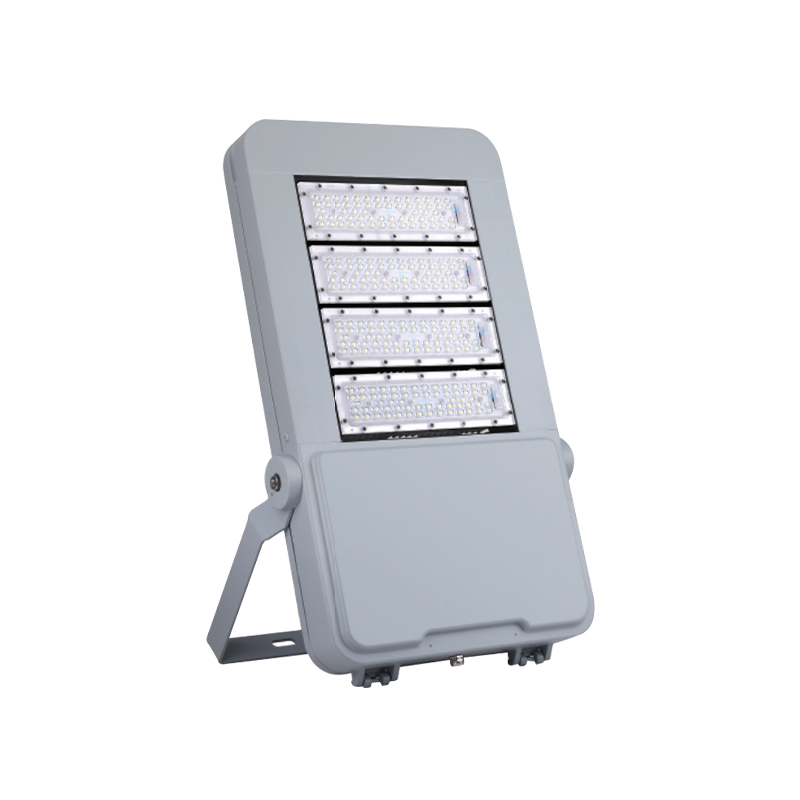
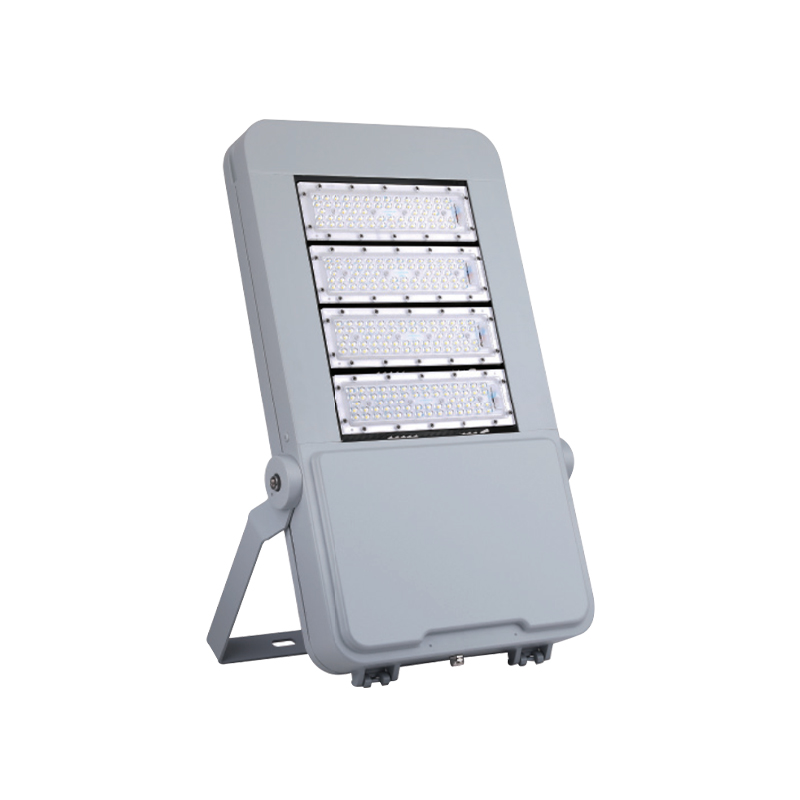 Custom 30w-300w modular Design NOVA FLOOD Series LED Flood Light Manufacturer, FJiangsu Dingrui Lighting Technology Co., Ltd. is a China Custom 30w-300w modular Design NOVA FLOOD Series LED Flood Light Manufacturer an...View Product →
Comparing Commercial Flood Light Options
When you are evaluating a purchase, it helps to compare specific series against a set of criteria: wattage range, protection rating, and special applications. The current market offers several strong options, but you need to filter them by your project constraints.
| Series | Wattage Range | Protection | Ideal Use Case |
| Nova Flood | 30W-300W | IP66 / IK08 | Modular design, general area lighting |
| Guardian Flood | 60W-400W | IP66 / IK08 | High-power safety zones, industrial perimeters |
| Spark Tunnel | 30W-120W | IP66 / IK08 | Tunnel entrances and interior zones |
If your project focuses on perimeter security and needs high lumen output in a compact form, the Guardian series IP66 IK08 LED flood light is built to handle continuous operation in exposed locations. Its large wattage range gives you flexibility to match the exact photometric requirements of the site.
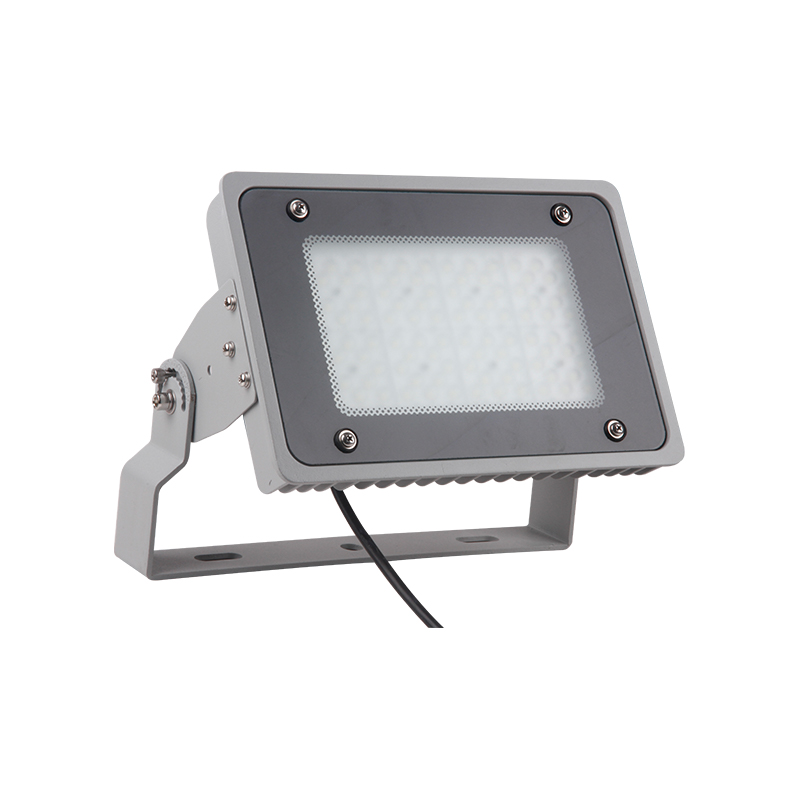
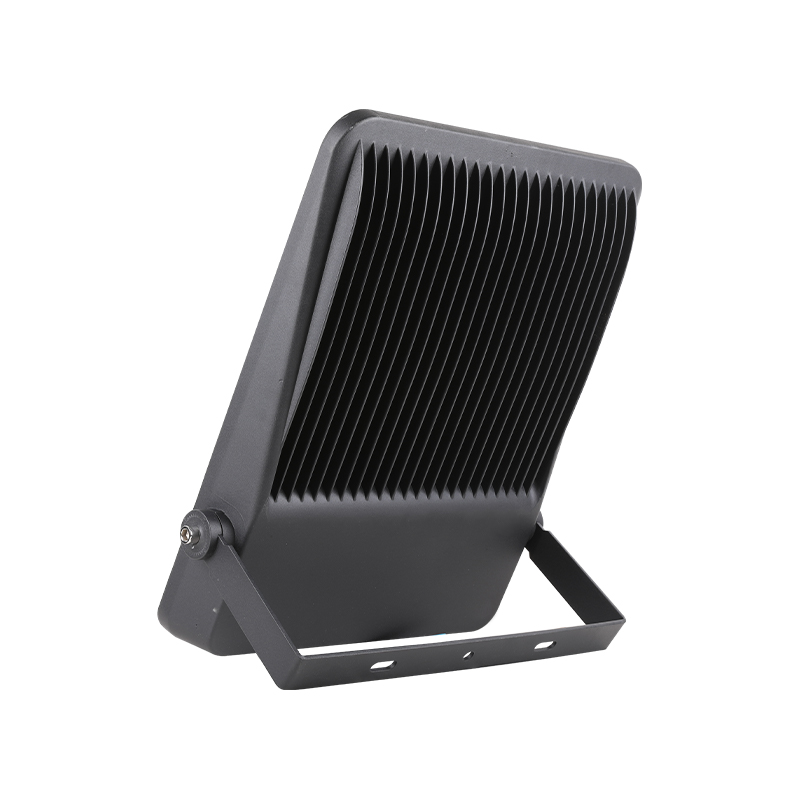 Custom 60w-400w IP66 IK08 GUARDIAN Series LED Flood Light Manufacturer, FactoryJiangsu Dingrui Lighting Technology Co., Ltd. is a China Custom 60w-400w IP66 IK08 GUARDIAN Series LED Flood Light Manufacturer and OEM/O...View Product →
For projects involving road underpasses or short tunnels, the Spark series IP66 IK08 tunnel light is specifically engineered for those confined spaces where maintenance access is difficult, making its durability and lifespan crucial factors.
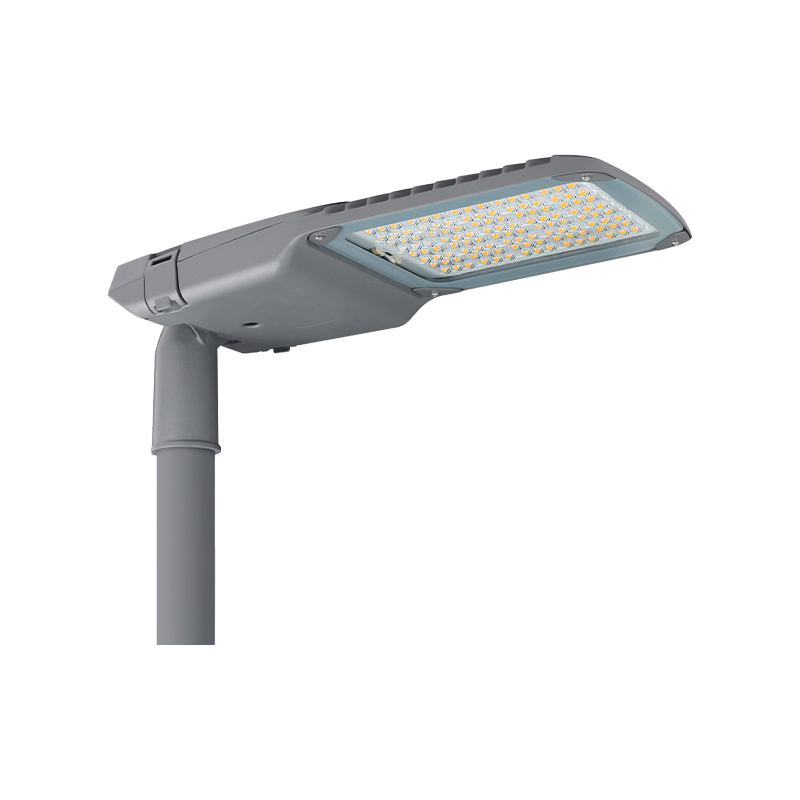
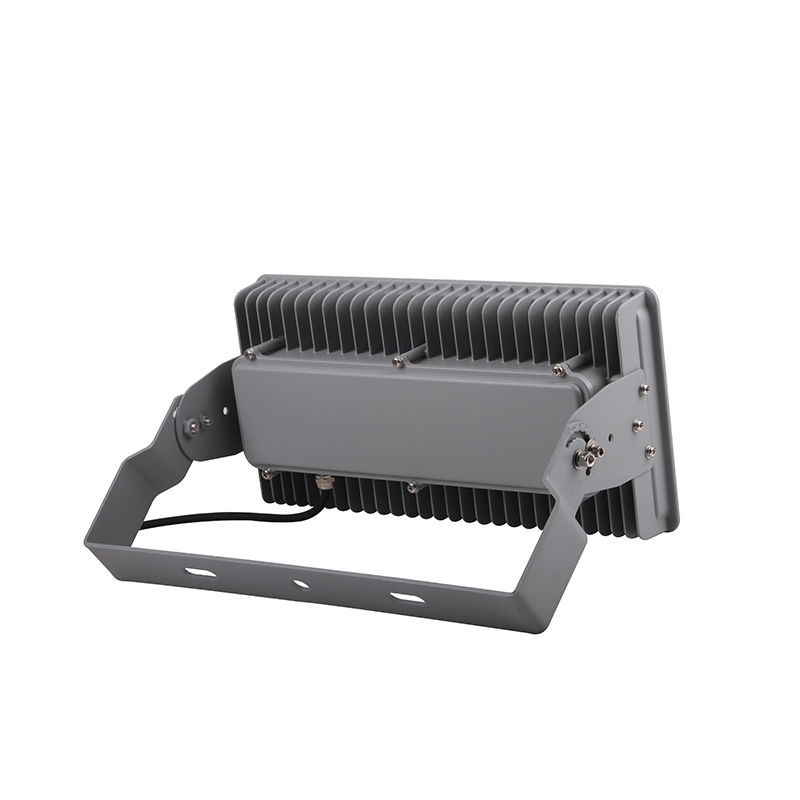 Custom IP66 IK08 30w-120w SPARK Series LED Tunnel Light Manufacturer, FactoryJiangsu Dingrui Lighting Technology Co., Ltd. is a China Custom IP66 IK08 30w-120w SPARK Series LED Tunnel Light Manufacturer and OEM/ODM...View Product →
Here is a more detailed comparison for a quick sanity check before contacting a supplier:
- Application: Ask yourself if the fixture is for a building facade, a security perimeter, or a tunnel zone. The photometric requirements are different.
- Mounting Height: This directly impacts the required beam angle and wattage. A 3-meter wall needs far less power than a 15-meter pole.
- Environmental Exposure: Consider proximity to salt water, chemical washdown, and hurricane force winds. The IP and IK ratings must match these conditions.
- Voltage Availability: Check if the site has a standard line voltage or a higher industrial voltage. The fixture driver must be compatible.
Final Purchase Considerations and Supplier Qualification
Beyond the fixture itself, the reliability of the supplier is as important as the initial cost. When sourcing from a manufacturer, verify their factory credentials and testing procedures. A reputable manufacturer will have documented test processes for optical performance, thermal stability, waterproofing, and life simulation.
Certifications are a baseline, not a differentiator. CE and RoHS compliance is generally expected for exports. ISO9001 certification indicates an established quality management system, and UL listing is a crucial requirement for the North American market. If you are buying from a supplier that claims these certifications, ask for the test reports to substantiate them.
Finally, consider the total cost of ownership, which includes energy bills, replacement parts, and maintenance labor. A fixture with a slightly higher upfront price but better thermal management and modular components will offer a better return on investment over 50,000 hours of rated life.
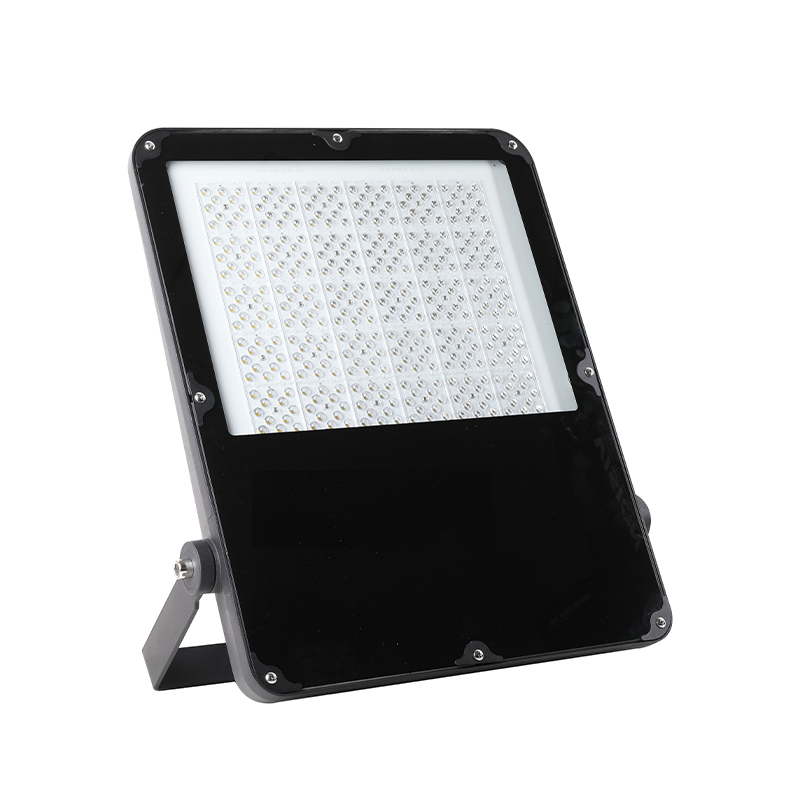


 Add.: Jiepai Town, Danyang City, Jiangsu Province, China.
 Tel: +86-0510-86219899
 Phone: +86-18601236320
 Email: