 +86-0510-86219899

 English
 English
 русский
 Español

Content
- 1 Why LED Street Luminaries Are the Optimal Choice
- 2 Energy Efficiency and Economic Implications
- 3 Optical Performance and Light Quality
- 4 Comparative Analysis: LED vs Traditional Technologies
- 5 Thermal Management and Structural Design
- 6 Integration with Smart City Infrastructure
- 7 Environmental Stewardship and Sustainability
Why LED Street Luminaries Are the Optimal Choice
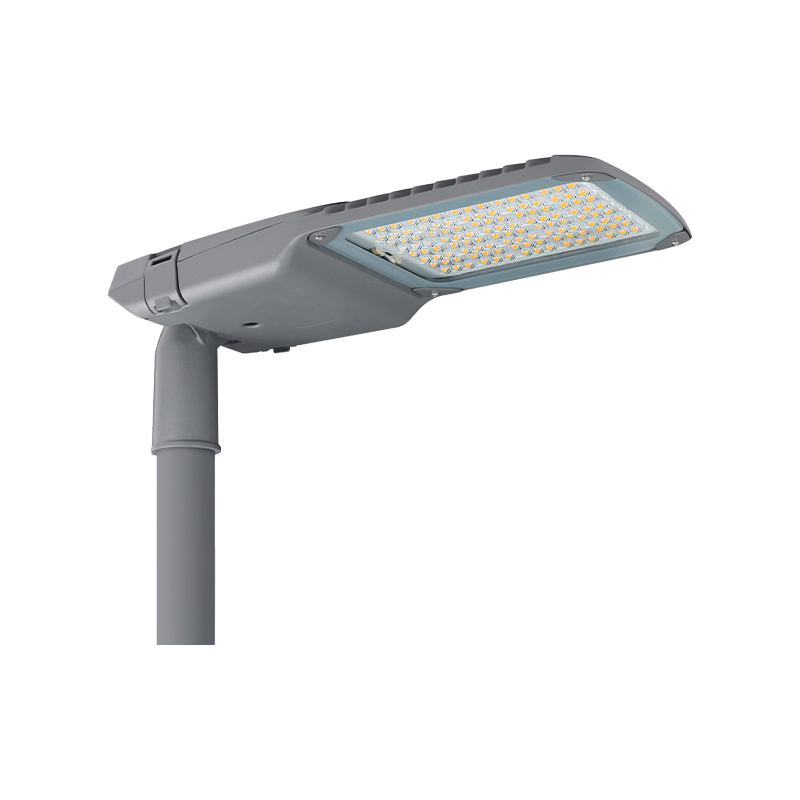
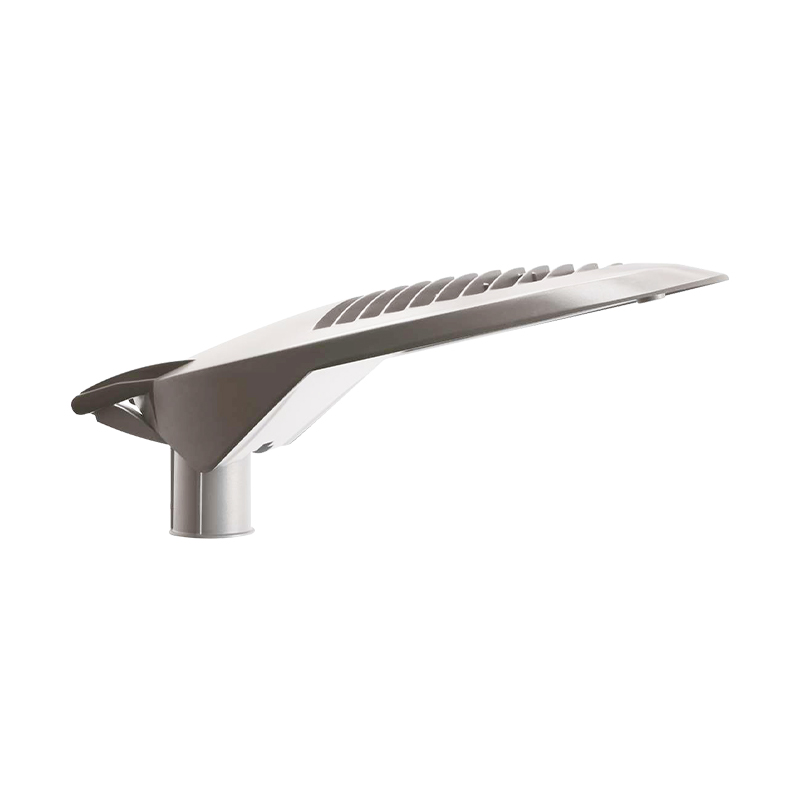
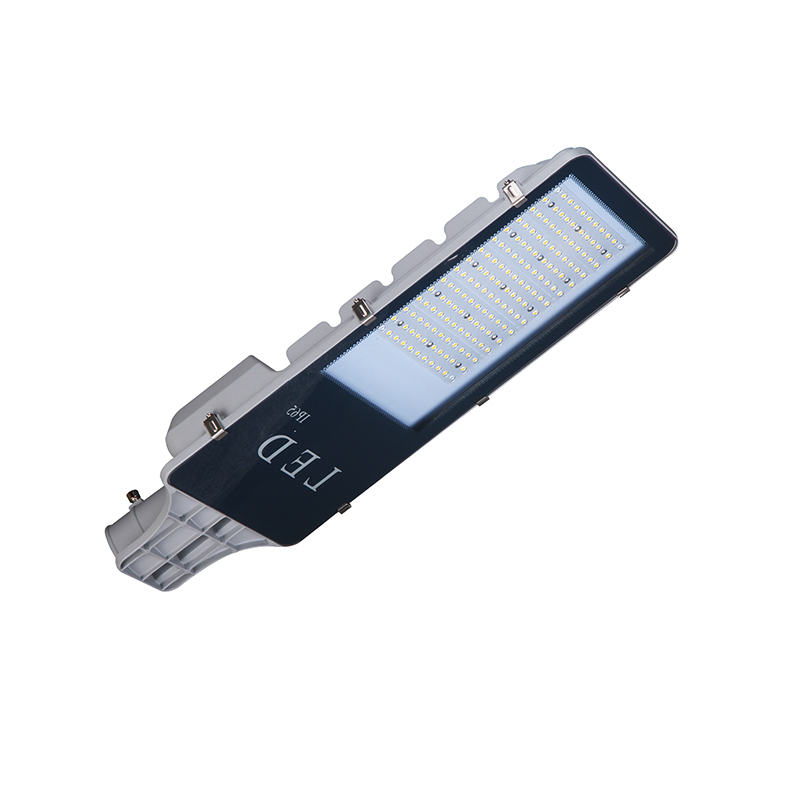
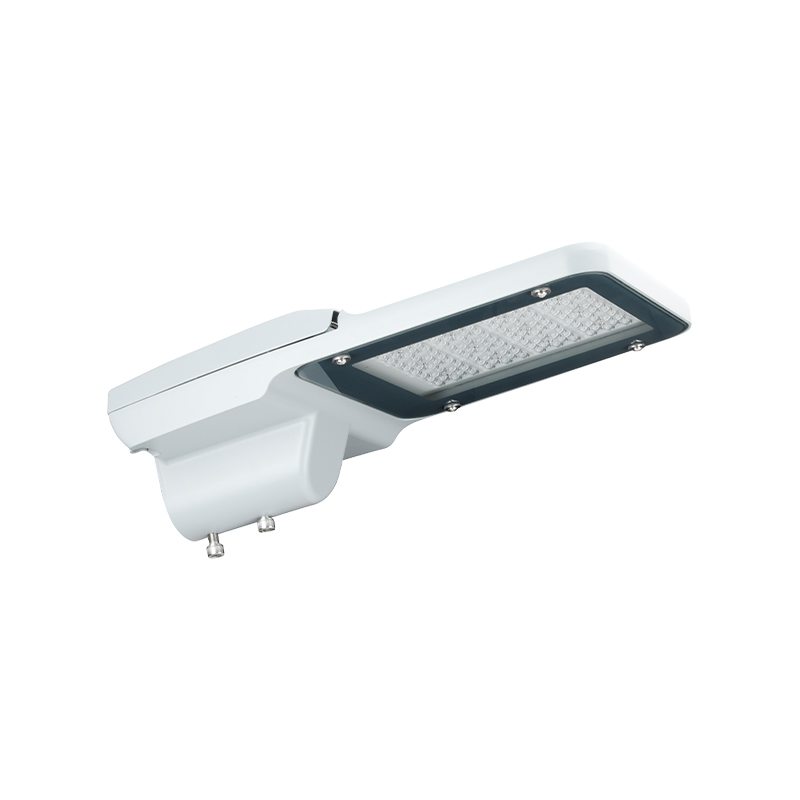
In the realm of modern public infrastructure, LED street luminaries stand as the undisputed superior solution for roadway and area lighting. Unlike traditional high-pressure sodium or metal halide technologies, LED technology offers a unique combination of drastic energy reduction, extended operational life, and precise optical control. For any municipality or development project aiming to balance budget constraints with environmental responsibility, transitioning to LED street lighting is not merely an option—it is the most practical and constructive long-term investment available today.
The shift is driven by more than just illumination; it is about creating safer, smarter, and more sustainable urban environments. The ability to integrate with smart control systems and the drastic reduction in maintenance costs make these luminaries the standard for future-ready cities.
Energy Efficiency and Economic Implications
The most immediate and compelling argument for LED street luminaries is their exceptional energy efficiency. Traditional lighting technologies, such as High-Pressure Sodium (HPS) lamps, suffer from significant energy loss due to heat generation and omnidirectional light emission. In contrast, LEDs are solid-state lighting devices that emit light in a specific direction, reducing the need for reflectors and diffusers that can trap light.
From an economic standpoint, the savings are substantial. While the initial investment for LED fixtures can be higher than traditional alternatives, the total cost of ownership is significantly lower. Operational costs are driven down by reducing power consumption by roughly half, and maintenance costs are slashed due to the long lifespan of the diodes. This financial efficiency makes LED solutions particularly attractive for large-scale municipal projects where budget allocation is critical.
Key Economic Benefit: The return on investment (ROI) for LED street lighting projects is typically realized within a few years, after which the infrastructure generates pure savings for the remainder of its 15 to 20-year lifespan.
Optical Performance and Light Quality
Beyond energy savings, the quality of light produced by LED street luminaries enhances public safety and visual comfort. Traditional streetlights often render colors poorly, resulting in a "gray" visual environment that makes it hard to distinguish objects at night. LEDs, however, provide a high Color Rendering Index (CRI), allowing drivers and pedestrians to see colors more naturally and clearly.
Precision Optics
One of the distinct advantages of LED technology is the ability to engineer precise optical systems. Unlike the circular glow of older lamps, LED fixtures use lenses to direct light exactly where it is needed—onto the road surface and sidewalks—while minimizing light trespass into homes or the night sky. This ability to control "light pollution" is increasingly important in modern urban planning.
- Reduced glare for drivers
- Uniform light distribution
- Targeted illumination patterns
- Improved visibility in adverse weather
Comparative Analysis: LED vs Traditional Technologies
To fully appreciate the technological leap, it is helpful to compare the key performance metrics of LED street luminaries against conventional High-Pressure Sodium (HPS) fixtures. The contrast in efficiency, maintenance, and environmental impact highlights why the industry has shifted so decisively.
| Feature | High-Pressure Sodium (HPS) | LED Street Luminaries |
|---|---|---|
| Energy Consumption | High (Baseline) | 40% - 60% Lower |
| Lifespan | Approx. 24,000 Hours | 50,000 - 100,000 Hours |
| Color Rendering | Poor (Yellow/Orange) | Excellent (White Light) |
| Maintenance Frequency | Fquent Replacement | Rarely Required |
| Environmental Impact | Contains Mercury | No Hazardous Materials |
Thermal Management and Structural Design
A critical aspect of LED street luminaries that is often overlooked is thermal management. While LEDs are cool to the touch compared to incandescent bulbs, the semiconductor junction inside the chip generates heat. If this heat is not dissipated effectively, the lifespan and light output of the fixture will degrade rapidly. High-quality LED street lights are designed with sophisticated heat sink structures, typically made from die-cast aluminum, to passively dissipate heat into the ambient air.
Durability Standards
The structural design of these luminaries must withstand harsh outdoor environments. This includes resistance to vibration from passing traffic, extreme temperature fluctuations, and moisture ingress. When evaluating options, one should look for robust Ingress Protection (IP) ratings. A rating of IP65 or higher is standard for outdoor use, ensuring the fixture is dust-tight and protected against water jets.
- Essential Structural Features:
- Die-Cast Aluminum Housing: Provides structural integrity and acts as a heat sink.
- Tempered Glass Lens: Offers high impact resistance and maintains clarity over time.
- Stainless Steel Hardware: Prevents corrosion and ensures the fixture remains secure for years.
- IK Impact Rating: An IK08 or IK10 rating is vital to withstand vandalism and accidental impacts.
Integration with Smart City Infrastructure
LED street luminaries are the backbone of the "Smart City" revolution. Unlike older lighting technologies, LEDs can be instantaneously switched on and off or dimmed, making them perfect candidates for intelligent control systems. This controllability allows cities to implement adaptive lighting strategies that save even more energy and improve public services.
Smart drivers can be embedded into the fixtures, allowing for remote monitoring and control via wireless networks. This capability transforms a simple streetlight into a data node. For instance, lights can be programmed to dim to a certain percentage during low-traffic hours late at night and instantly brighten when motion sensors detect a vehicle or pedestrian. This not only saves energy but also reduces light pollution, benefiting local wildlife and residents.
Remote Management
Operators can identify faults in real-time without manual patrols, dispatching repair crews only when necessary.
Adaptive Dimming
Automatically adjusting light levels based on traffic flow or time of night maximizes energy conservation.
Environmental Stewardship and Sustainability
The environmental argument for LED street luminaries extends far beyond electricity savings. Traditional lighting often relies on high-intensity discharge lamps that contain hazardous materials like mercury. The disposal of these lamps requires special procedures to prevent environmental contamination. LEDs, being solid-state components, contain no such toxic substances, making them safer to manufacture, operate, and dispose of.
Furthermore, the longevity of LED luminaries means fewer replacements. This results in a drastic reduction in material waste sent to landfills. When combined with the lower energy demand, which reduces the strain on power plants and consequently lowers greenhouse gas emissions, LED street lighting becomes a pivotal element in any municipal sustainability plan.


 Add.: Jiepai Town, Danyang City, Jiangsu Province, China.
 Tel: +86-0510-86219899
 Phone: +86-18601236320
 Email: